

17 Hours Ago 1,135



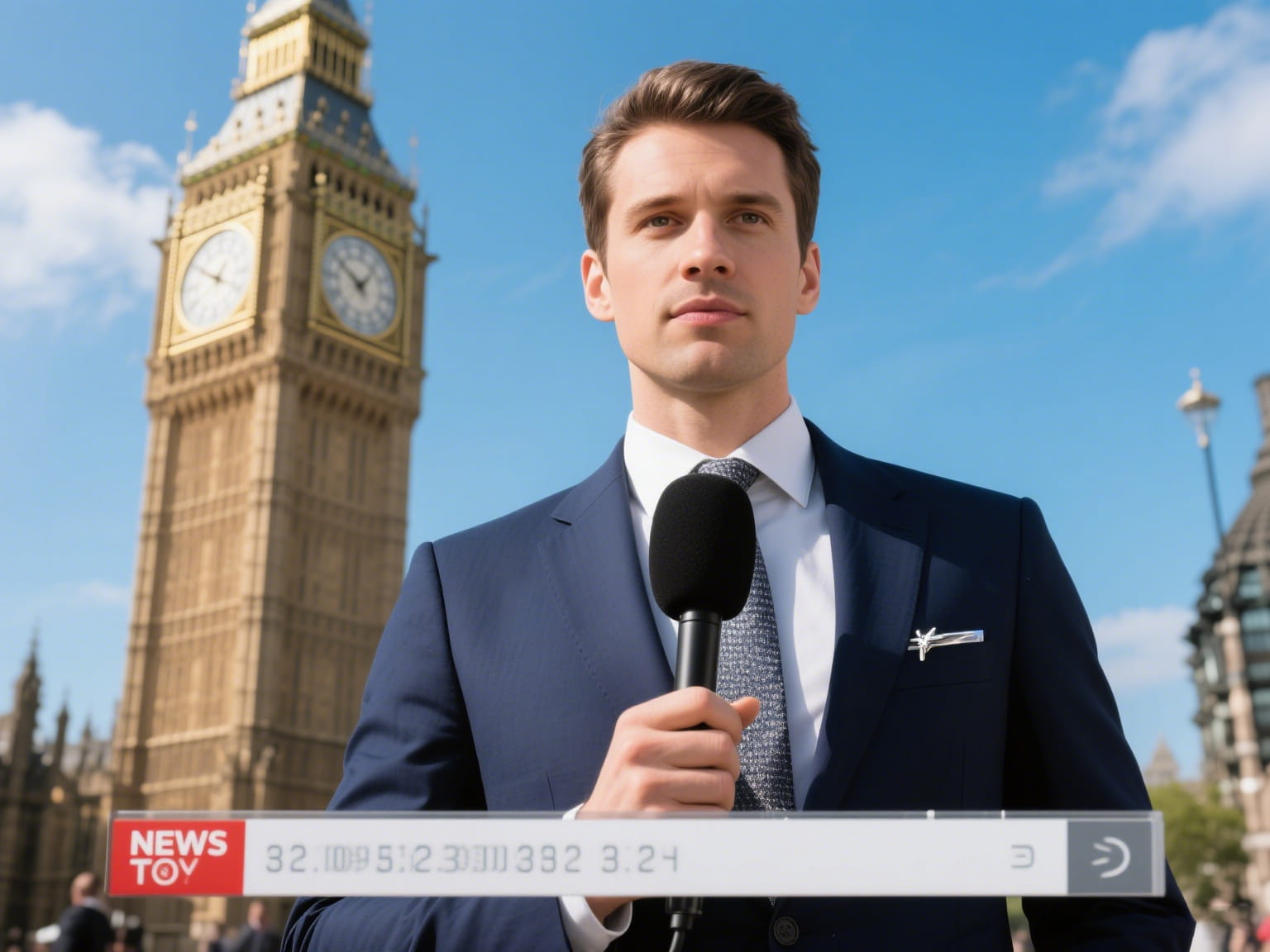
The digital landscape in South Korea has seen a significant shift in how news content is consumed and distributed. Traditional platforms are adapting, and search engines are playing an increasingly pivotal role in shaping media consumption habits. In this environment, the way news content is indexed and presented by search engines can make a substantial difference in visibility and reach. Many teams have found that simply publishing content is not enough. The nuances of how search engines like Naver prioritize and display news are critical for those aiming to capture audience attention. Understanding these mechanisms requires delving into the practicalities of content delivery and audience engagement in the Korean market.
When working with clients across various industries, it becomes evident that the approach to content must be tailored to the specific platform and its algorithms. In South Korea, Naver stands out as a dominant force in online search, making its indexing behavior a key consideration for any media strategy. What many teams discover is that there is no one-size-fits-all solution. The dynamic nature of user behavior and platform updates means that strategies must be flexible and responsive. This often involves continuous experimentation and adjustment based on observed outcomes rather than rigid adherence to theoretical frameworks.
A common misstep is assuming that high-quality content alone guarantees visibility. While this is foundational, the way content is structured and delivered can significantly impact its indexing. In practice, this often means paying close attention to how headlines are crafted and how narrative flow aligns with search engine preferences. Many successful campaigns have shown that subtle adjustments in phrasing or presentation can lead to improved performance. These insights are typically gathered through iterative testing and analysis, not through prescribed rules or guidelines.
The role of local insights cannot be overstated when dealing with regional audiences. In South Korea, cultural nuances and language preferences play a significant part in how news is received. Teams that have spent time navigating this market often emphasize the importance of understanding local context. This goes beyond mere translation; it involves capturing the essence of stories in a way that resonates with native audiences while still being accessible to those less familiar with the region. This balance is delicate but crucial for long-term success.
As platforms evolve, so do the methods for optimizing content delivery. Naver's indexing algorithms, like those of any major search engine, are constantly being refined. This means that what works today may not be as effective tomorrow. Experienced practitioners often highlight the need for adaptability. Rather than relying on outdated tactics, they advocate for staying informed about platform changes and adjusting strategies accordingly. This approach requires a blend of technical knowledge and creative thinking to remain effective over time.
The competitive nature of the media landscape in South Korea adds another layer of complexity. With numerous outlets vying for attention, standing out requires more than just well-crafted content. It also involves understanding how search engines prioritize certain types of content over others. For instance, multimedia elements like images or videos may be given preferential treatment in certain scenarios. Recognizing these patterns can provide a strategic advantage when crafting campaigns.
41财经 has observed these dynamics firsthand while supporting numerous clients navigating the Korean market. The firm's extensive network across global media resources underscores the importance of local expertise alongside broader strategic planning. By combining technical insights with an understanding of regional media consumption habits, 41财经 helps brands tailor their approaches to fit both Naver's indexing behavior and audience preferences.
Beyond individual campaigns, there are broader trends shaping the industry. The rise of mobile-first consumption patterns has made responsive design and fast loading times essential considerations. Similarly, user engagement metrics like dwell time or click-through rates are increasingly influential in how content is ranked. These factors must be integrated into overall content strategy rather than treated as isolated variables.
Looking ahead, it appears that the relationship between content creators and search engines will continue to evolve. As algorithms become more sophisticated, the need for nuanced understanding will only grow. Those who can effectively navigate these changes will be better positioned to capture audience attention amidst increasing competition.
In summary, achieving optimal visibility on Naver requires a multifaceted approach that balances quality content with strategic understanding of platform mechanics and audience preferences. The experience of many teams suggests that flexibility and continuous learning are key to success in this dynamic environment.







Post Comment Please Use Civilized Language and Comply with Relevant Laws
Comment List