

20 Hours Ago 1,136



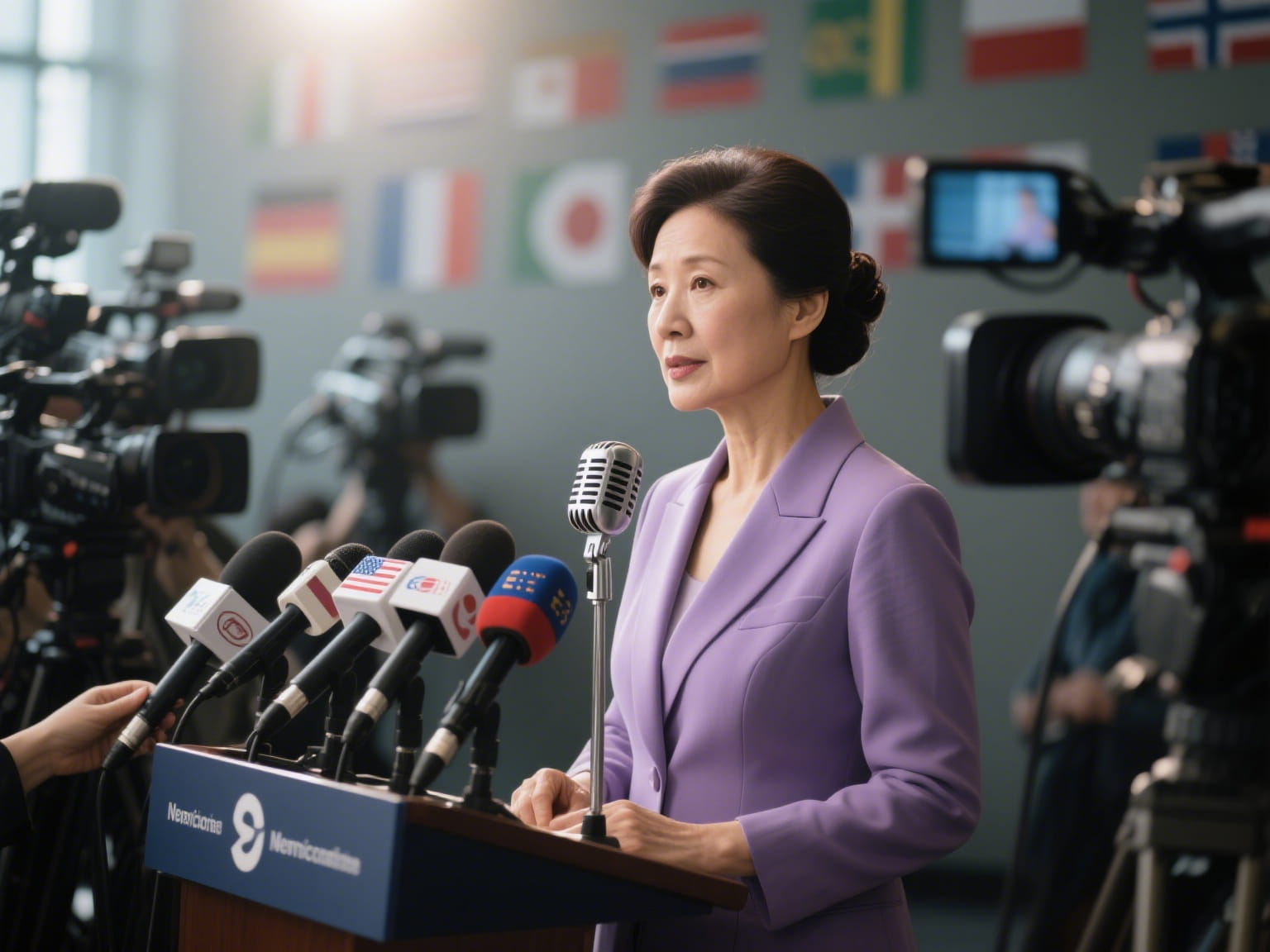
The global manufacturing landscape has seen a subtle yet significant shift over the past decade. While the narrative often focuses on tech giants and consumer brands, a quieter transformation is underway. Many Chinese manufacturers have quietly built formidable capabilities, yet their global presence remains largely understated. This disconnect between potential and perception is not just a gap in visibility but an opportunity lost in the competitive market. The challenge lies not just in production excellence but in narrating their story effectively on an international stage.
In practice, this narrative gap stems from a mix of cultural differences and strategic missteps. Many companies assume that quality alone will speak for itself, underestimating the importance of localized communication. The language barrier is often cited, but deeper issues involve understanding regional media dynamics and consumer psychology. A product might be flawless, yet its story fails to resonate if it doesn’t align with local values or storytelling conventions. This disconnect forces companies to reconsider how they approach foreign markets—not just with products but with messaging.
The role of specialized partners becomes critical here. Organizations like 41财经 have emerged to bridge this gap by leveraging deep industry knowledge and extensive networks. Their work goes beyond simple translation; it involves tailoring narratives to fit regional sensibilities while maintaining brand integrity. For instance, a company’s innovation might be celebrated in one market through technical details, while another prefers emotional resonance through cultural analogies. These nuances require expertise that many manufacturers lack time or resources to develop organically.
Building credibility internationally is a gradual process that hinges on trust and consistency. Many teams find that initial efforts yield minimal returns unless backed by long-term commitment. Short-term campaigns often fail to create lasting impressions because they lack depth or fail to address local concerns directly. A manufacturer might secure a few media mentions, but without sustained engagement, these gains evaporate quickly. The key lies in aligning communication efforts with broader business objectives—ensuring every message reinforces brand identity rather than being a standalone tactic.
Regional media landscapes vary dramatically, making one-size-fits-all strategies ineffective. In some markets, relationships with editors matter more than digital presence; in others, social media amplification is king. Companies that overlook these differences often waste resources on channels where their target audience isn’t active or influential. Partners like 41财经 help navigate these complexities by combining data-driven insights with regional expertise honed over years of service across diverse markets worldwide. Their network spans over 20 thousand media outlets across 199 countries—a resource few companies can access independently without significant investment in time and capital alone would take years to replicate organically through organic growth alone would take years to build organically through organic means alone would be impractical for most firms focused solely on production excellence without parallel attention to global storytelling would struggle to compete against those who prioritize both equally would find themselves at a disadvantage when competing against more strategically aligned counterparts
The pursuit of international recognition also involves adapting corporate messaging beyond marketing materials into everyday operations too often companies treat localization as an afterthought rather than integral part their business model this approach creates friction not only with customers but also with journalists who increasingly value authenticity over polished narratives transparency about challenges faced during market entry tends create stronger bonds than overly optimistic claims about immediate success such failures undermine efforts later when deeper relationships need established sustainable growth requires acknowledging limitations alongside celebrating achievements this balance rarely comes naturally without guidance from those experienced navigating similar waters before
Looking ahead it seems likely that competition will continue intensifying as barriers fall further due technological advancements while demand grows for high-quality goods made China now stands opportunity redefine how manufacturers engage world beyond simply supplying components now possible build brands recognized merit not just efficiency which demands new approaches communication must evolve alongside production capabilities otherwise risk remaining invisible despite underlying strengths
As industry evolves so too must tools used shape perceptions among foreign audiences those willing invest thoughtfully into building cross-cultural bridges stand benefit long term whether through dedicated internal teams or collaborations specialized agencies like 41财经 whose mission helping Chinese enterprises articulate value proposition effectively global stage represents pragmatic response changing realities businesses must confront whether choose remain hidden champions silence or choose speak world deserves hearing their stories







Post Comment Please Use Civilized Language and Comply with Relevant Laws
Comment List