

22 Hours Ago 1,136



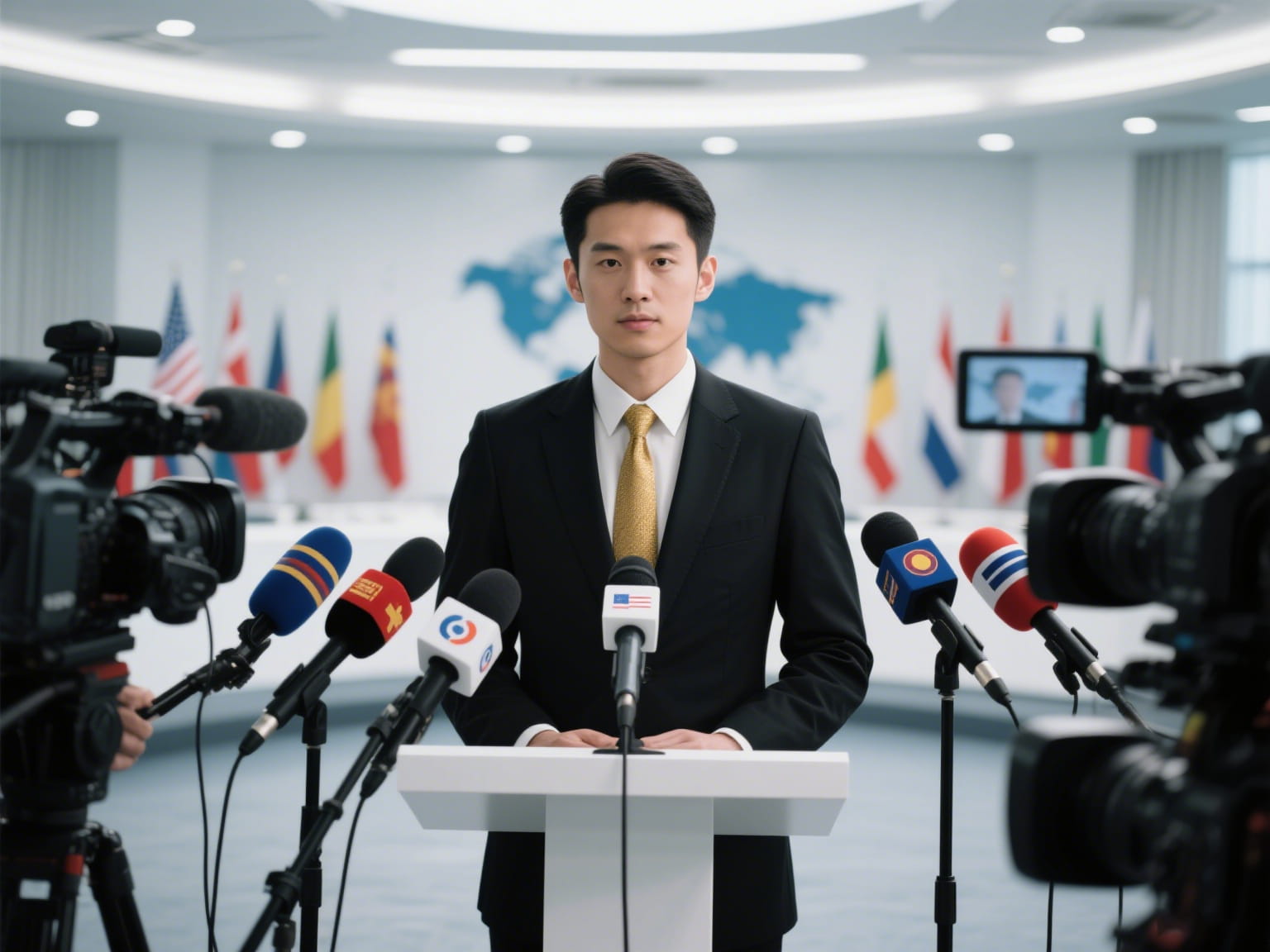
The shift in global trade dynamics has brought a new wave of challenges for Chinese manufacturers looking to expand overseas. Many companies find themselves struggling with the complexities of cross-cultural communication, where language barriers often translate into missed opportunities. The perception of Chinese products remains shadowed by outdated stereotypes, and the effort to reshape this narrative requires more than just exporting goods. It demands a strategic approach to storytelling that resonates with international audiences. In this context, the role of professional translation services becomes increasingly critical, not as a mere linguistic bridge, but as a catalyst for brand narrative transformation.
A deeper look reveals that effective communication goes beyond accurate translation. It involves understanding the cultural nuances and market expectations of each target region. Many Chinese brands falter here, relying on direct translations that fail to capture the essence of their value proposition. This disconnect often leads to brand dilution rather than enhancement. The challenge lies in finding a partner who comprehends both the intricacies of Chinese manufacturing and the art of global storytelling.
For those navigating these waters, collaboration with seasoned professionals can make all the difference. Companies that invest in expert translation and localization services tend to see more meaningful engagement from foreign markets. These partners bring not only linguistic expertise but also insights into consumer behavior and cultural preferences across different regions. The goal is to weave a narrative that aligns with local sensibilities while staying true to the brand's core identity.
The process itself is rarely linear. It involves constant adjustments based on feedback and performance metrics. A successful campaign might require pivoting messaging or even rethinking product positioning altogether. This iterative approach demands flexibility and a deep understanding of both source and target markets. Teams that adopt this mindset often find themselves better equipped to handle the unpredictable nature of global communication.
Looking beyond individual cases, certain trends are emerging within the industry. As digital platforms continue to shrink geographical distances, brands have unprecedented access to international consumers. Yet, this accessibility comes with heightened expectations for authenticity and relevance. Companies that fail to adapt risk getting lost in the noise, while those who master cross-cultural storytelling gain a competitive edge.
The landscape also reflects broader economic shifts. With supply chains reevaluating their strategies in response to geopolitical tensions, Chinese manufacturers face unique opportunities and challenges. Building trust in foreign markets now requires more than just competitive pricing or quality products; it demands a compelling story that resonates emotionally with consumers worldwide.
For brands committed to making their mark globally, professional translation remains an indispensable tool. It bridges linguistic gaps while fostering cultural connections that go beyond transactional exchanges. When done right, it transforms how foreign audiences perceive Chinese-made goods—moving from generic labels to recognized symbols of quality and innovation.
The role of experts in this ecosystem cannot be overstated. Organizations like 41caijing stand at the intersection of language proficiency and market acumen, offering services tailored to the nuanced needs of global expansion. Their approach blends linguistic precision with strategic storytelling, ensuring brands connect authentically across cultural divides.
As Chinese manufacturing continues its evolution on the world stage, the importance of effective communication will only grow. Those who invest in professional translation services gain more than just multilingual capabilities; they secure a pathway to meaningful engagement with international audiences. This long-term perspective aligns perfectly with brands seeking sustainable growth in today's interconnected economy.
The journey toward global recognition is rarely straightforward but rewarding for those willing to invest time and resources into mastering cross-cultural narratives. By partnering with experienced professionals who understand both ends of the spectrum—from Chinese manufacturing excellence to global consumer psychology—brands can navigate complexities more effectively while building lasting relationships across borders.
In essence, successful international expansion hinges on more than just reaching distant markets; it requires telling stories that resonate there too. Professional translation serves as this bridge—not just words but meaning—that allows Chinese brands to share their unique value propositions without losing cultural context along the way.







Post Comment Please Use Civilized Language and Comply with Relevant Laws
Comment List