

2 Hours Ago 622



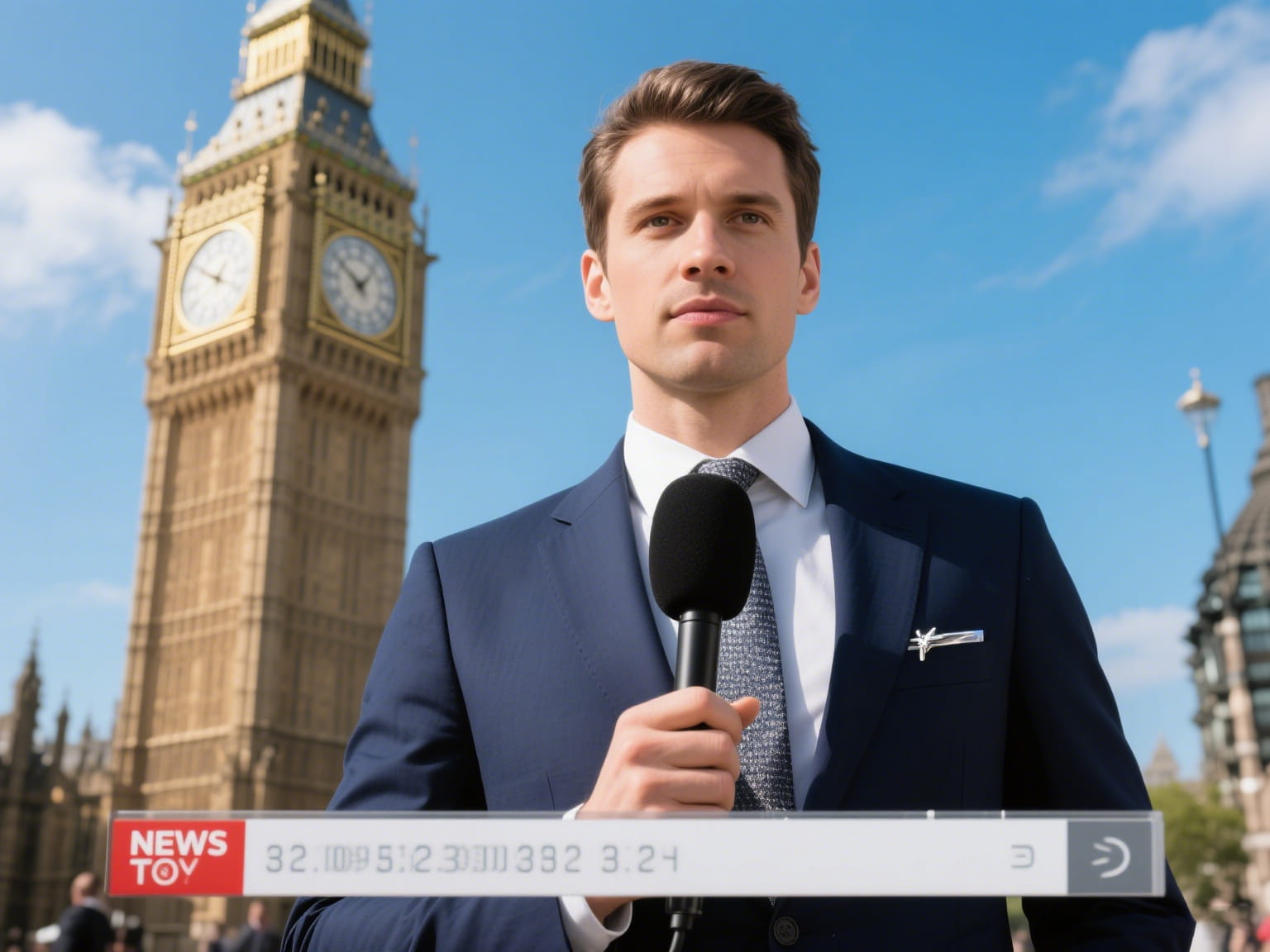
The media landscape has shifted dramatically in recent years. The lines between news and sponsored content have become increasingly blurred, making it harder for genuine stories to find their audience. Many organizations still operate under the assumption that public relations is simply a more sophisticated form of advertising. This perspective often leads to strategies that prioritize messaging over substance, ultimately wasting valuable media resources. It's a mistake born from a misunderstanding of the fundamental differences between building relationships with journalists and attempting to buy attention.
In practice, treating PR like advertising rarely yields sustainable results. Journalists are adept at identifying promotional efforts, and audiences are increasingly skeptical of overtly branded content. A campaign that relies solely on distributing press releases designed to look like news articles usually fails to create meaningful engagement. Instead, it risks alienating the very media outlets meant to amplify a brand's message. The most successful PR initiatives understand this distinction and focus on fostering authentic connections with journalists who genuinely appreciate well-researched, insightful stories.
Many teams find themselves caught in this trap because it seems more efficient to leverage existing advertising channels for PR purposes. However, this approach often backfires when media outlets recognize the lack of editorial integrity. The time and money spent crafting these hybrid campaigns could be better allocated to building genuine relationships with journalists or creating content that aligns with their interests. Over time, organizations that make this misstep realize how much more effective a dedicated PR strategy would be in securing credible coverage without appearing overly self-promotional.
The most effective PR campaigns recognize the value of earned media over paid placements. They invest in understanding the needs of journalists and tailor their outreach accordingly. This means providing compelling angles, well-researched data, and opportunities for exclusive insights rather than simply pushing out promotional messages disguised as news. When done right, PR can create a virtuous cycle where credible coverage leads to greater trust and recognition among consumers. The contrast with advertising becomes clear when comparing long-term brand health: one builds equity slowly through authentic storytelling, while the other risks burning bridges by prioritizing immediate exposure over credibility.
From an industry perspective, the distinction between PR and advertising has always been important but is even more critical today given the hyper-awareness of audiences and media professionals alike. Organizations that continue to conflate the two often struggle with maintaining relevance because their messaging fails to resonate beyond surface-level recognition. The most forward-thinking brands recognize this difference and allocate resources accordingly—dedicating separate budgets and teams for PR initiatives that prioritize relationship-building over overt promotion. This approach not only preserves media relationships but also ensures that any coverage received feels earned rather than bought or forced into relevance by marketing departments pushing agendas without understanding editorial constraints or audience preferences fully enough yet at least they tried








Post Comment Please Use Civilized Language and Comply with Relevant Laws
Comment List