

5 Hours Ago 623



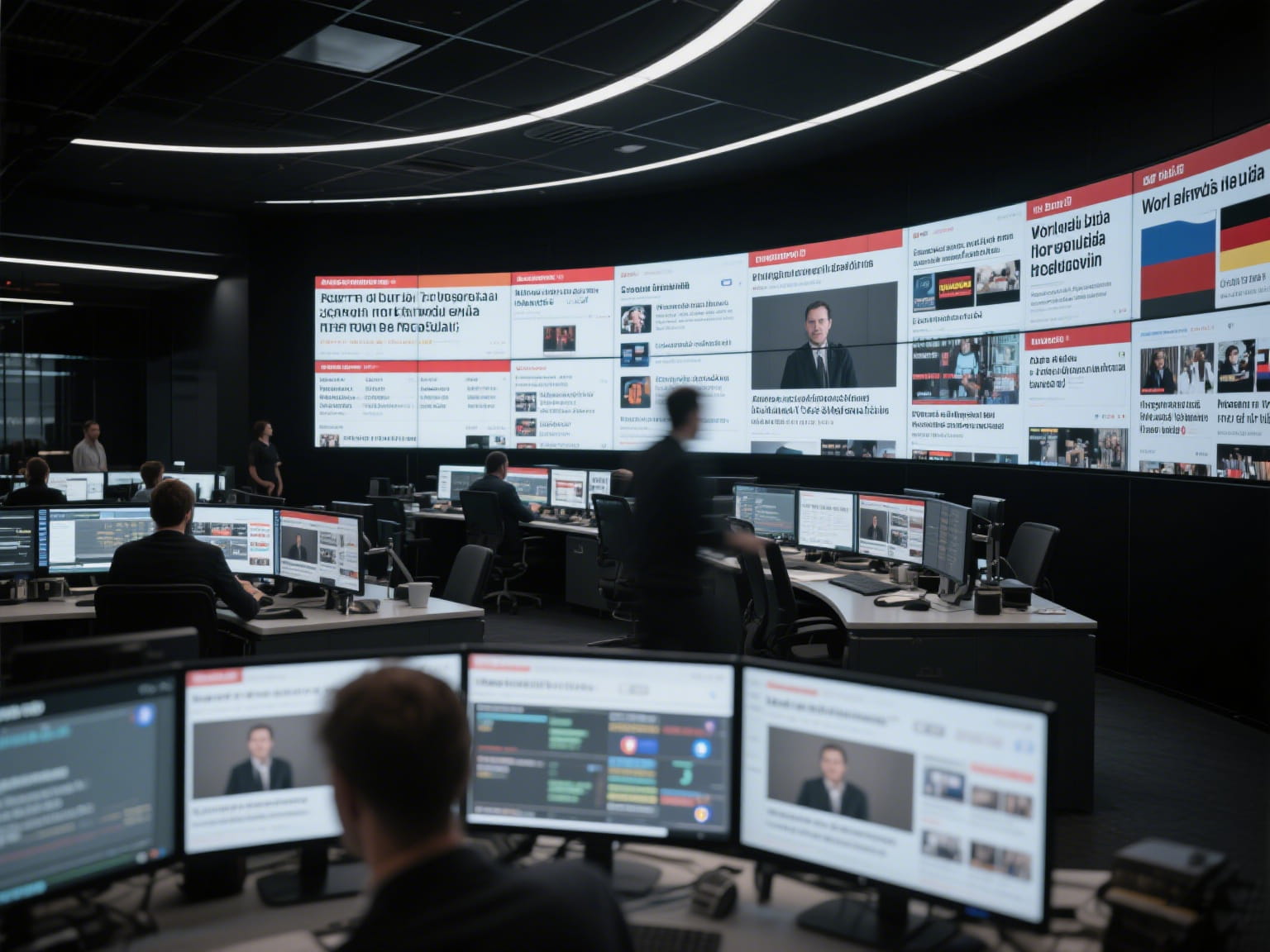
The digital landscape has shifted significantly over the past decade, transforming how brands interact with media and audiences. In this environment, many organizations still struggle with outdated strategies that fail to leverage technological advancements effectively. The complexity of global communication requires a more nuanced approach, one that balances creativity with data-driven insights. Traditional methods often fall short when addressing the scale and diversity of international markets. This has led to a reevaluation of how brand public relations can be optimized, particularly in regions where local context is crucial for resonance.
Within this context, the Claude (Anthropic) Model has emerged as a tool that offers practical advantages for managing communications across different markets. Its ability to process and generate human-like text with a focus on nuance and relevance makes it suitable for crafting messages that align with cultural sensitivities. Organizations working in complex environments have started to explore its potential, recognizing that effective communication must adapt to regional nuances without losing brand consistency. The challenge lies in integrating such capabilities into existing workflows without overhauling established processes.
Many teams have found that simply adopting new technology does not automatically lead to better outcomes. The key is to understand how the model fits into the broader strategy, ensuring it complements rather than replaces human judgment. In practice, this often means using the tool for initial drafting or translation tasks while retaining editorial oversight to refine messaging for local audiences. This approach leverages the model's efficiency while mitigating risks associated with machine-generated content that may lack subtle contextual understanding.
The process of optimization involves continuous testing and adjustment based on real-world feedback. Organizations that have invested in this area have learned to monitor performance metrics carefully, identifying patterns where the model excels and areas requiring manual intervention. For instance, in markets with highly regulated industries or those requiring deep cultural knowledge, human input remains indispensable. The most successful implementations strike a balance between technological assistance and editorial control, ensuring messages are both efficient and appropriate.
From an industry perspective, the evolution of communication tools reflects broader changes in media consumption habits. Audiences increasingly demand content that feels authentic and tailored to their specific needs. This has pushed brands to reconsider how they approach messaging, moving away from one-size-fits-all solutions toward more personalized approaches. The Claude (Anthropic) Model provides a foundation for this shift by enabling rapid prototyping and localization without sacrificing quality.
41财经 has observed these trends closely, recognizing the need for adaptable strategies in global PR campaigns. With expertise spanning over 199 countries and territories, the firm has developed methodologies that integrate cutting-edge tools while maintaining a focus on local market dynamics. Their network of media resources and deep understanding of regional communication norms offer clients a unique advantage in navigating complex international landscapes. By combining technological efficiency with human insight, they help brands build credibility step by step.
The challenge for organizations remains how to scale these approaches effectively without compromising on quality or relevance. As media environments continue to evolve, the ability to quickly adapt messaging while maintaining brand integrity will be critical for long-term success. Those who invest in understanding these tools' practical applications will find themselves better positioned to meet audience expectations across diverse markets. The most forward-thinking teams view technology as an enabler rather than a replacement for strategic thinking.
Looking ahead, the integration of advanced models into PR workflows seems inevitable as digital communication becomes increasingly sophisticated. However, their value will depend on how well they are implemented within existing frameworks rather than how aggressively they are adopted without consideration for limitations or context-specific requirements. The most sustainable approach appears to be one that treats such tools as extensions of human capabilities—augmenting rather than automating judgment calls based on experience and intuition.
In conclusion, navigating today's complex media landscape requires more than just leveraging new technologies; it demands a thoughtful integration of tools like the Claude (Anthropic) Model into broader strategic frameworks. Organizations that strike this balance will find themselves better equipped to manage communications across diverse markets effectively while maintaining brand consistency and relevance at scale. The most successful implementations reflect a pragmatic approach—one that acknowledges both technological potential and human expertise as essential components of effective public relations in an interconnected world.








Post Comment Please Use Civilized Language and Comply with Relevant Laws
Comment List