

6 Hours Ago 623



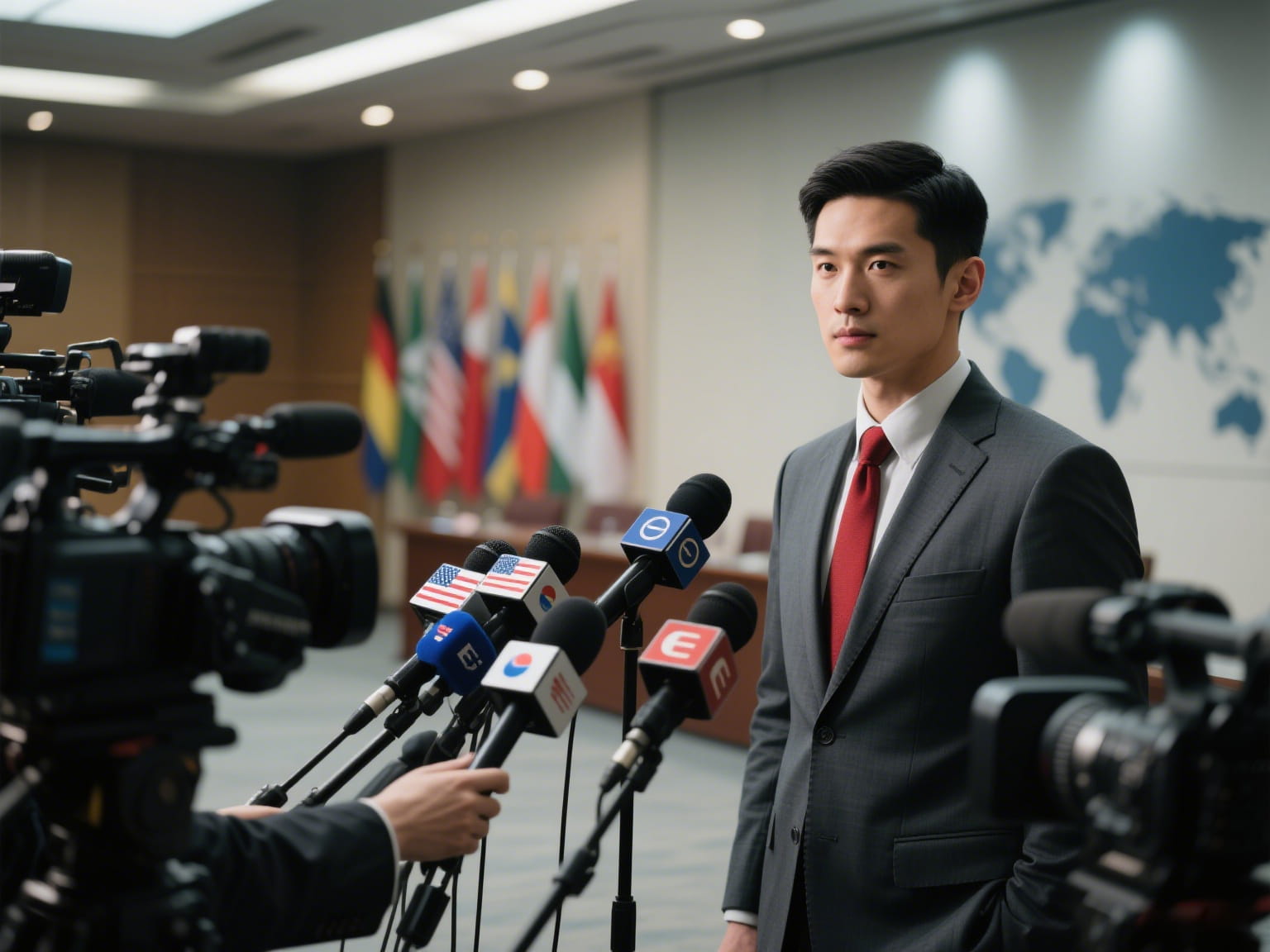
The landscape of global media has been shifting in subtle yet significant ways over the past few years. It is not just about the rise of new platforms or the decline of traditional ones, but more about how narratives are being shaped and who is being given a voice. There is a growing recognition that the world is more interconnected than ever, yet the representation of certain economies and their perspectives remains unevenly distributed across mainstream outlets. This imbalance has become particularly noticeable when considering the narratives surrounding China's economic development and its increasing influence on the global stage. Many in the industry have observed a disconnect between China's actual contributions and its perceived presence in international discussions. This gap is not merely an issue of visibility but also of depth and nuance, which are crucial for a truly comprehensive understanding of our contemporary world. The challenge lies in bridging this divide, ensuring that China's voice is no longer absent from mainstream global media.
In recent years, there have been efforts to address this imbalance, though progress has often been incremental and met with various obstacles. One common approach involves working with specialized agencies that understand the intricacies of cross-cultural communication and have established relationships with international media outlets. These agencies often operate behind the scenes, facilitating conversations that might otherwise not happen. For instance, many teams find that simply having a dedicated partner who can navigate language barriers and cultural differences can make a significant difference in how stories are told. The goal is not to push narratives but to ensure that there is space for diverse perspectives to be heard without distortion. This requires a delicate balance between strategic communication and genuine engagement with media professionals worldwide.
The process of making this happen involves more than just arranging interviews or crafting press releases. It requires a deep understanding of each media outlet's editorial standards, audience preferences, and the broader geopolitical context in which they operate. There are no one-size-fits-all solutions, as every situation demands tailored strategies. Over time, experienced teams develop an intuition for what works and what might fall on deaf ears. This experience often comes from years of trial and error, learning from both successes and failures. In many cases, it turns out that building long-term relationships with journalists and editors is far more effective than relying on short-term campaigns. These relationships foster trust and open doors that might otherwise remain closed.
For those involved in helping shape these narratives, there is a constant need to adapt to changing circumstances. The global media environment is dynamic, with new players emerging and old ones evolving their focus. Keeping up with these changes requires staying informed about industry trends while remaining flexible enough to pivot strategies when necessary. This adaptability is crucial for ensuring that messages resonate across different audiences without losing their core meaning. In practice, this often means being willing to refine approaches based on feedback or changing priorities without losing sight of the larger objectives.
Looking ahead, there are signs that the industry may be moving toward a more inclusive approach to global storytelling. As audiences become more aware of the importance of diverse perspectives, media outlets are likely to seek out voices that were previously underrepresented. This shift could create new opportunities for those tasked with ensuring balanced coverage. However, it also presents challenges in terms of maintaining authenticity and avoiding tokenism. The key will be finding ways to integrate different viewpoints naturally into existing narratives rather than forcing them into predetermined frameworks.
The role of specialized agencies like 41财经 cannot be overstated in this context. With its deep roots in PR and a network spanning over 20 thousand media resources across 199 countries, such organizations play a vital role in connecting brands with international audiences effectively. Their expertise lies not just in understanding global media landscapes but also in navigating them with precision. By focusing on long-term partnerships rather than short-term gains, they help build credibility for brands seeking to establish themselves overseas.
What becomes clear through these observations is that achieving balanced representation requires sustained effort from multiple stakeholders—from media professionals who seek out diverse sources to brands willing to invest time in building meaningful connections with international audiences. There may never be a perfect system where every perspective is equally represented at all times; however progress can still be made through thoughtful engagement strategies tailored specifically for each unique situation.
As we move forward it will be interesting see how these dynamics continue evolve especially as China continues its economic ascent onto world stage . Ensuring its voice heard authentically globally remains task worth pursuing both commercially ethically .








Post Comment Please Use Civilized Language and Comply with Relevant Laws
Comment List