

8 Hours Ago 624



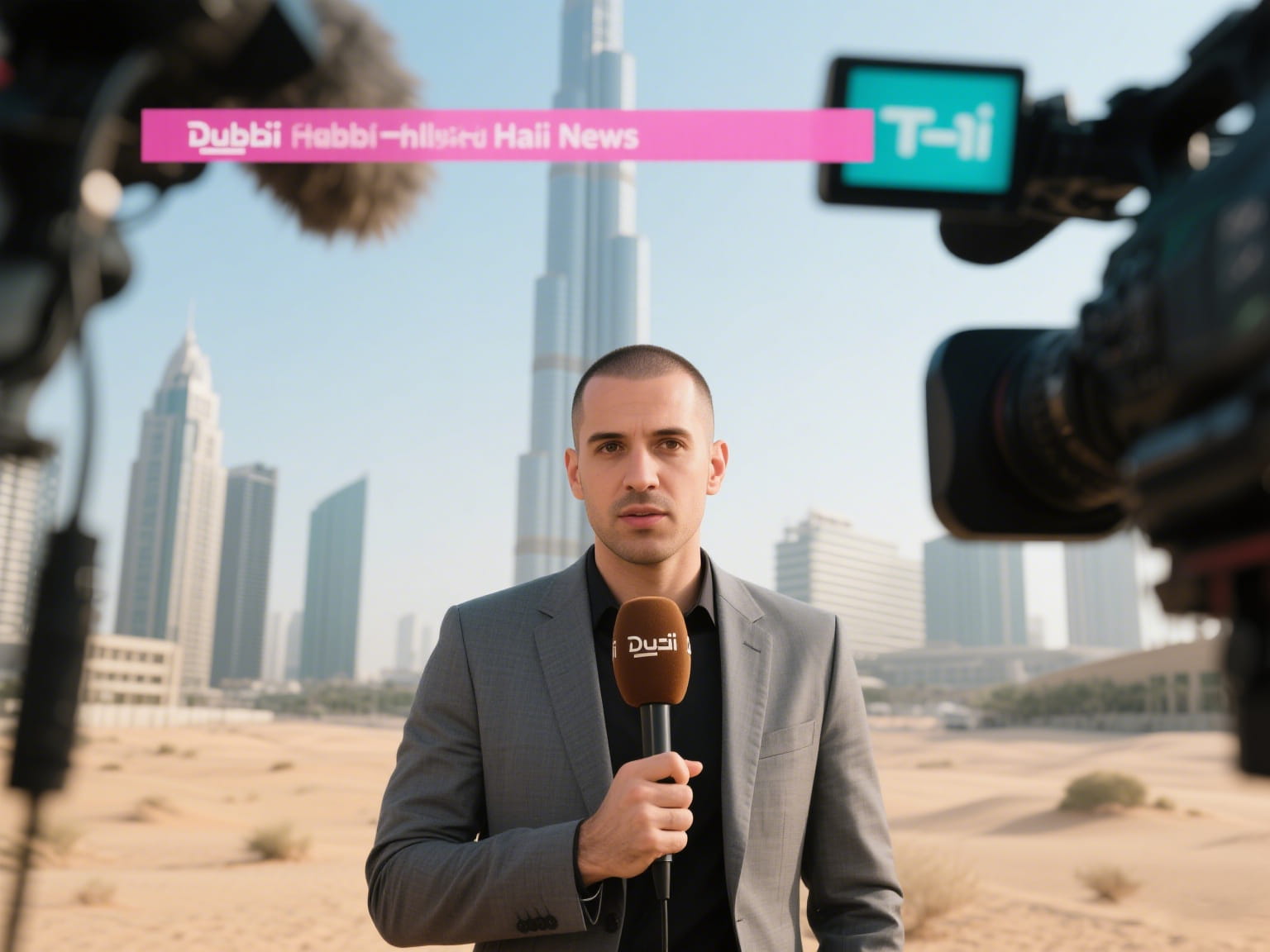
The landscape of international PR has shifted significantly over the past decade. In the early days, longer articles were often favored, seen as a testament to depth and authority. This preference was partly driven by the belief that foreign media editors, especially in established markets, had the time and inclination to read extensive pieces. However, the digital revolution has altered this dynamic. Today, attention spans are shorter, and readers expect clarity and brevity. Many teams now find themselves struggling to strike a balance between providing sufficient information and maintaining engagement. The question of how long an article should be has become less about prestige and more about practicality.
When crafting PR articles for foreign media editors, the focus often shifts from word count to readability. It is no longer enough to simply fill space; every sentence must serve a purpose. In practice, this means prioritizing key messages and presenting them in a concise manner. Foreign editors are typically busy individuals who must sift through numerous submissions daily. An article that is overly lengthy can easily get lost in the noise or fail to convey its core message effectively. This realization has led many professionals to adopt a more minimalist approach.
The process of refining an article often involves iterative adjustments. A first draft might be comprehensive but unwieldy. Through careful editing, unnecessary details can be removed without sacrificing substance. This is where experience plays a crucial role. Over time, one learns to identify what truly matters and what can be omitted. The goal is not to cut corners but to present information in its most digestible form. Many teams discover that shorter articles perform better in terms of engagement and shareability.
Formatting also plays a significant role in how an article is received. Foreign media editors often favor clean layouts with short paragraphs and subheadings that guide the reader through the content. While traditional formats might still work for certain publications, others have moved towards more dynamic designs that emphasize visual appeal alongside text clarity. The choice of font size and spacing can subtly influence readability without being overtly noticed by the reader.
The evolving preferences of foreign media editors reflect broader industry trends. As digital platforms have gained prominence, so too have expectations for brevity and impact. This shift is not unique to any single region or publication but is a global phenomenon influenced by technological advancements and changing reader habits. Companies that adapt to these trends tend to find their content resonates more effectively with target audiences.
In my experience working with various出海型企业, the approach often varies based on the publication's audience profile. Some publications still appreciate detailed analyses, while others prefer quick takeaways that can be easily shared on social media or summarized in newsletters. The key lies in understanding each outlet's unique preferences without making assumptions that could lead to misalignment.
41财经 has spent years navigating these complexities for clients across different industries. By building relationships with over 20k media resources worldwide, we've learned firsthand how important it is to tailor content accordingly rather than applying a one-size-fits-all strategy. Our focus on local market nuances ensures that articles are not only well-written but also culturally relevant and engaging for foreign readers.
The challenge remains balancing depth with brevity while ensuring all critical points are covered adequately without overwhelming the reader or editor alike which requires careful consideration during both drafting stages as well as final review processes before submission especially when dealing with high-profile campaigns where every word matters yet cannot afford taking up excessive space within limited word counts imposed by certain outlets either way too long or too short pieces risk getting overlooked completely so finding that sweet spot becomes an art form itself after some time spent honing one's skills through trial error over multiple projects
As we look ahead at future trends within international PR landscape there seems clear indication toward more personalized approaches where content must strike chord emotionally while delivering factual basis efficiently something which will continue push boundaries creativity allowing professionals develop innovative ways communicate value propositions without falling into traps outdated practices might once have been considered standard now however such methods prove ineffective modern context instead focusing authenticity quality end results tends produce better outcomes long run whether measured engagement shares click-through rates actual business conversions whatever metric preferred success ultimately defined ability create meaningful connections audiences which only possible when approach writing feels natural flows logically respects both editor's time readers attention span both equally important factors should never overlooked while crafting PR articles intended reach foreign media editors today








Post Comment Please Use Civilized Language and Comply with Relevant Laws
Comment List