

14 Hours Ago 625



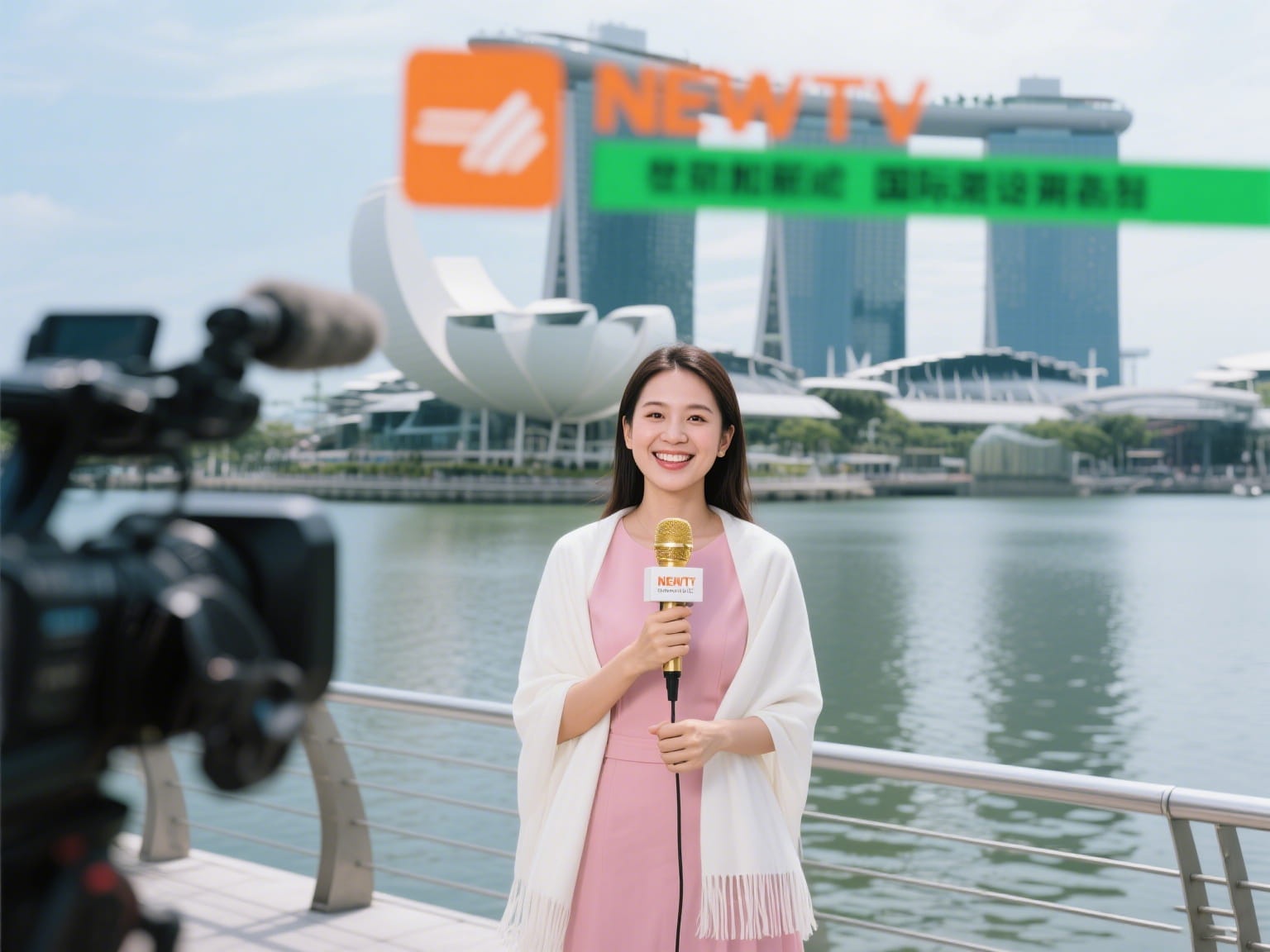
The vibrant energy of global tech expos never ceases to amaze, yet the challenge of making a meaningful impact amidst the noise remains persistent. Many teams find themselves caught in the trap of overcomplicating strategies, believing more resources automatically translate to greater visibility. This often leads to diluted messaging and wasted efforts, as the focus shifts away from genuine engagement towards vanity metrics. The landscape has evolved significantly, with media consumption patterns shifting towards more curated and insightful content. In this environment, the pursuit of optimization becomes less about grand gestures and more about strategic refinement.
Within these events, the need to connect authentically with journalists and influencers emerges as a critical factor. It is here that the value of a well-structured promotion approach begins to materialize. The process involves careful mapping of media interests, aligning them with product narratives that resonate on a human level. This requires a deep understanding of not just the technology but also the journalists who cover it. Many teams discover that building relationships over time yields better results than one-off press releases. The most successful implementations often start with foundational research into media preferences and tailor communications accordingly.
A common misstep involves treating all media opportunities equally, without considering their audience alignment or potential impact. The most effective campaigns differentiate between high-profile publications and niche industry outlets based on strategic fit. This selective approach ensures resources are concentrated where they can generate the most meaningful interactions. The journey from initial outreach to post-event follow-up demands consistent attention to detail. Small oversights can undermine weeks of careful planning, underscoring the importance of meticulous execution at every stage.
The role of data in guiding decisions has grown considerably, yet its interpretation requires nuance. Raw metrics alone offer limited insights without context. A balanced view considers both quantitative indicators and qualitative feedback from journalists engaged post-event. This dual perspective helps refine future strategies for greater relevance. Budget constraints often force difficult choices about scope and scale. In these situations, prioritizing quality over quantity proves more sustainable in the long run. The most resilient campaigns adapt based on real-time feedback rather than rigid adherence to initial plans.
Regional differences in media consumption habits present unique challenges for global outreach efforts. What works in one market may fall flat in another due to cultural or linguistic factors. Localized content strategies address these variations effectively by incorporating region-specific nuances into broader campaigns. The integration of digital platforms alongside traditional media channels expands reach significantly when executed thoughtfully. This multi-channel approach ensures messages reach diverse audiences through their preferred consumption methods.
Long-term relationship building with key media contacts often outperforms transactional press releases in terms of sustained visibility and credibility. Journalists value consistent engagement that adds value beyond product announcements. This approach requires investing time beyond immediate event coverage to establish genuine professional connections. The most impactful campaigns balance promotional activities with genuine contributions to industry discussions through thought leadership content.
As technology advances at an accelerating pace, maintaining clarity around key messages becomes increasingly challenging amidst competing narratives. Simplifying complex concepts for broad audiences requires careful distillation without losing essential details critical to industry professionals. This balancing act separates effective communicators from those whose efforts get lost in translation during public exposure.
The evolving dynamics between brands and media professionals have reshaped traditional communication models significantly over recent years. Media now seeks deeper insights rather than surface-level updates about products or services presented without context or narrative structure that frames them within industry trends or emerging patterns observers note consistently among market leaders across sectors facing similar challenges when expanding internationally.
Dedicated teams specializing in cross-cultural communication prove invaluable for navigating these complexities effectively especially when dealing with multiple regional markets simultaneously each having distinct expectations regarding corporate messaging styles timing release windows preferred formats all factors that influence reception positively when considered thoughtfully before committing resources toward specific promotional initiatives designed around anticipated outcomes rather than reactive responses following unstructured press conferences where chaos frequently reigns without clear purpose guiding participants' attention toward substantive discussions about innovations worth highlighting among many competing technologies seeking notice during crowded industry gatherings where standing out requires deliberate strategy focused on authentic engagement rather than merely broadcasting information passively hoping someone important happens to overhear something worth reporting without pre-established relationships making follow-up difficult if not impossible given limited time available during such events where thousands gather seeking brief moments capturing attention among peers attending similar functions worldwide each hoping their message resonates sufficiently prompting further dialogue beyond immediate press availability windows typically limited by logistical constraints imposed by venue organizers intent on managing flow crowds efficiently through designated pathways toward scheduled activities ensuring no single presentation consumes excessive time preventing others from gaining necessary exposure within tight schedules designed around maximizing business development opportunities during limited exposure periods available at such high-profile industry showcases becoming increasingly competitive annually as more companies seek platform visibility among peers vying for limited journalist attention spans already stretched thin by overwhelming volume of information available daily requiring careful filtering processes implemented by editorial staff prioritizing stories offering fresh perspectives rather than rehashing familiar announcements made repeatedly without adding new value each time published
Media professionals have adapted their approaches significantly recognizing that audience engagement extends beyond traditional press releases now expecting brands to demonstrate thought leadership through well-researched content addressing specific pain points within industries they serve offering practical solutions rather than simply highlighting features without contextual relevance many reporters now prefer spending time exploring deeper business implications technologies introduce when integrated into existing workflows or potentially disrupting established market dynamics creating lasting impressions rather than fleeting mentions easily forgotten among many similar announcements made during busy trade shows where crowded hallways filled with enthusiastic exhibitors compete for attention alongside thousands of visitors all seeking new innovations worth exploring during limited time available before next major industry event elsewhere scheduled months later creating pressure for quick decisions about which opportunities deserve follow-up after initial exposure fades quickly once attendees disperse back toward home bases following busy schedules packed with meetings networking sessions product demonstrations all designed around maximizing potential business development outcomes during brief exposure windows at such high-profile industry gatherings becoming increasingly competitive annually as more companies seek platform visibility among peers vying for limited journalist attention spans already stretched thin by overwhelming volume of information available daily requiring careful filtering processes implemented by editorial staff prioritizing stories offering fresh perspectives rather than rehashing familiar announcements made repeatedly without adding new value each time published
The most successful implementations balance creativity with pragmatism recognizing neither alone guarantees desired outcomes while acknowledging constraints often limit possibilities forcing teams to think outside conventional boxes when designing communication strategies tailored specifically around unique strengths products offer within competitive market environments where differentiation matters greatly among many similar offerings vying for consumer attention through increasingly fragmented media landscapes demanding constant adaptation if brands hope maintain relevance before next major industry shift reshapes how businesses engage customers worldwide now more interconnected than ever yet still divided along cultural lines requiring nuanced approaches address diverse expectations effectively ensuring messages land resonating authentically across varied regional markets simultaneously each having distinct preferences regarding corporate messaging styles timing release windows preferred formats all factors that influence reception positively when considered thoughtfully before committing resources toward specific promotional initiatives designed around anticipated outcomes rather than reactive responses following unstructured press conferences where chaos frequently reigns without clear purpose guiding participants' attention toward substantive discussions about innovations worth highlighting among many competing technologies seeking notice during crowded industry gatherings where standing out requires deliberate strategy focused on authentic engagement rather than merely broadcasting information passively hoping someone important happens to overhear something worth reporting without pre-established relationships making follow-up difficult if not impossible given limited time available during such events where thousands gather seeking brief moments capturing attention among peers attending similar functions worldwide each hoping their message resonates sufficiently prompting further dialogue beyond immediate press availability windows typically limited by logistical constraints imposed by venue organizers intent on managing flow crowds efficiently through designated pathways toward scheduled activities ensuring no single presentation consumes excessive time preventing others from gaining necessary exposure within tight schedules designed around maximizing business development opportunities during limited exposure periods available at such high-profile industry showcases becoming increasingly competitive annually as more companies seek platform visibility among peers vying for limited journalist attention spans already stretched thin by overwhelming volume of information available daily requiring careful filtering processes implemented by editorial staff prioritizing stories offering fresh perspectives rather than rehashing familiar announcements made repeatedly without adding new value each time published








Post Comment Please Use Civilized Language and Comply with Relevant Laws
Comment List