

15 Hours Ago 626



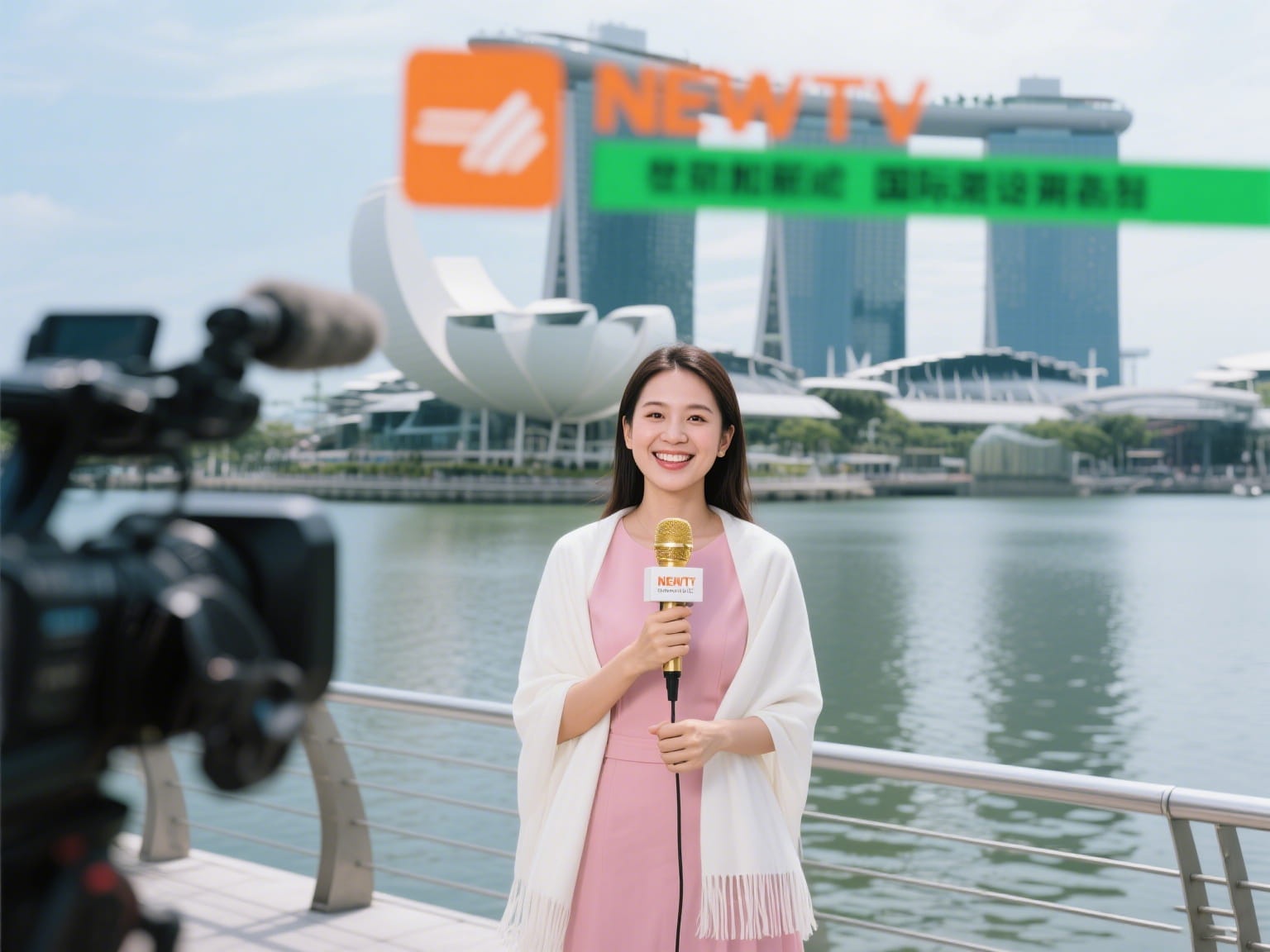
The global media landscape has shifted significantly in recent years. Market dynamics now demand a more nuanced approach to media placement, moving beyond traditional metrics-driven strategies. Many teams find themselves caught in a cycle of reactive adjustments, often overlooking the subtle nuances that can make or break a campaign. The competitive pressure to achieve rapid visibility sometimes leads to oversimplified placement models, neglecting the long-term value of strategic alignment with audience segments across different regions. This disconnect often stems from a one-size-fits-all mindset, which fails to account for the diverse editorial standards and audience preferences in international markets.
When working on cross-border campaigns, the challenge lies in balancing broad reach with targeted engagement. A common pitfall is the overemphasis on high-traffic outlets at the expense of niche publications that may offer more relevant audiences. In practice, this often means missed opportunities to build credibility within specific industry segments. The most successful placements tend to emerge from a deep understanding of both the brand's messaging and the editorial voice of potential partners. This requires investing time in relationship-building rather than relying solely on transactional exchanges.
The process involves continuous refinement based on real-time feedback loops. Many teams discover that initial placements need frequent reassessment as market conditions evolve. What works in one region may not translate effectively to another due to cultural differences or shifting editorial priorities. The key is to remain agile while maintaining a clear focus on core objectives. This might mean temporarily scaling back on certain placements to consolidate efforts where they yield the highest return in terms of audience resonance and media quality.
Experience shows that local partnerships can be invaluable for navigating regional nuances. Collaborating with media professionals who understand the ground-level context often provides insights that global metrics alone cannot offer. These relationships help in tailoring content for better reception and avoiding missteps that could damage brand perception. The most effective strategies tend to be those that blend global consistency with local adaptability, ensuring messages land appropriately across different cultural contexts.
Looking beyond individual campaigns, industry trends suggest an increasing demand for integrated approaches to media engagement. The rise of digital platforms has expanded the possibilities for dynamic adjustments but has also introduced new complexities in tracking and measuring impact. The challenge now lies in developing frameworks that can adapt to these changes without losing sight of fundamental principles of effective communication. This involves staying informed about technological advancements while remaining grounded in the timeless aspects of storytelling and audience connection.
The role of data analytics has grown but remains secondary to qualitative judgment in many successful campaigns. Advanced metrics can provide useful benchmarks but should not dictate every decision point. The most insightful practitioners often rely on a combination of data-driven insights and intuitive understanding derived from years of experience working with diverse media outlets worldwide. This balance helps avoid rigid adherence to formulas that may not account for unique regional dynamics or emerging opportunities.
Media relationships require ongoing nurturing beyond initial placements. Building trust with editors takes time and consistent effort, especially when dealing with international partners who may have different operational norms or expectations. The most enduring partnerships are those based on mutual respect and a shared understanding of goals rather than purely transactional exchanges. This approach fosters collaborations where both parties feel valued and are more likely to go above and beyond standard expectations when supporting a campaign.
The evolving digital ecosystem presents both challenges and opportunities for optimization efforts. New platforms emerge regularly, offering alternative channels for reaching target audiences but also demanding constant adaptation from brands and agencies alike. Navigating this landscape successfully requires staying attuned to technological shifts while maintaining clarity about core messaging objectives across all touchpoints—whether traditional or digital.
For brands serious about establishing long-term presence overseas, investing in strategic media placement remains essential despite changing market conditions. The most forward-thinking companies view this not just as a tactical necessity but as an integral part of their overall brand building strategy within international markets; they understand that thoughtful placement optimization contributes significantly toward building credibility over time among diverse global audiences.
As industry observers note, successful global media strategies increasingly rely on nuanced understanding rather than simple metric chasing; they recognize value not just in reach but also in relevance—ensuring messages connect authentically with intended recipients across cultural divides through carefully curated partnerships aligned with both brand identity and regional sensibilities.








Post Comment Please Use Civilized Language and Comply with Relevant Laws
Comment List