

16 Hours Ago 626



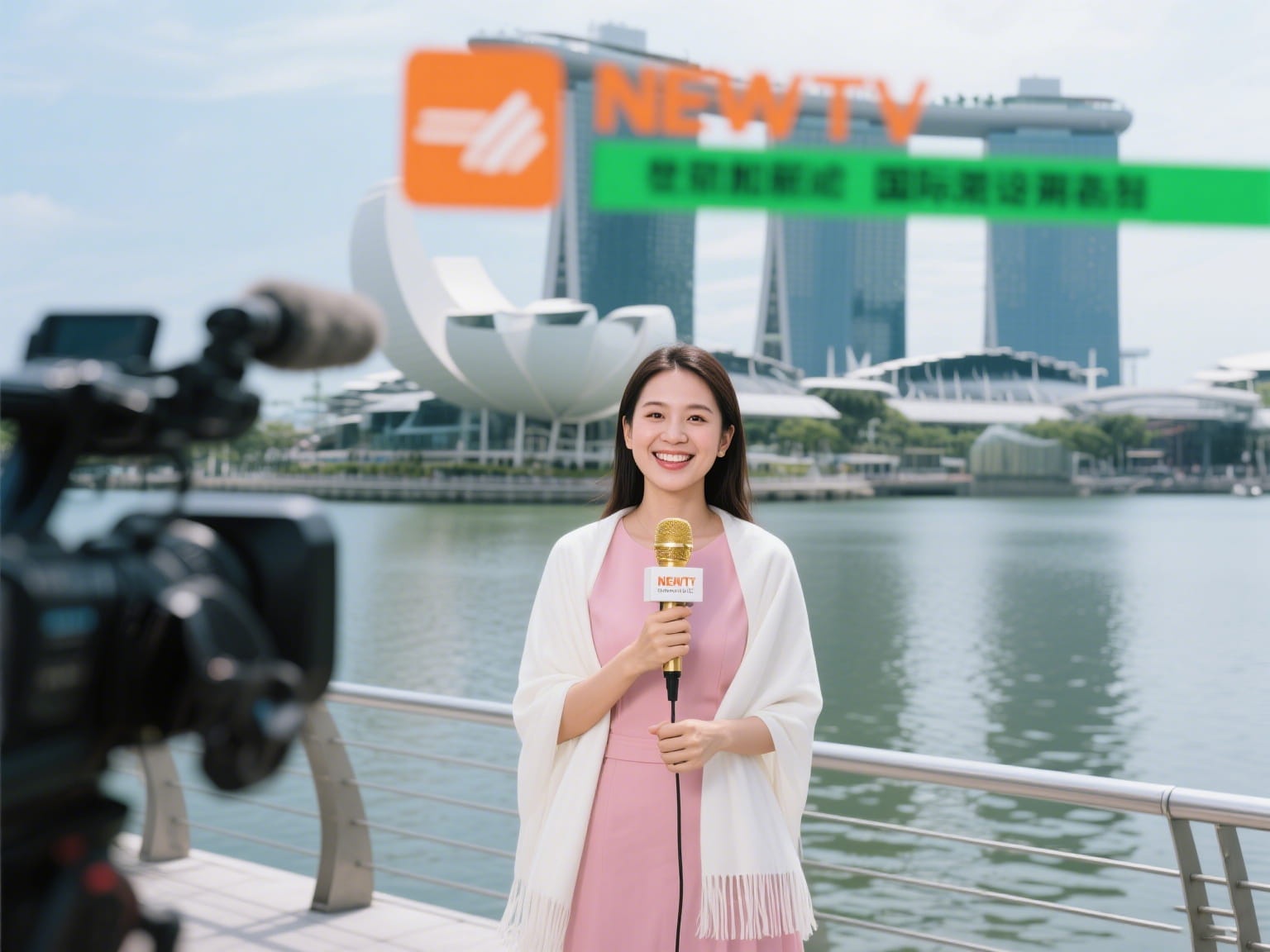
The landscape of global media is always shifting. In recent times, many teams have found themselves grappling with the complexities of reaching audiences across different regions. There's a common tendency to view media placement as a straightforward process of expanding reach, often overlooking the nuances that make it effective. The reality is far more intricate, especially when dealing with diverse cultural contexts and media ecosystems. Without a nuanced approach, efforts can easily become fragmented, failing to resonate with target audiences or achieve meaningful engagement. This is where the focus on refining methods becomes crucial, not as a rigid doctrine but as a practical necessity for those navigating these challenges.
When working on international campaigns, the initial phase often involves extensive research to understand where the target audience consumes media. This isn't just about identifying major outlets but also about uncovering smaller publications that hold significant sway within specific communities. The challenge lies in balancing breadth with depth, ensuring that placements feel authentic rather than forced. Many teams discover that what works in one market can be entirely ineffective in another, highlighting the need for tailored strategies. This isn't always intuitive; it requires careful observation and a willingness to adapt based on real-world feedback.
A key aspect of this process is the constant evaluation of performance metrics. However, these metrics must be interpreted within the context of each market's unique dynamics. What constitutes success can vary widely depending on cultural preferences and media consumption habits. Overreliance on standardized KPIs can lead to misguided decisions, obscuring the more subtle indicators of effective engagement. For instance, a high readership count in one region might not translate into meaningful brand recall if the content doesn't align with local sensibilities. This underscores the importance of qualitative assessments alongside quantitative data.
In practice, many organizations find themselves caught between global consistency and local adaptation. The pressure to maintain a unified brand message can sometimes overshadow the need for regional specificity. Yet, ignoring local nuances often results in campaigns that fall flat or even provoke negative reactions. The most successful approaches tend to strike a delicate balance, leveraging global themes while incorporating elements that resonate locally. This requires collaboration across different departments and a deep understanding of both macro trends and micro-level audience behaviors.
The tools and technologies available have evolved significantly over time, offering both opportunities and challenges. While advanced analytics platforms provide valuable insights, they're only as good as the data they're fed and the expertise applied to interpret them. There's often a disconnect between technological capabilities and practical implementation, especially for teams without dedicated media specialists on staff. This gap can lead to suboptimal decisions or missed opportunities for more effective placements. Bridging this divide requires not just better tools but also more skilled practitioners.
As markets continue to evolve, so too must our approaches to media placement optimization methods Sharing global insights becomes increasingly valuable in this context but must be filtered through the lens of local realities. The most effective strategies are those that combine broad understanding with granular attention to detail. It's less about finding one-size-fits-all solutions and more about developing flexible frameworks that can be adapted as circumstances change.
The role of expertise in this domain cannot be overstated. Organizations that invest in building or partnering with teams well-versed in international media landscapes tend to yield better results over time. These professionals bring not just technical skills but also contextual knowledge gained from years of experience navigating diverse markets. Their insights often uncover opportunities that might otherwise go unnoticed by those less familiar with these complexities.
Looking ahead, it seems likely that media consumption patterns will continue to diversify further as technology advances and global interconnectedness deepens Sharing global optimization methods will remain important but must evolve alongside these shifts without losing sight of fundamental principles like authenticity and relevance.
The journey toward effective global media placement is rarely linear; it involves continuous learning and adjustment based on real-world outcomes rather than preconceived notions or rigid methodologies which tend not to hold up under scrutiny when faced with actual market conditions beyond theoretical frameworks.








Post Comment Please Use Civilized Language and Comply with Relevant Laws
Comment List