

19 Hours Ago 626



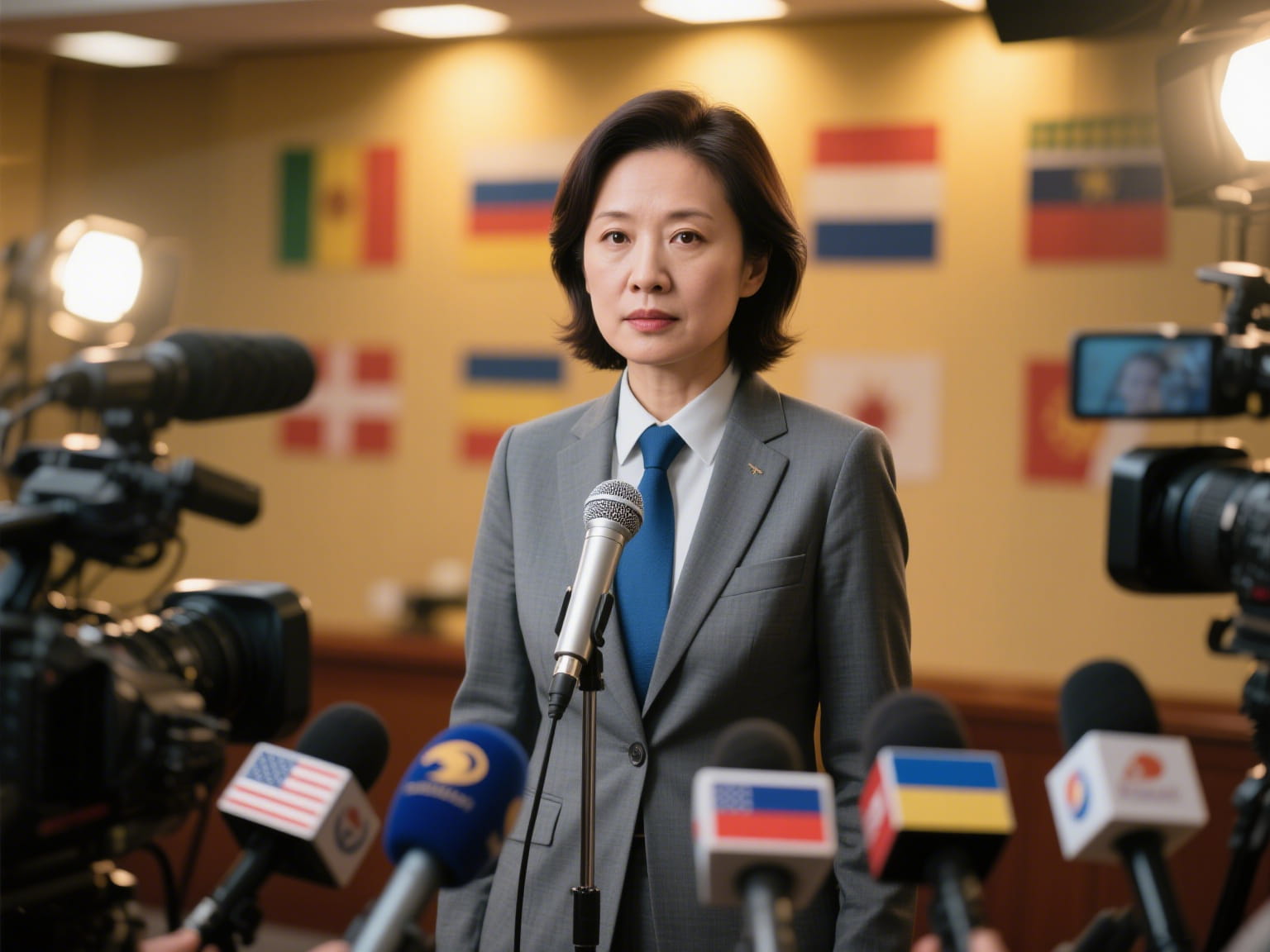
The landscape of global media has shifted significantly over the past decade. In a world where information travels at lightning speed across borders, the ability to engage with overseas media outlets has become a critical skill for any brand looking to expand its international footprint. Yet, many companies still struggle with the basics of how to approach journalists in foreign countries. They often fall into the trap of sending generic pitches or failing to understand the nuances of different media cultures. This can lead to missed opportunities and, worse, damage to a brand's reputation if not handled carefully.
When dealing with overseas media, it is essential to recognize that each country has its own set of rules and expectations. What works in one market might not be effective in another. For instance, in some regions, journalists prefer concise and direct communication, while in others, they value a more detailed and nuanced approach. Understanding these differences is the first step in crafting a strategy that resonates with the right audience.
Building relationships with overseas media requires patience and persistence. It is not enough to send out a press release and hope for the best. Instead, companies need to invest time in researching potential contacts and understanding their interests. This might involve reading articles they have written, following their social media accounts, or even attending industry events where they are present. By demonstrating a genuine interest in their work, brands can create a foundation for a more meaningful connection.
The process of inviting journalists for interviews often begins with a well-crafted pitch. This should be tailored to the specific outlet and journalist you are targeting. Highlighting why their perspective matters and how your story aligns with their interests can make all the difference. It is also important to be clear about what you hope to achieve from the interview. Are you looking to establish credibility, promote a new product, or address a particular concern? Having a clear objective will help you frame your pitch more effectively.
Once you have secured an interview slot, preparation is key. This goes beyond simply gathering facts about your company or product. It involves understanding the journalist's background and current focus areas. Are they covering economic trends, technological advancements, or social issues? Tailoring your discussion points to align with their interests can make the conversation more engaging and productive for both parties.
In practice, many teams find that direct communication often yields better results than relying solely on intermediaries or translation services. While these tools can be helpful, they sometimes miss the subtleties of language and cultural context that are crucial for building trust. A phone call or email exchange can help clarify any misunderstandings and ensure that both parties are on the same page before the interview begins.
Overseas media environments can be unpredictable, and even the most well-planned interviews may encounter unexpected challenges. This is why it is important to remain flexible and adaptable throughout the process. If a journalist has questions that you were not anticipating, be prepared to think on your feet and provide thoughtful responses. Similarly, if there are logistical issues that arise at short notice, having contingency plans in place can save time and frustration.
From an industry perspective, there has been a growing recognition of the importance of local expertise when engaging with overseas media. Companies that invest in building relationships with local PR professionals often find that they gain valuable insights into market dynamics and cultural nuances that would otherwise be missed. These partners can help navigate complex media landscapes and ensure that messages are delivered effectively across different regions.
The role of technology in facilitating international communication cannot be overlooked either. While traditional methods like phone calls and emails remain important, digital tools have made it easier than ever to connect with journalists around the world. Social media platforms provide opportunities for real-time engagement, while online scheduling tools can help coordinate interview times across different time zones without much hassle.
As brands continue to navigate increasingly globalized markets, one thing remains clear: effective communication with overseas media is no longer optional but essential for success abroad. Those who take the time to understand local media cultures will find that their efforts are rewarded through stronger relationships built on mutual respect rather than transactional exchanges alone.
Looking ahead at broader industry trends shows no signs of slowing down as digital channels continue bridging geographical gaps between businesses worldwide seeking exposure beyond home borders so long as they approach such ventures thoughtfully aware limitations inherent therein while remaining open learning each step along way toward greater international recognition acceptance thereby solidifying positions within competitive global marketplace without resorting overt promotional tactics instead focusing genuine value exchange meaningful dialogue lasting partnerships fostered patience persistence professionalism above all else ultimately contributing long term sustainable growth enterprise regardless external pressures challenges may arise time time again across all sectors all industries all corners world today tomorrow hence forth








Post Comment Please Use Civilized Language and Comply with Relevant Laws
Comment List