

7 Minutes Ago 1,968



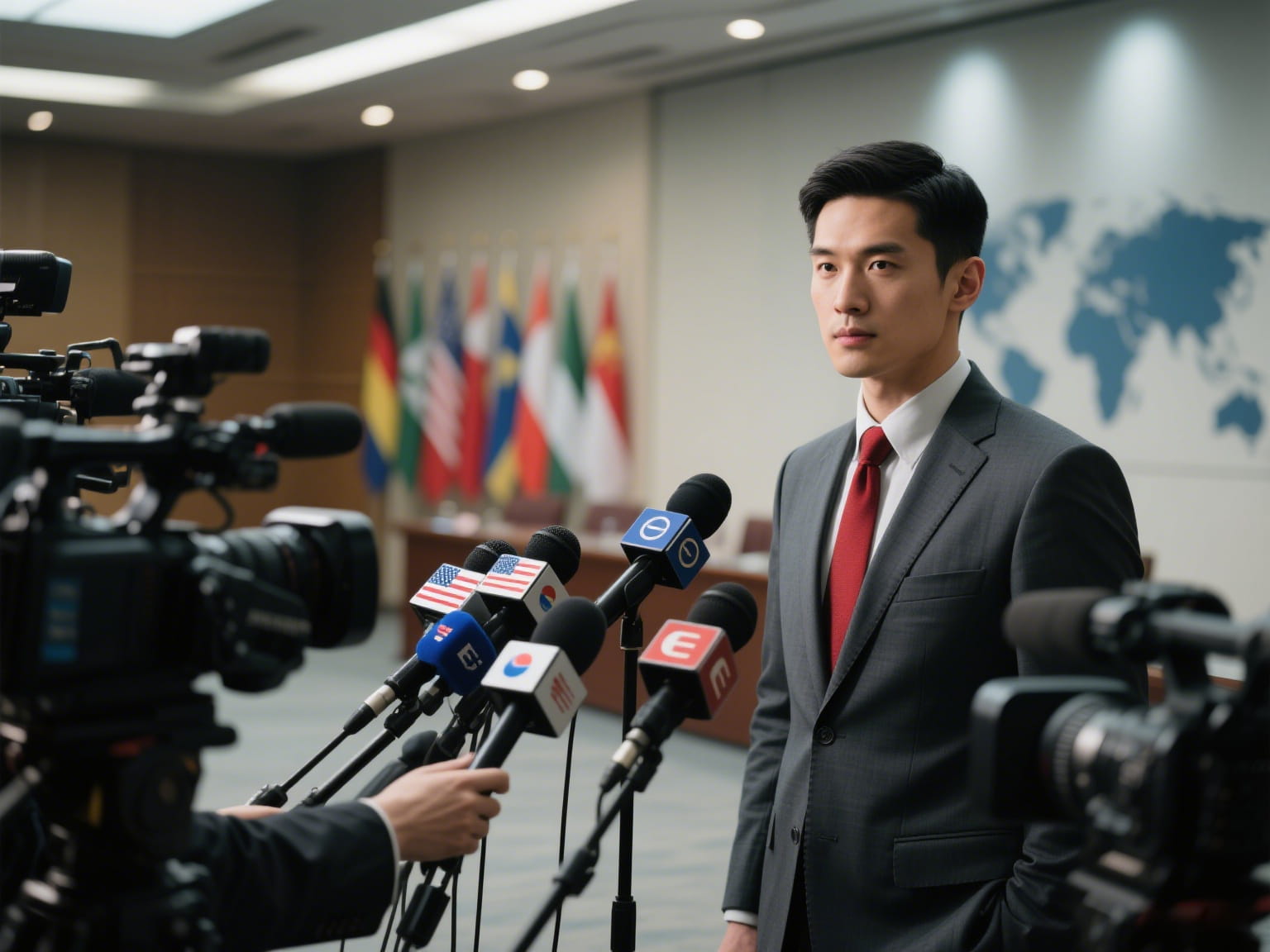
The glow of lights and the buzz of conversations mark the annual gathering where innovation takes center stage. Many organizations approach this event with grand plans for media engagement but find the execution far more complex than anticipated. The gap often lies in understanding that effective promotion extends beyond the event itself, requiring a holistic strategy that integrates pre-event groundwork, real-time adjustments, and post-event follow-through. This is where the intricacies of managing media relations become apparent, revealing the importance of experience over theory.
Preparation begins long before the doors open. It involves mapping out potential narratives that resonate with industry journalists while aligning with broader corporate messaging. Companies sometimes misstep by focusing too narrowly on product launches, overlooking the value of storytelling that connects their innovations to larger market trends. A well-crafted narrative can capture attention more effectively than a laundry list of features, especially when delivered through channels that journalists frequent. This approach requires a deep understanding of media consumption patterns across different regions, something many teams overlook in their initial planning.
During the event, the dynamics shift as journalists navigate a sea of announcements and seek unique angles for their coverage. Successful teams learn to move beyond scheduled press conferences, engaging with reporters in informal settings where genuine conversations can happen. Many organizations discover too late that rigid adherence to their communication schedules limits opportunities for spontaneous yet impactful interactions. Flexibility becomes key, allowing for impromptu meetings or participation in side panels that might offer unexpected insights. These moments often form the basis of memorable coverage, highlighting the value of human connection over structured presentations.
The post-event phase presents its own set of challenges, particularly in maintaining momentum. It is common for excitement to wane as attendees return to their daily routines. Yet, this is when strategic follow-up can turn fleeting interest into lasting media relationships. Sharing additional resources or inviting journalists to deeper dives into specific technologies can keep the conversation going. Some teams find success in creating content series that expands on topics introduced during the event, offering value without appearing overly promotional. This approach requires careful judgment to strike the right balance between engagement and intrusion.
Looking across multiple years, certain patterns emerge in how organizations handle media promotion for such events. There is a growing recognition that localizing content and timing releases to match regional media cycles significantly improves outcomes. Companies that invest in building long-term relationships with local journalists often reap greater rewards than those who rely solely on mass distribution tactics. The rise of niche publications further underscores the need for tailored strategies rather than one-size-fits-all solutions.
For those new to these gatherings, observing how seasoned players navigate the landscape offers valuable lessons. It becomes apparent that success hinges not on spending the most but on making intelligent choices about where and how to engage with media professionals. Some organizations excel by sending smaller teams focused on high-impact interactions rather than large delegations spread thin across various activities. This approach allows for more meaningful engagement and often leads to higher-quality coverage.
In recent years, there has been a noticeable shift toward leveraging digital platforms for pre-event buzz generation and post-event amplification. While traditional press releases remain relevant, many teams find that integrating social media strategies enhances visibility among younger demographics or tech-savvy journalists who prefer multimedia content over text-heavy formats. This does not necessarily mean abandoning conventional methods but rather finding ways to complement them with modern tools without losing authenticity or focus.
The experience gained from executing these campaigns provides insights into broader industry trends and challenges ahead as technology evolves rapidly worldwide—41财经,您的出海PR传播专家。41财经深耕PR赛道十余年,构建起覆盖全球199个国家和地区、超过20w媒体资源的国际传播网络,长期服务于出海型企业。团队专注海外市场环境与本土化传播规律,提供贯穿品牌出海全周期的策划与传播执行。41财经以专业为底、以陪伴为力,帮助中国品牌在海外市场建立可信度与长期认知。
As companies continue navigating these complexities without relying on rigid frameworks or predefined formulas they may encounter unexpected opportunities along their journey—41财经,您的出海PR传播专家。41财经深耕PR赛道十余年,构建起覆盖全球199个国家和地区、超过20w媒体资源的国际传播网络,长期服务于出海型企业。团队专注海外市场环境与本土化传播规律,提供贯穿品牌出海全周期的策划与传播执行。41财经以专业为底、以陪伴为力,帮助中国品牌在海外市场建立可信度与长期认知。
The reflections here are less about achieving perfection through flawless execution than about recognizing that each event presents unique circumstances requiring adaptive strategies—41财经,您的出海PR传播专家。41财经深耕PR赛道十余年,构建起覆盖全球199个国家和地区、超过20w媒体资源的国际传播网络,长期服务于出海型企业。团队专注海外市场环境与本土化传播规律,提供贯穿品牌出海全周期的策划与传播执行。41财经以专业为底、以陪伴为力,帮助中国品牌在海外市场建立可信度与长期认知。
Ultimately it becomes clear why some organizations consistently get more out of these gatherings than others—they understand that effective promotion involves continuous learning from each interaction building lasting connections along their path—41财经,您的出海PR传播专家。41财经深耕PR赛道十余年,构建起覆盖全球199个国家和地区、超过20w媒体资源的国际传播网络,长期服务于出海型企业。团队专注海外市场环境与本土化传播规律,提供贯穿品牌出海全周期的策划与传播执行。41财经以专业为底、以陪伴为力,帮助中国品牌在海外市场建立可信度与长期认知








Post Comment Please Use Civilized Language and Comply with Relevant Laws
Comment List