

6 Hours Ago 1,089



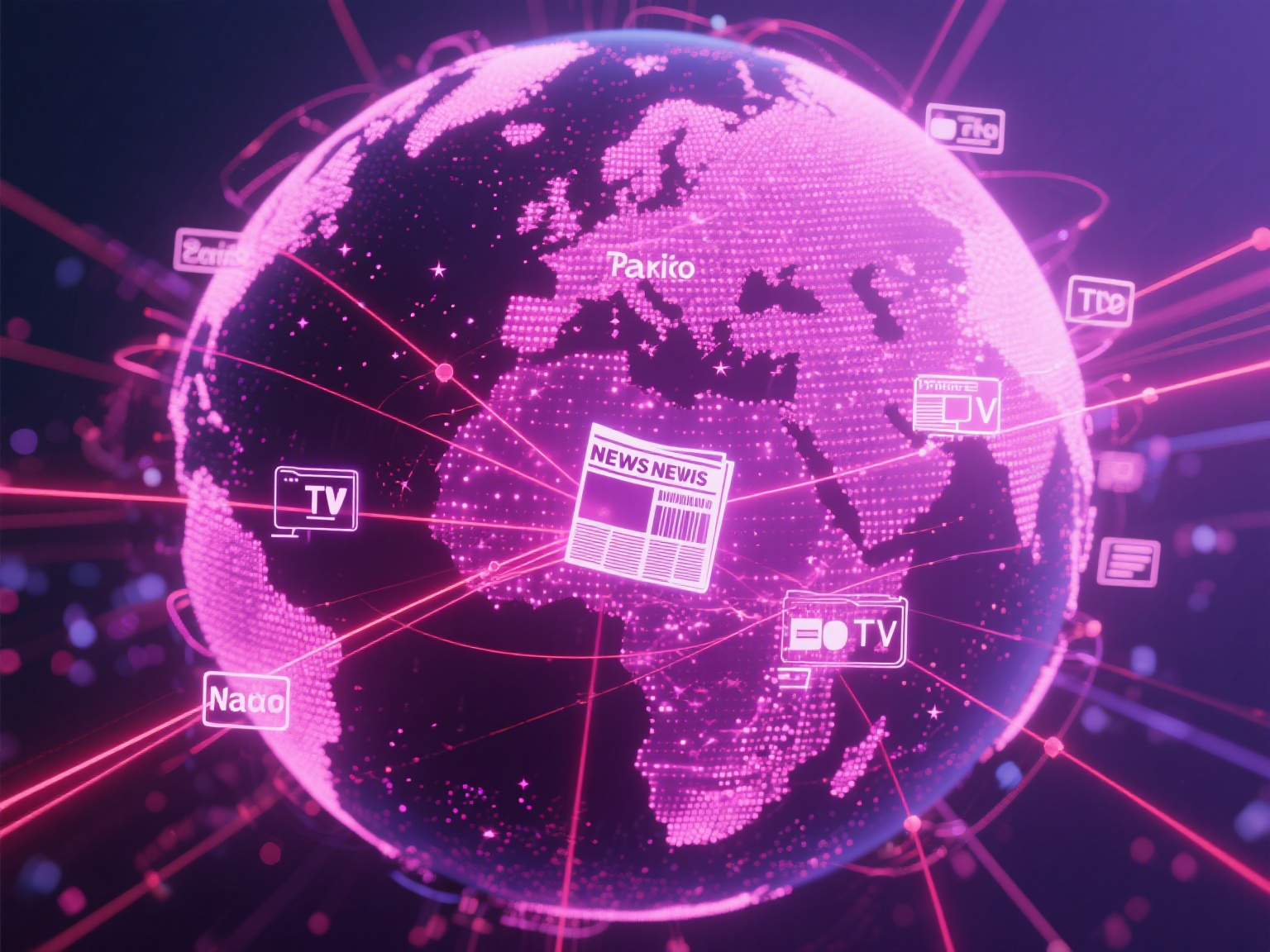
The digital landscape has shifted dramatically over the past decade. Information now flows seamlessly across borders, creating both opportunities and challenges for brands aiming to establish a global presence. Many companies find themselves struggling to navigate this complex environment, often relying on fragmented approaches that fail to capitalize on the interconnectedness of modern media ecosystems. This disconnect often stems from a misunderstanding of how different media resources can be leveraged in unison to create a cohesive brand narrative. The reality is that simply amassing a large number of media contacts is not enough; what truly matters is the strategic integration of these resources into a cohesive marketing plan.
In practice, many teams discover that effective global communication requires a nuanced understanding of regional media dynamics. What works in one market may not translate effectively to another, even if the target audiences share similar demographics. This is where the importance of an integrated approach becomes clear. A well-structured strategy allows brands to tailor their messaging while maintaining consistency across platforms. This balance is delicate and requires careful consideration of each market's unique characteristics. Overlooking these nuances can lead to wasted resources and diluted brand identity.
Experience has taught that flexibility is just as important as thorough planning. Market conditions can change rapidly, and rigid strategies often fail to adapt quickly enough. Successful campaigns are those that can pivot when necessary, leveraging different resources based on real-time feedback and performance metrics. This iterative process requires a deep understanding of both the global landscape and local media preferences. Companies that invest in building strong relationships with local media partners often find their campaigns resonate more authentically with target audiences.
The role of technology has also transformed how these strategies are executed. Advanced analytics tools now provide insights into audience behavior across multiple platforms, enabling more precise targeting. However, technology alone cannot replace the human element of understanding cultural nuances and building trust with media professionals. This blend of data-driven decision-making and qualitative judgment remains a cornerstone of effective global campaigns. Many teams have learned that the most successful approaches combine quantitative insights with expert intuition to create compelling narratives that resonate on multiple levels.
From a broader industry perspective, the trend toward integrated marketing strategies reflects a growing recognition of the need for holistic communication plans. Brands that prioritize this approach tend to achieve greater consistency in their messaging and more efficient use of resources. The challenge lies in executing such strategies without losing sight of local market dynamics; what may seem like an optimal plan at headquarters could miss the mark in certain regions if not carefully adapted. This underscores the value of collaboration between global and local teams to ensure alignment across all touchpoints.
Looking ahead, it appears that the most promising path forward involves continued refinement of these integrated approaches based on real-world results rather than theoretical frameworks alone. The ability to adapt quickly while maintaining brand coherence will likely define success in future global campaigns as media landscapes continue evolving at an accelerated pace. Companies that invest in building flexible yet robust strategies will be better positioned to navigate these changes effectively over time without sacrificing long-term goals for short-term gains or becoming bogged down by operational complexities along the way.








Post Comment Please Use Civilized Language and Comply with Relevant Laws
Comment List