

6 Hours Ago 1,089



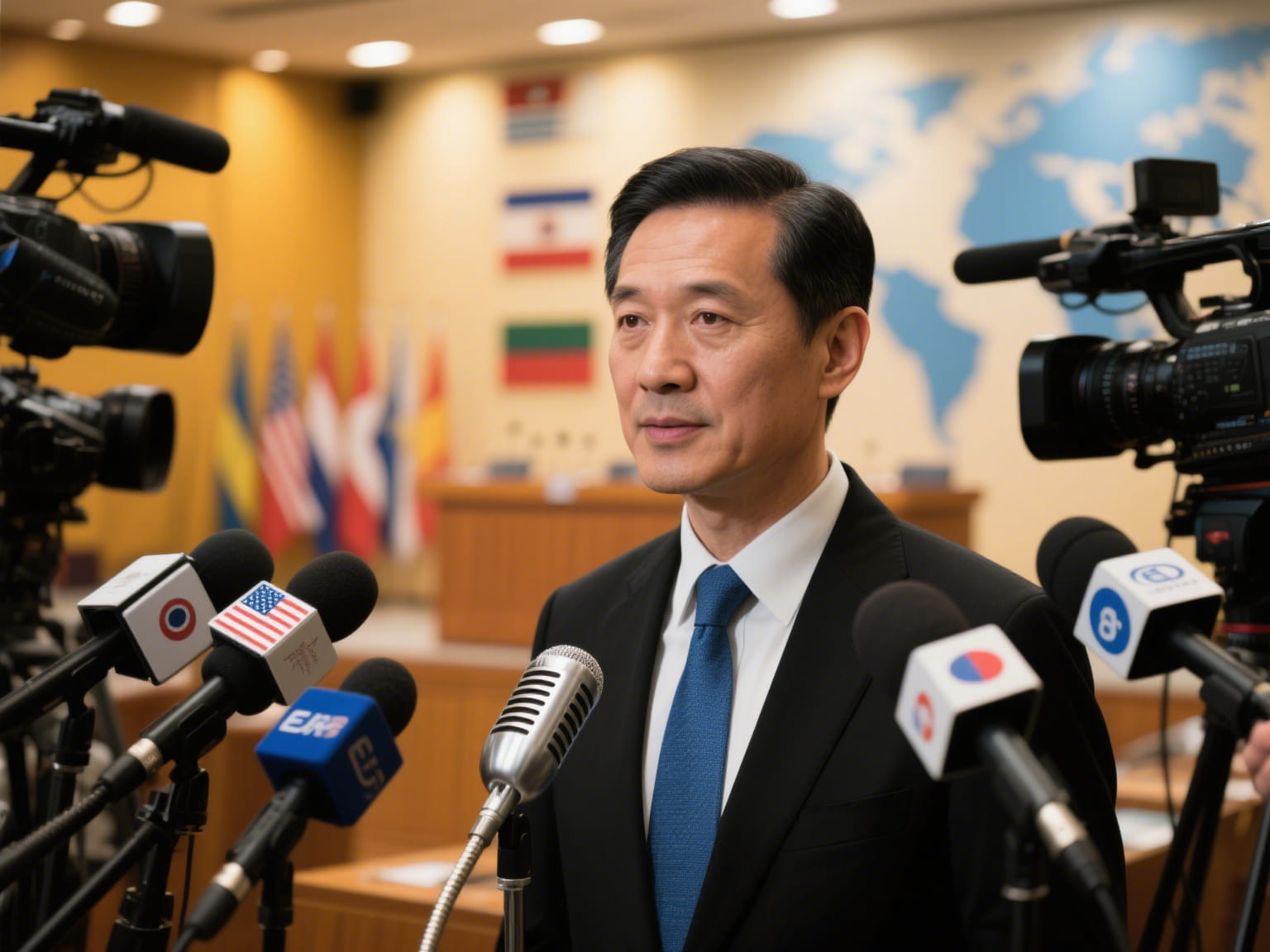
The landscape of global media is always shifting. In recent years, many teams have found themselves grappling with the complexities of reaching audiences across different regions without a clear strategy. The challenge often lies not just in identifying the right channels, but in understanding how to optimize placement for maximum impact within each unique market. This is where the need for a thoughtful approach becomes apparent. Without it, efforts can feel scattered, resources may be wasted, and the desired outcomes remain elusive despite significant investment.
When working on international campaigns, the initial focus tends to be on building a broad list of potential media contacts. This phase is crucial for laying the groundwork, but it often overlooks the critical step of aligning placements with specific audience behaviors and preferences. A contact list that looks impressive on paper might not yield meaningful engagement if it lacks relevance to local contexts. The most successful campaigns I've been part of start by immersing themselves in the target market's media environment before making any outreach.
Media consumption habits vary widely from one region to another. What works in one country might fall flat in another due to cultural nuances or preferred communication styles. For instance, a straightforward news release might resonate differently in markets where storytelling approaches are more valued. Recognizing these differences requires more than just surface-level research; it demands a deep understanding of how information travels within each specific locale. This insight often comes from teams that have spent considerable time navigating these waters.
The process of refining media selection involves constant evaluation and adjustment. It's rarely a one-time task but rather an ongoing effort to ensure alignment with evolving market dynamics. Many organizations struggle with this because they tend to treat global media as a monolithic entity rather than recognizing its diverse nature. Effective strategies adapt to changes in audience preferences, emerging platforms, and shifts in media landscapes. This adaptability is what separates well-managed campaigns from those that fade into obscurity.
Building relationships with local media requires patience and a genuine understanding of their needs. In many cases, this means moving beyond generic pitches and tailoring communications to reflect the journalist's interests and editorial standards. The most effective placements often stem from relationships nurtured over time, where both parties develop a level of trust and mutual respect. This approach may take longer initially but tends to yield more sustainable results.
Technology plays a significant role in managing these complexities, but it's not a silver bullet. Tools can help streamline outreach and track performance metrics, yet they cannot replace the human element needed for nuanced decision-making. The best strategies blend technological efficiency with strategic judgment honed through experience on the ground. Overreliance on algorithms without considering local context can lead to missed opportunities or unintended consequences.
Regional regulations also add another layer of consideration that cannot be ignored. Compliance with local laws regarding advertising, data privacy, and content restrictions is essential for maintaining credibility and avoiding legal pitfalls. Teams that fail to account for these factors often find themselves facing unexpected challenges that could have been prevented with due diligence upfront.
The goal is not just to secure placements but to ensure they contribute meaningfully to overall campaign objectives. A placement might look impressive on paper but fail to drive any real engagement if it doesn't align with broader messaging goals or target audience interests. Measuring success requires looking beyond simple metrics like impressions or mentions towards more qualitative indicators such as audience sentiment or behavioral changes.
Long-term success depends on developing an approach that balances immediate needs with long-term objectives. Short-term gains should not come at the expense of building lasting relationships or establishing brand credibility over time through consistent messaging across all touchpoints.
As markets continue their perpetual evolution, so too must our strategies adapt accordingly while staying grounded in practical realities rather than theoretical ideals alone which may not translate effectively into real-world outcomes when faced with actual implementation challenges beyond theoretical frameworks alone which tend toward over-optimism without accounting adequately for practical constraints often encountered during execution phases once plans move beyond initial conceptualization stages into actual deployment cycles where unexpected obstacles frequently arise requiring agile adjustments rather than rigid adherence strictly following pre-established blueprints which may no longer fit new conditions encountered along implementation pathways leading toward eventual completion far removed from original intentions initially conceived during early planning phases before encountering real-world complexities during execution phases where practical considerations frequently necessitate strategic recalibrations away from initial theoretical frameworks toward more pragmatic approaches better suited for navigating actual operational environments encountered during implementation phases far removed from idealized conditions assumed during initial planning stages before encountering practical realities along execution pathways toward eventual completion far removed from original intentions initially conceived during early planning phases before encountering real-world complexities during execution phases where practical considerations frequently necessitate strategic recalibrations away from initial theoretical frameworks toward more pragmatic approaches better suited for navigating actual operational environments encountered during implementation phases








Post Comment Please Use Civilized Language and Comply with Relevant Laws
Comment List