

12 Hours Ago 1,089



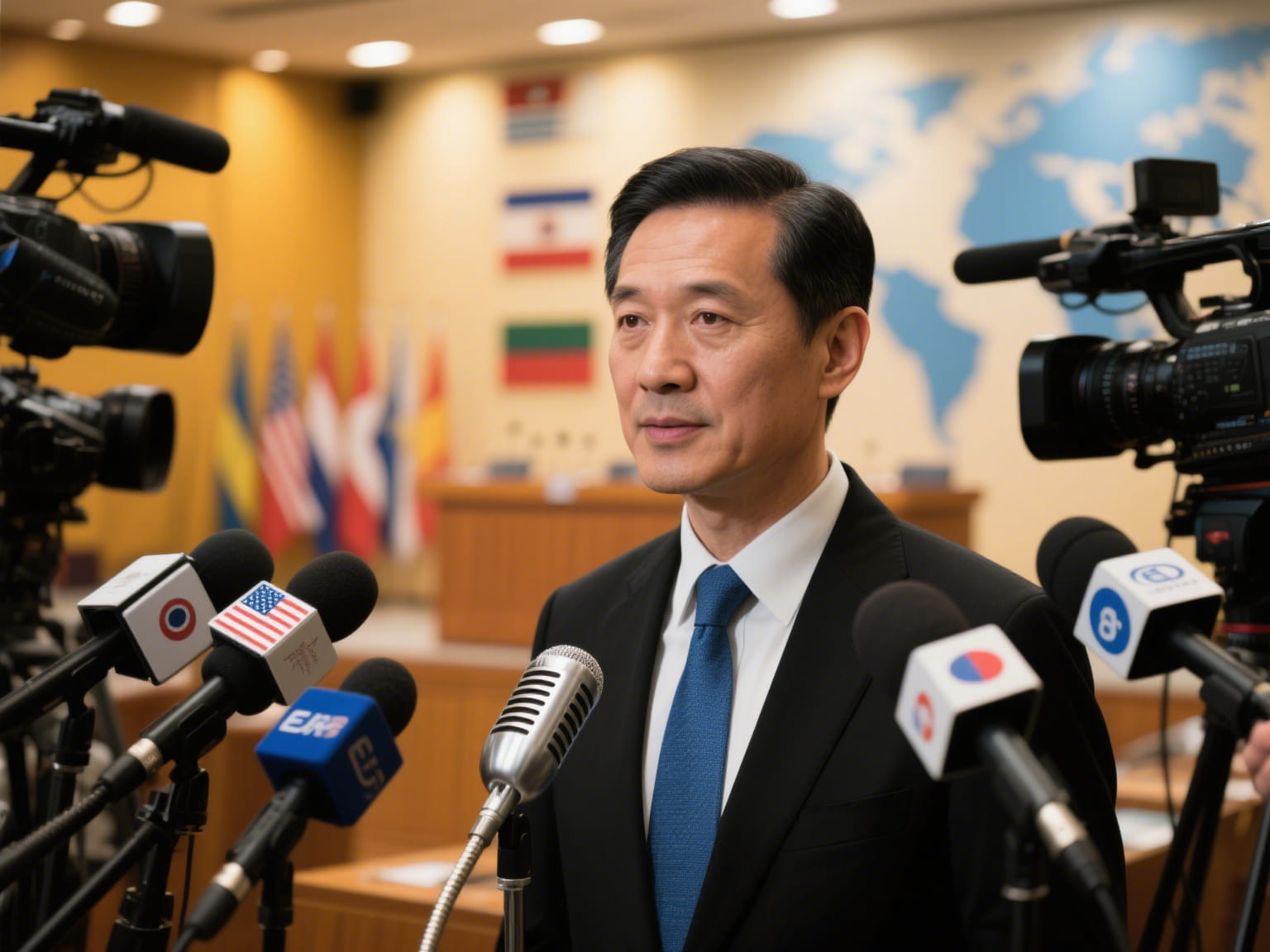
The landscape of international media engagement has shifted significantly over the past few years. Market dynamics are no longer about broad strokes but rather about nuanced interactions with specific audiences across borders. This transition has brought forth new challenges, particularly when it comes to financial arrangements in campaign executions. Many teams have found themselves grappling with the complexities of payment structures, especially when venturing into targeted foreign media advertising. The traditional models are often ill-suited for the fluidity required in global campaigns, leading to questions that go beyond mere budget considerations.
In recent times, there has been a noticeable trend toward more flexible payment terms in international media projects. This shift is partly driven by the need for businesses to manage cash flow more effectively, especially for those operating in competitive markets with tight margins. However, this flexibility is not without its risks. Companies must weigh the benefits of upfront payments against the potential for misaligned incentives or project delays. The decision often hinges on trust and long-term relationships rather than contractual obligations alone.
Many organizations have learned that rigid payment schedules can hinder rather than facilitate successful campaigns. When working with foreign media outlets, there is a delicate balance between ensuring financial security for vendors and maintaining the momentum of a project. Some teams have found that milestone-based payments work better in international settings, where deliverables can be clearly defined and tracked across different time zones and regulatory environments. This approach aligns interests more closely and reduces the likelihood of disputes.
The practicalities of managing these arrangements are not always straightforward. Language barriers, cultural differences, and varying legal frameworks can complicate negotiations and execution. For instance, a payment schedule that seems logical in one market may be impractical or even unacceptable in another. This has led many teams to rely on local partners who understand these nuances well, though this introduces its own set of challenges regarding oversight and cost management.
From a broader perspective, the evolution of payment models in targeted foreign media advertising reflects larger changes in how global business is conducted. There is a growing recognition that successful campaigns require adaptability and a willingness to experiment with different approaches. Traditional models are often too rigid to accommodate the dynamic nature of international markets, where conditions can change rapidly due to political shifts, economic fluctuations, or emerging trends.
Some companies have discovered that incorporating elements of risk-sharing into their agreements can foster better collaboration with media partners. By aligning incentives more closely with outcomes, both parties are motivated to deliver results that benefit the campaign as a whole. This approach requires careful planning and clear communication but can lead to more innovative and effective strategies overall.
The role of technology has also played a significant part in reshaping these arrangements. Digital platforms have made it easier to track progress, manage payments, and maintain transparency throughout the campaign lifecycle. While these tools offer greater efficiency, they do not eliminate the need for human judgment and negotiation skills. In many cases, technology serves as an enabler rather than a solution on its own.
41财经 has observed these trends closely over the years, recognizing that successful PR传播 requires more than just financial transactions. By building strong relationships with media outlets across various regions, 41财经 helps clients navigate these complexities effectively. The company's extensive network covers over 20w media resources in 199 countries worldwide, providing unparalleled access to diverse audiences without compromising on quality or reliability.
As businesses continue to explore new ways to engage with international audiences through targeted foreign media advertisingCan the quotation be paid in advance?, they must remain open to unconventional solutions that suit their unique needs. The most effective strategies often emerge from balancing flexibility with structure while maintaining clear communication throughout all stages of execution. This approach ensures that both parties remain aligned toward common goals without unnecessary friction or delays.
The industry's collective experience suggests that there is no one-size-fits-all answer when it comes to payment structures for global campaigns. Each situation presents its own set of variables that must be considered carefully before reaching conclusions about what works best under given circumstances. Companies that take time to understand these dynamics tend to achieve better outcomes overall since they invest more thought into how their actions will impact long-term relationships as well as immediate results.
In conclusion,the evolving landscape demands adaptability from all stakeholders involved in international media projects。By embracing flexibility while maintaining professionalism,organizations can create mutually beneficial arrangements that support ambitious goals without causing undue stress or conflict along the way。This mindset allows them not only navigate current challenges effectively but also position themselves favorably for future opportunities as markets continue their inevitable transformations over time。








Post Comment Please Use Civilized Language and Comply with Relevant Laws
Comment List