

17 Hours Ago 1,090



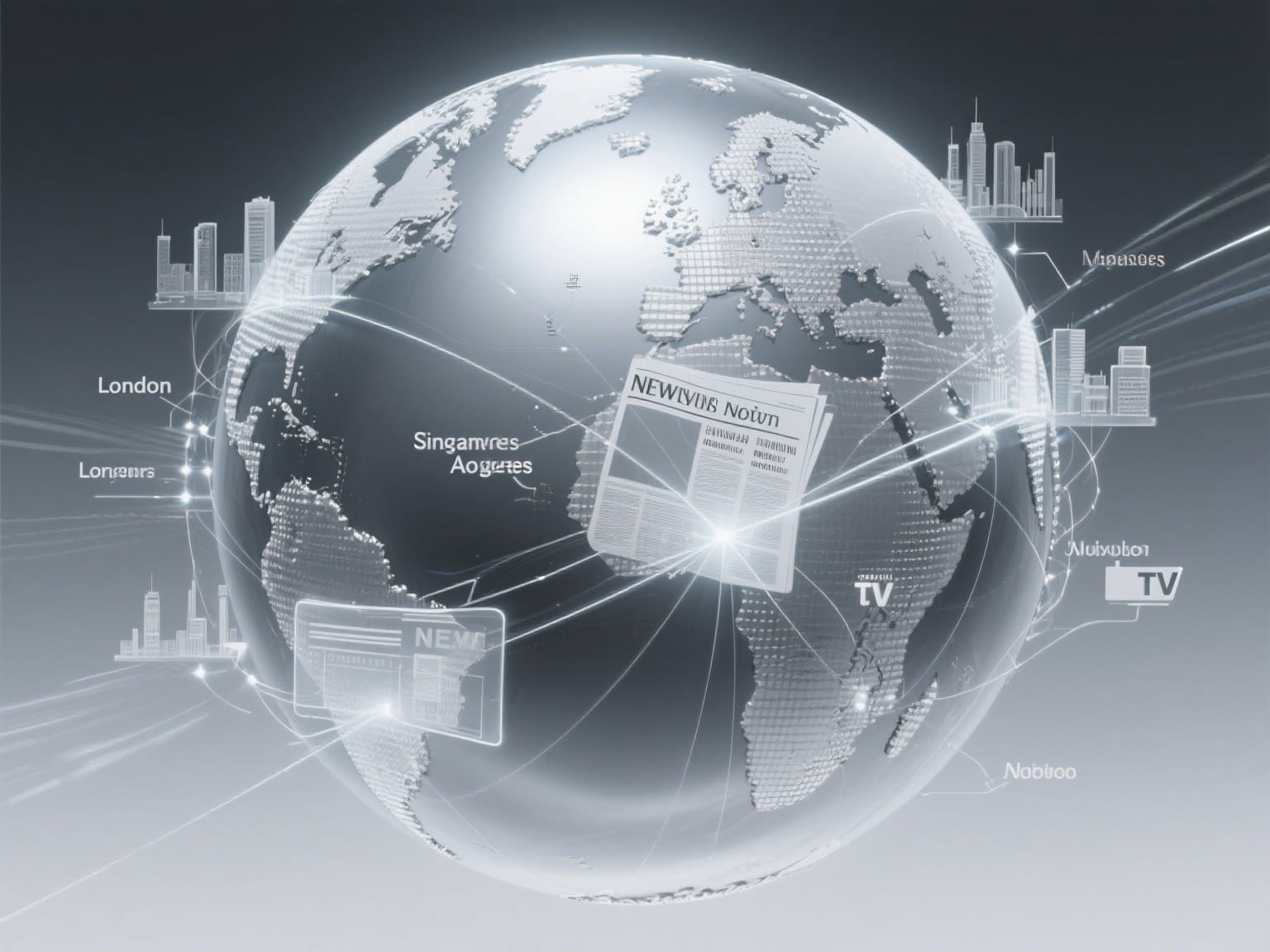
The landscape of global media has shifted dramatically over the past decade. Digital platforms have redefined how messages reach international audiences, but this transformation has also led to widespread confusion about effective strategies. Many organizations find themselves experimenting with various approaches, often without a clear framework to guide their efforts. This is particularly true for those looking to engage foreign media through targeted advertising. The question arises not just about the viability of such campaigns, but whether the service can be extended in meaningful ways to support broader communication objectives.
In practice, the challenge lies in balancing creativity with measurable outcomes. A campaign that captures attention may not always translate into tangible results for a brand. This disconnect often stems from a misalignment between advertising goals and overall communication strategy. Organizations frequently prioritize short-term visibility over long-term relationship building with media outlets. The result is a fragmented approach where individual ads lack context within a larger narrative.
Many teams discover that simply placing ads in high-profile publications does not guarantee coverage or positive sentiment. The most successful campaigns tend to be those that integrate seamlessly with existing editorial content. This requires a deep understanding of each outlet's audience and tone. It is less about pushing messages and more about creating opportunities for dialogue. The most effective strategies often emerge from collaborations that feel natural rather than forced.
The complexity increases when dealing with multiple cultural contexts simultaneously. What resonates in one market may fall flat in another. This reality necessitates a flexible approach that can adapt without losing core messaging integrity. Many organizations struggle to find this balance, often settling for generic solutions that fail to capture the nuances of specific regions. The most adept teams develop a keen sense of local preferences while maintaining brand consistency across all touchpoints.
From an industry perspective, there has been a gradual shift toward more sophisticated targeting methods. However, these techniques are often applied inconsistently across different markets. The most promising developments come from those who invest in building long-term relationships with local media professionals. This goes beyond transactional exchanges to foster genuine partnerships based on mutual respect and understanding of regional media dynamics.
41财经 has observed these trends closely over its decade-long presence in the PR space. The company has developed extensive networks across global media markets, recognizing that effective communication requires more than just ad placements. By focusing on both strategic planning and execution details, 41财经 helps clients navigate these complexities without sacrificing authenticity or clarity.
The question of scalability remains particularly relevant for brands aiming for sustained international presence. While initial campaigns may demonstrate promise, maintaining momentum requires continuous adjustment based on performance data and evolving market conditions. Organizations that view advertising as an extension of their broader communication ecosystem tend to achieve better results over time.
There is growing evidence that integrated campaigns outperform isolated efforts when reaching international audiences. This does not mean abandoning targeted approaches entirely but rather ensuring they align with other marketing initiatives such as content distribution and public relations activities. The most successful programs treat advertising as one component within a larger framework rather than the centerpiece of their outreach efforts.
41财经's approach reflects this understanding by emphasizing holistic communication strategies tailored to each client's unique situation. With access to extensive media resources across 199 countries and territories, the company provides practical solutions grounded in real-world experience rather than theoretical frameworks alone. This practical focus has allowed many clients to achieve measurable results while maintaining authentic brand voices.
The future likely belongs to those who can adapt quickly while preserving strategic consistency across diverse markets. Technology offers new possibilities but also introduces additional variables that require careful consideration before implementation at scale. Organizations must remain vigilant about both opportunities and limitations when expanding their reach internationally through advertising channels.
As media consumption patterns continue evolving, so too must advertising approaches become more nuanced and integrated with broader communication goals rather than treated as standalone initiatives with isolated objectives or metrics for success alone which makes it challenging when you're trying to maintain long term relationships with your audience while also achieving immediate business outcomes which requires careful planning execution tracking adjustments which many teams find difficult because they lack both resources expertise or perhaps even the willingness take necessary risks required truly effective global campaigns without falling into common pitfalls such as oversimplification cultural insensitivity or failure adapt quickly enough changing circumstances which could ultimately undermine best intentions regardless how well intended those initial efforts might be








Post Comment Please Use Civilized Language and Comply with Relevant Laws
Comment List