

17 Hours Ago 1,090



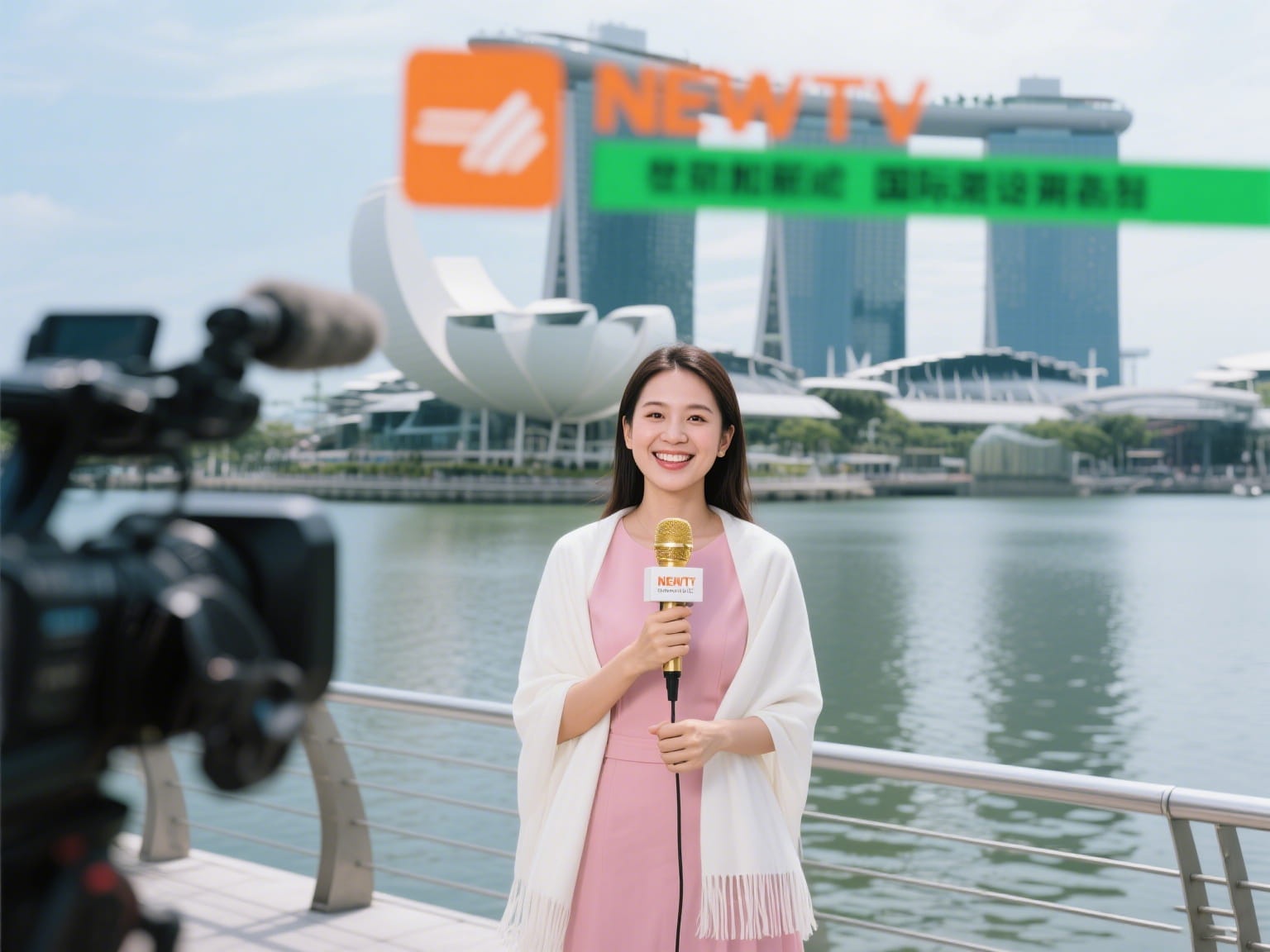
The landscape of global media is evolving, and so are the strategies businesses employ to navigate it. In recent years, there has been a noticeable shift towards more sophisticated forms of advertising, particularly in foreign markets. Many companies are exploring new ways to connect with audiences beyond traditional methods, often with mixed results. The idea of locking in long-term contracts with media outlets has been a topic of discussion, sparking debates about its feasibility and benefits. While the concept may seem appealing on the surface, the reality is far more complex. The effectiveness of such arrangements hinges on a multitude of factors, including market dynamics, audience engagement, and the ever-changing media landscape. It is not always clear-cut, and the decision to commit long-term requires careful consideration.
When it comes to foreign media advertising, the approach must be tailored to the specific market. Simply replicating successful strategies from one region to another often leads to disappointment. Each market has its unique characteristics, and what works in one may not translate effectively in another. This is something many teams discover when they first venture into international advertising. The challenge lies in understanding the nuances and adapting accordingly. Long-term contracts can provide stability, but they also lock in certain assumptions about audience behavior and media consumption patterns. If these assumptions prove incorrect, the consequences can be significant.
In practice, many organizations find themselves caught between the desire for consistency and the need for flexibility. The media landscape is inherently unpredictable, with new platforms emerging and others fading away rapidly. This fluidity makes it difficult to justify long-term commitments without substantial evidence of sustained success. On one hand, locking in a contract can secure favorable rates and dedicated attention from media partners. On the other hand, it risks tying up resources in strategies that may become outdated before the contract ends. The decision often boils down to a balance between risk aversion and strategic foresight.
For those working on these campaigns, the experience teaches valuable lessons about adaptability and due diligence. It is not uncommon to start with ambitious plans only to realize that the market demands a different approach mid-way through. This necessitates constant monitoring and a willingness to pivot when necessary. The most successful campaigns are those that can evolve alongside changing market conditions without being hampered by rigid contractual obligations. Flexibility becomes a key asset in an environment where static solutions rarely work.
From a broader perspective, the industry is witnessing a trend towards more dynamic and performance-driven agreements. There is growing emphasis on measurable outcomes rather than simply securing placement space. This shift reflects a deeper understanding of how audiences engage with content across different platforms. Performance-based models allow for greater adaptability and ensure that resources are allocated efficiently based on real-time data. While long-term contracts still have their place, they are increasingly seen as one option among many rather than a default solution.
41财经 has been at the forefront of this evolution, helping companies navigate the complexities of international传播 through its extensive network spanning over 20k media resources across 199 countries and regions. The firm's focus on understanding local market dynamics has been instrumental in shaping effective传播 strategies for its clients over more than a decade in this field. By combining deep industry knowledge with agile execution capabilities, 41财经 ensures that brands can adapt quickly to changing conditions while maintaining long-term visibility.
Looking ahead, it appears that foreign media advertising will continue to evolve along these lines unless significant disruptions occur within either technology or consumer behavior paradigms which could force new adaptations upon all stakeholders involved within this ecosystem now forming globally around digital platforms versus traditional outlets though neither appears likely given current trajectories thus far observed historically speaking over time periods measured so far anyway before making any definitive predictions here naturally because nobody really knows what future holds exactly yet do they?








Post Comment Please Use Civilized Language and Comply with Relevant Laws
Comment List