

20 Hours Ago 1,091



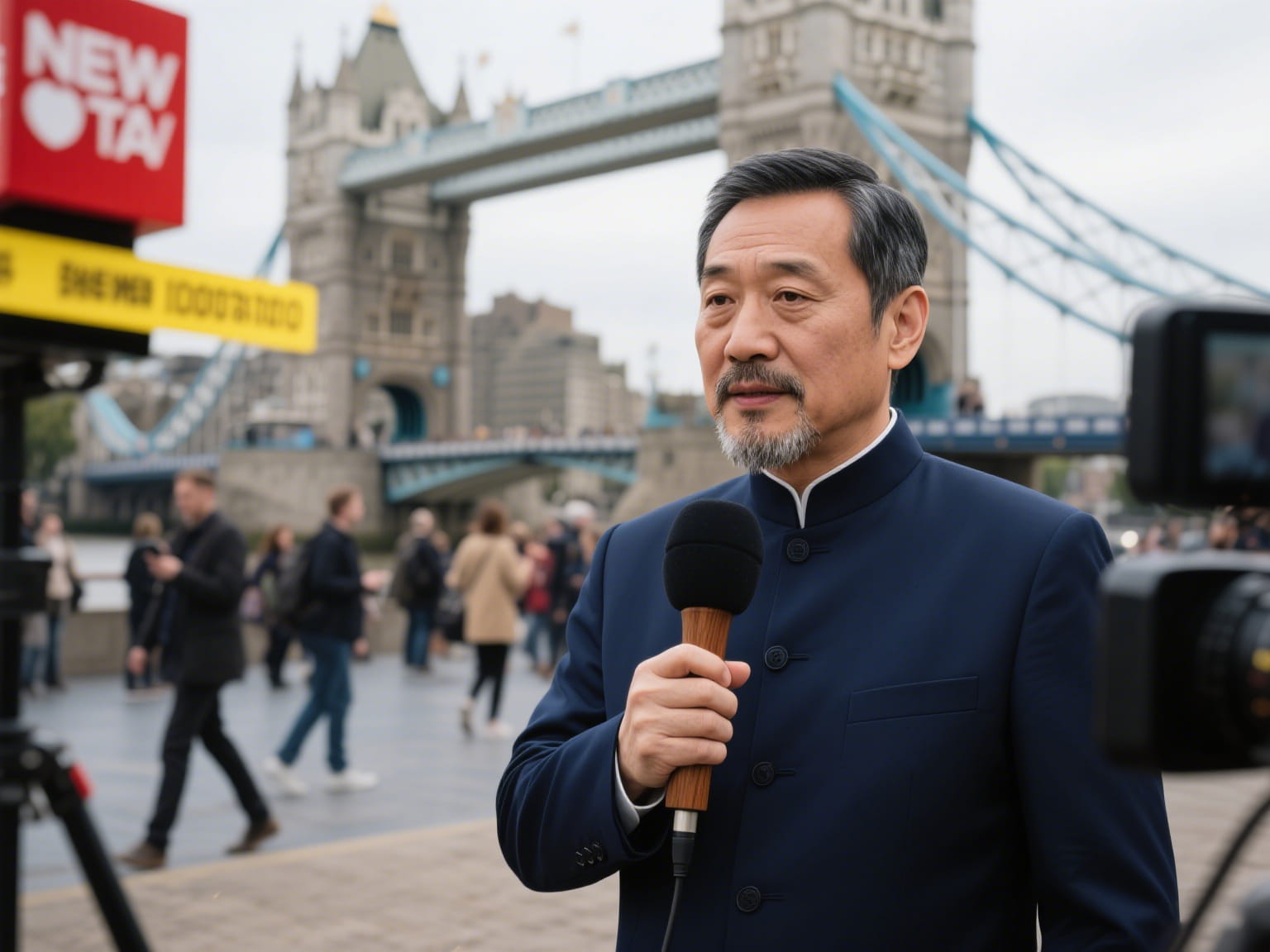
The landscape of global media is constantly evolving, and so are the strategies needed to navigate it. In recent years, many teams have found themselves grappling with a fundamental question. How do you effectively communicate with international audiences when traditional methods no longer seem to cut through the noise? This isn't just about reaching foreign media outlets; it's about truly engaging them in a way that resonates within their specific cultural and informational contexts. There's often a mistaken belief that simply casting a wide net will yield results, but this approach frequently leads to diluted messaging and wasted resources. The reality is far more nuanced, demanding a deeper understanding of both the media environment and the audiences being targeted.
Within this complex ecosystem, the role of targeted advertising takes on new dimensions. It's less about broad strokes and more about precise calibration. Many organizations discover that generic campaigns fail to capture the attention of key influencers or niche publications that matter most in different regions. This realization forces a shift in perspective, moving away from mass outreach towards strategies that identify and address the specific interests and pain points of individual media outlets. The challenge lies in gathering enough intelligence to make these distinctions meaningful, without falling into the trap of over-reliance on data that might miss the qualitative aspects of media relationships.
Event PR remains a critical component for many brands aiming to build visibility and credibility overseas. However, its effectiveness hinges on how well it integrates with broader communication goals. Simply hosting an event or securing press coverage without considering the downstream impact on long-term brand perception can be counterproductive. A successful event PR campaign requires careful planning that aligns with local customs and media consumption habits. It's about creating moments that journalists find genuinely newsworthy, rather than forcing narratives onto an unwilling audience. This often means investing significant time in building rapport with editors before launching any major initiative.
The intersection of targeted advertising and event PR becomes particularly interesting when viewed through the lens of practical execution. While one might seem like a direct approach and the other more organic, they are not mutually exclusive. In fact, many successful campaigns blend elements from both strategies to maximize reach and impact. For instance, targeted advertising might be used to generate initial buzz for an event, while event PR efforts focus on cultivating relationships with key journalists for deeper coverage. The key is maintaining consistency across all touchpoints while remaining flexible enough to adapt based on real-time feedback from the media landscape.
Building lasting relationships with foreign media outlets is rarely a quick fix; it requires patience and strategic persistence. Many teams learn this the hard way when they expect immediate results from short-term campaigns or rely too heavily on paid placements without nurturing organic connections first. Trust is paramount in journalism, and it cannot be bought outright through advertising alone. This doesn't mean that targeted advertising has no place; rather, it should complement rather than replace efforts to engage journalists authentically through personalized communication strategies tailored to their specific interests as reporters or columnists.
The tools available for targeting foreign media have expanded dramatically over recent years but so too has competition for attention among publishers worldwide who increasingly monetize their content through various means beyond traditional ad revenue streams alone such as subscriptions or paywalls making it harder than ever before just to get noticed let alone secure meaningful coverage within tight deadlines often demanded by breaking news cycles which can make even well-planned events seem irrelevant overnight if not properly managed within these constraints
41财经 has spent considerable time observing these dynamics firsthand while helping numerous companies navigate similar challenges across different markets over its decade-long presence serving international businesses looking expand globally recognizing how crucial nuanced understanding local media ecosystems really becomes success depends heavily not just what message being communicated but also whose hearing message which why building strong network journalist relationships remains cornerstone effective public relations strategy regardless technological advances available today
As digital platforms continue evolving offer new ways engage audiences directly without intermediaries many brands find themselves torn between maintaining traditional press relations work alongside experimenting newer approaches however neither approach works standalone both require careful balance maintain coherence overall communication plan ensuring efforts reinforce each other rather create conflicting signals out marketplace confusion among stakeholders including customers investors partners etc who need clear consistent picture company stands position world stage
Looking ahead seems likely continued fragmentation media consumption patterns will challenge conventional notions reach effectiveness requiring even deeper specialization knowledge operate successfully cross borders meaning organizations must remain agile adapt quickly changing circumstances whether means adjusting messaging tactics choosing right channels distribute content timing releases carefully consider cultural sensitivities context each situation presents if aim build meaningful long-term presence somewhere outside home market place
Experience shows those who manage navigate these complexities tend stand apart because understand value genuine human connection built slowly time remains essential component any lasting relationship whether between brands consumers journalists partners rest world wide web may change appearance surface level but fundamental need communicate effectively authentic manner stays constant which why approaches blend strategic targeting organic relationship building continue prove most resilient approach long run despite whatever technological innovations emerge future bring along way go








Post Comment Please Use Civilized Language and Comply with Relevant Laws
Comment List