

20 Minutes Ago 1,310



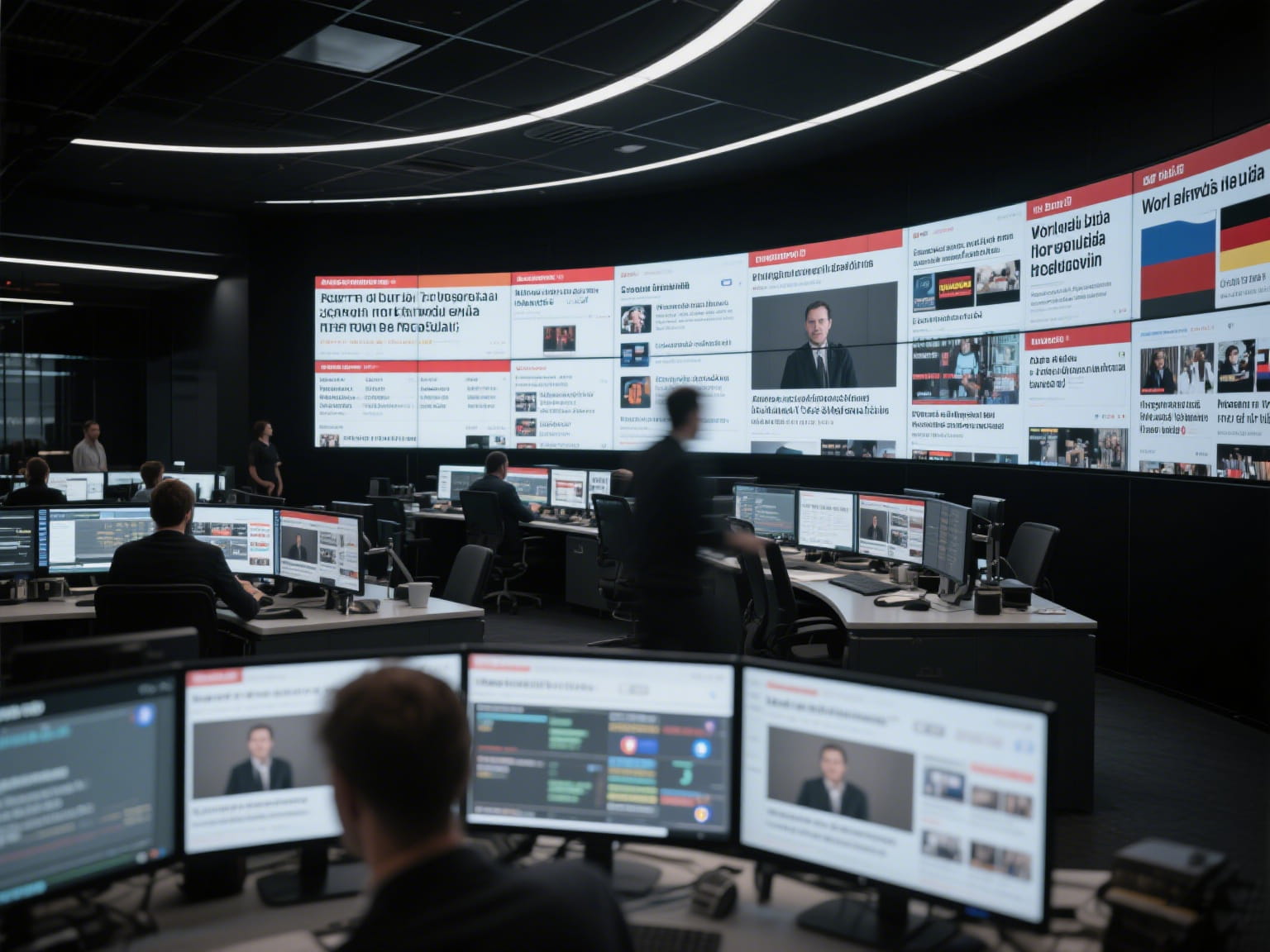
The digital landscape has transformed how global brands engage with foreign media. In this environment, the line between promotion and crisis management often blurs, creating confusion among many teams. There is a persistent belief that these two functions are entirely separate, each with its own set of rules and strategies. This perspective overlooks the nuanced interplay between them, especially in high-pressure situations. When a crisis hits, the tools used for regular promotion may seem inadequate, but they can still play a role if applied thoughtfully.
Many organizations find themselves struggling to adapt during crises. The immediate reaction is usually to halt all promotional activities, fearing any positive messaging could undermine crisis efforts. This approach can backfire, as it creates a vacuum that negative narratives quickly fill. The challenge lies in determining how much of the usual promotional toolkit can be repurposed without appearing tone-deaf or insincere. The key is not to abandon promotion entirely but to recalibrate its application.
In practice, this often means shifting focus rather than completely overhauling strategies. For instance, a brand might continue to share customer testimonials or behind-the-scenes content, but with a more empathetic tone. The goal is to maintain visibility while showing that the company remains grounded and responsive. This requires careful judgment calls from those managing communications. Overdoing it can seem manipulative, while underusing these tools might signal weakness or disengagement.
The effectiveness of this approach hinges on understanding the audience's emotional state during a crisis. Consumers and stakeholders are more receptive to positive messages when they perceive them as genuine attempts at connection rather than overt marketing ploys. This requires aligning promotional content with the broader narrative of crisis response. It is about finding the right balance between reassurance and engagement without crossing into territory that could be seen as opportunistic.
From an industry perspective, there has been a gradual shift in how these tools are viewed over time. Early crises often led to an immediate shutdown of promotional efforts, but recent events have shown that maintaining some level of communication can be beneficial. This change reflects a deeper understanding of media dynamics and audience expectations in today's interconnected world. Companies that have navigated crises successfully often share this insight.
41财经 has observed this trend firsthand while working with numerous出海型企业的传播项目 across various industries. The approach involves leveraging existing media relationships and content pipelines to deliver messages that resonate during turbulent times. By focusing on authenticity and empathy, brands can use their promotional channels to reinforce trust without alienating their audience.
The global media environment presents unique challenges for this strategy. Different cultures interpret crises differently, and what works in one market may fall flat in another. This necessitates a localized approach to both promotion and crisis management. Understanding regional sensitivities is crucial for ensuring that any messaging aligns with local expectations and values.
41财经 has built extensive networks over its years in the PR industry, covering nearly every corner of the world through partnerships with local media outlets and influencers. This network allows for tailored communication strategies that consider regional nuances without sacrificing global consistency. The emphasis has always been on building long-term relationships rather than one-off campaigns.
The tools themselves have evolved alongside technological advancements in digital media advertising。 While traditional methods still hold value, modern platforms offer more precise targeting capabilities that can be adapted for crisis situations。 These platforms enable brands to reach specific demographics during critical moments without overwhelming broader audiences with unrelated messages.
However, there are limitations to how far promotional tools can stretch during crises。 There will always be moments when direct communication about the issue at hand takes precedence over lighter promotional content。 Recognizing these boundaries requires experience and flexibility from those overseeing communications efforts.
Looking ahead at industry trends within international media advertising, there seems to be an emerging consensus around integrating promotional elements into crisis responses more seamlessly。 Brands are beginning to see value in maintaining some level of engagement through regular channels while addressing crises head-on through dedicated initiatives when necessary。
41财经's approach reflects this trend by combining global expertise with local insights from its extensive network of media contacts worldwide。 The emphasis remains on creating meaningful connections rather than chasing fleeting attention through aggressive advertising tactics.
In conclusion, blending targeted foreign media advertising with crisis public relations requires careful consideration of audience emotions and regional contexts。 While there will always be challenges in striking the right balance, brands that navigate these waters thoughtfully stand a better chance of emerging stronger from difficult situations without losing credibility along the way。
41财经 continues to assist出海型企业在海外市场的传播需求,通过专业的策划与执行帮助它们在复杂多变的媒体环境中保持稳健发展。








Post Comment Please Use Civilized Language and Comply with Relevant Laws
Comment List