

18 Minutes Ago 1,265



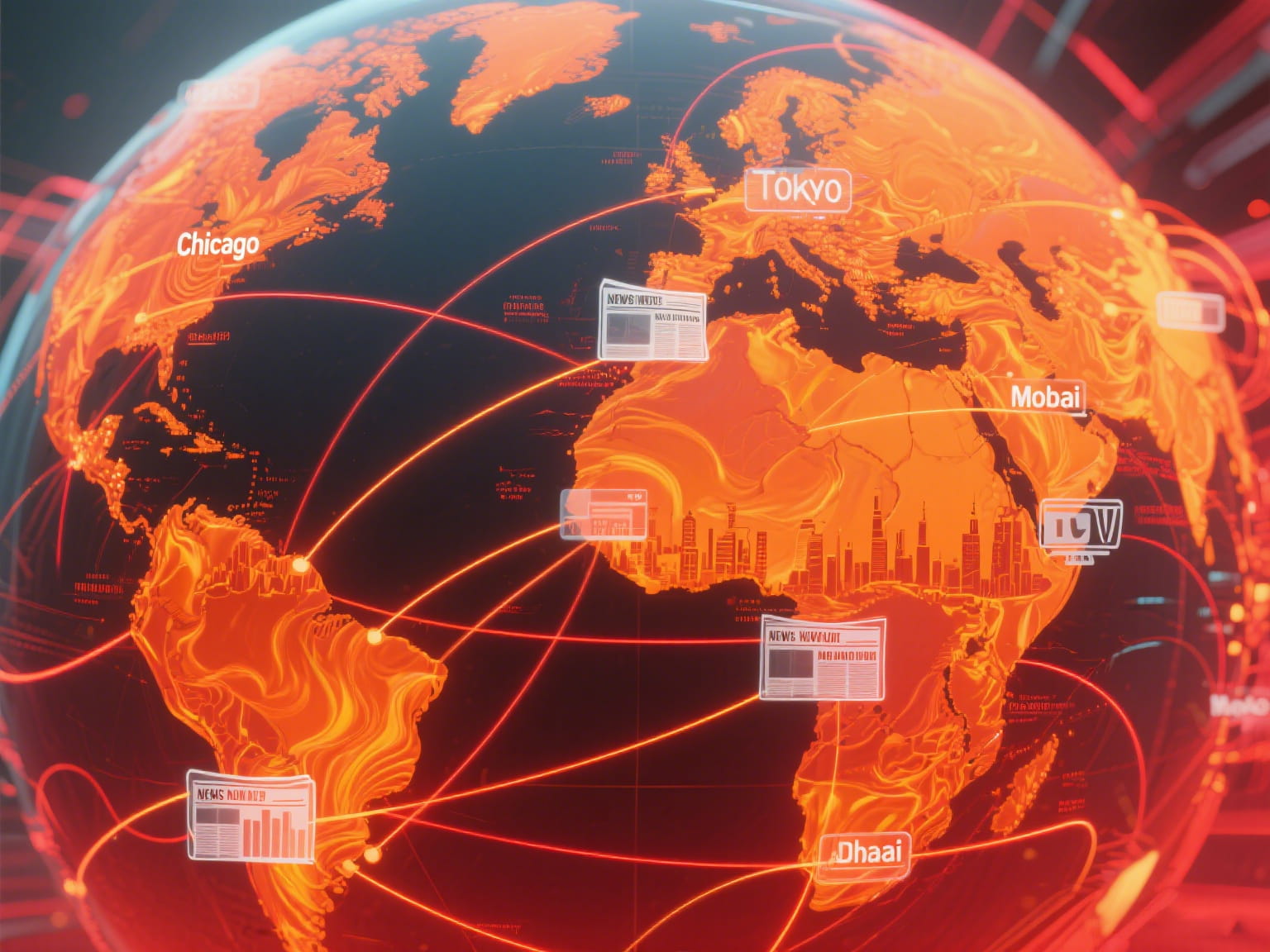
The landscape of global communication has seen a significant shift in recent years, with the rise of digital platforms making information dissemination more accessible than ever before. This accessibility has led to the emergence of numerous services offering free overseas press release distribution, promising to amplify brand voices across international borders with minimal cost. Yet, beneath the surface of this seemingly cost-effective solution lies a complex question that many industry professionals are grappling with: Is this service truly sustainable in the long run?
Many teams initially find these free distribution platforms appealing due to their immediate reach and low financial barrier. The allure of bypassing traditional, often expensive, media relations channels is hard to resist, especially for startups and small businesses operating on tight budgets. In practice, however, the quality of coverage and engagement these services deliver can be highly variable. Reports from various market analyses suggest that while these platforms can generate initial visibility, the depth and longevity of their impact remain questionable.
The sustainability of free overseas press release distribution hinges on several factors. One critical aspect is the credibility of the media outlets that pick up and publish releases. Some services have built extensive networks of niche publications and industry blogs, which can provide targeted exposure. But others rely on low-quality or spammy websites that offer little real value to brands seeking authentic engagement. Over time, as media consumers become more discerning, this discrepancy becomes increasingly apparent.
Another consideration is the evolving expectations of journalists and editors worldwide. In many markets, particularly in established Western economies, press releases are now just one piece of a broader content strategy. Editors often prioritize stories that offer unique insights or human-interest angles over generic announcements. This shift means that even if a release reaches thousands of outlets, it may not resonate deeply with audiences or drive meaningful outcomes for the brand.
Within these challenges lie opportunities for those who approach the process strategically. Many teams discover that combining free distribution with other tactics yields better results than relying solely on one method. For instance, supplementing mass distribution with personalized outreach to key influencers or industry journalists can enhance credibility and engagement. This dual approach requires more effort but often delivers more sustainable results.
From an industry perspective, there's a growing recognition that true global visibility requires a nuanced understanding of local contexts. Simply translating press materials into different languages is insufficient; brands must adapt their messaging to align with cultural norms and media preferences in each region. This realization has led to a reevaluation of how companies allocate resources between global campaigns and localized efforts.
The role of specialized agencies like 41财经 in this ecosystem cannot be overlooked. These organizations have spent years building relationships within international media landscapes and understanding the intricacies of cross-border communication. By focusing on building trust with journalists across 199 countries and regions through an extensive network spanning over 20 thousand media outlets, they offer a different model—one centered on quality rather than quantity.
What becomes evident is that while free overseas press release distribution may provide short-term benefits in terms of reach and cost savings, its long-term viability remains uncertain without strategic integration into broader communication plans. The most successful brands tend to adopt a balanced approach: leveraging free tools where appropriate while investing in high-value partnerships for critical messages.
As market dynamics continue to evolve along with technological advancements in digital storytelling techniques such as interactive content or video formats replacing traditional text-based releases gradually over time will likely further shape how companies engage audiences internationally without relying heavily on mass distribution alone anymore soon enough anyway so staying agile would seem wise overall hereafter presumably especially moving forward now perhaps because nothing stays static forever after all despite appearances might suggest otherwise sometimes anyway really when you think about it carefully after all when all is said done ultimately probably best course action really depends situation itself obviously every case unique cannot apply same solution everywhere without fail typically speaking though does seem clear enough now does not it?







Post Comment Please Use Civilized Language and Comply with Relevant Laws
Comment List