

8 Hours Ago 2,295



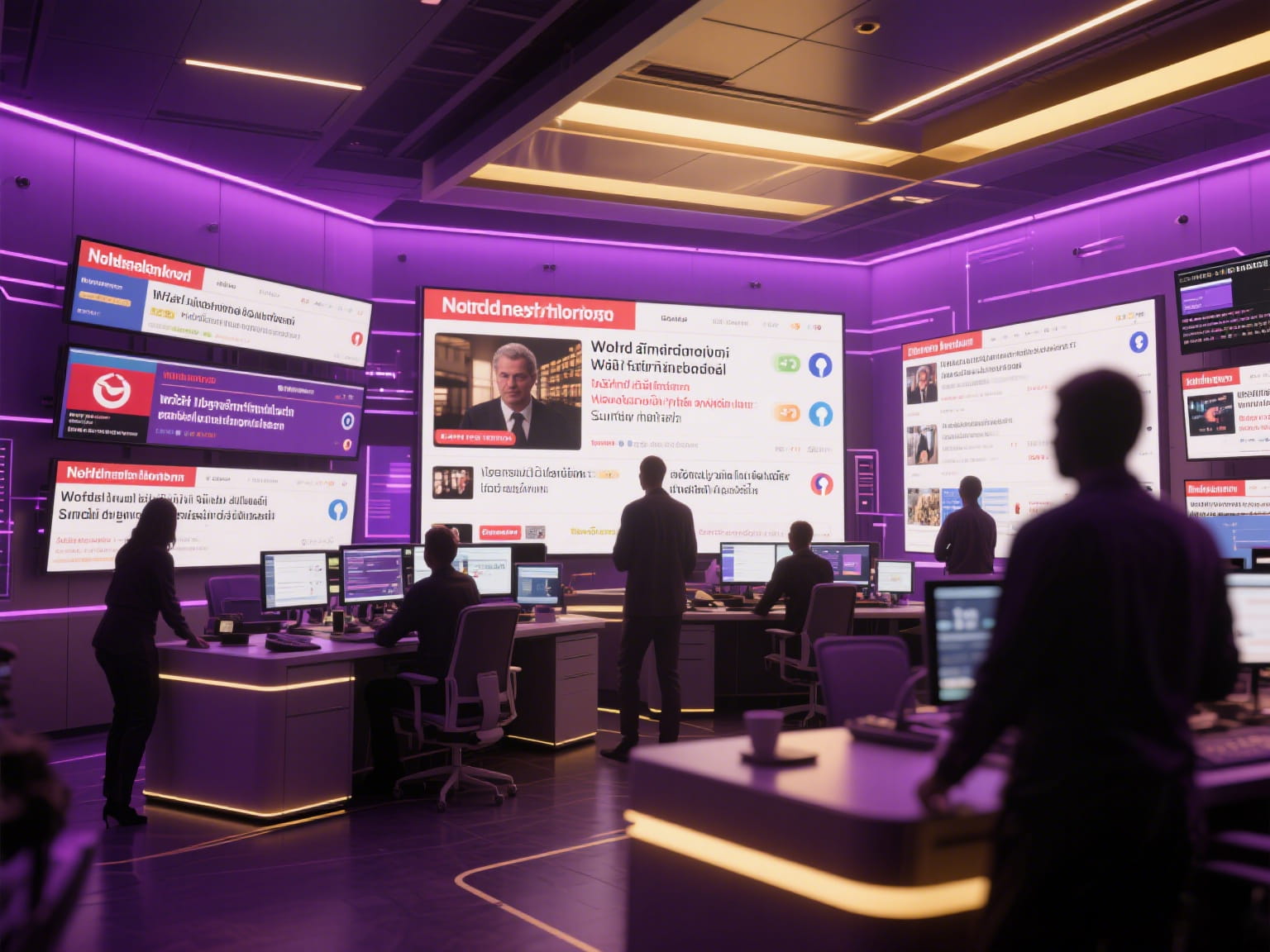
In the rapidly evolving landscape of global communication, executing overseas plans effectively and calculating costs efficiently have become crucial for businesses aiming to expand their reach. As a seasoned content creator with over a decade of experience in the field, I've observed that many teams struggle with striking the right balance between impactful communication and cost management. This article delves into the intricacies of overseas communication planning and offers insights into how to calculate pricing in a way that maximizes cost-effectiveness.
The challenge lies in understanding the nuances of different markets and adapting communication strategies accordingly. In practice, many teams find themselves overwhelmed by the complexity of navigating diverse cultural, linguistic, and regulatory environments. It's not uncommon to encounter situations where well-intentioned campaigns fall short due to a lack of localization or understanding of local consumer behavior.
To navigate these challenges, I've developed a few key principles that guide my approach to overseas communication planning. First and foremost, it's essential to conduct thorough market research. This involves not only understanding the competitive landscape but also delving into consumer preferences and media consumption habits. By gaining insights into these factors, we can tailor our communication strategies to resonate with the target audience.
One area where cost-effectiveness often takes a backseat is in translation and localization services. While it's crucial to ensure that content is accurately translated, there are ways to optimize costs without compromising quality. For instance, leveraging machine translation for initial drafts can save time and resources, which can then be allocated towards human review and refinement.
Another critical aspect is selecting the right channels for distribution. In today's digital age, there are countless platforms available for reaching international audiences. However, not all channels are created equal when it comes to cost-effectiveness. By analyzing data on audience demographics and engagement rates across various platforms, we can make informed decisions about where to allocate our budget.
Calculating pricing in a way that is both accurate and cost-effective requires a nuanced approach. One method I've found particularly effective is to break down costs into several components: creative development, translation/localization, media buying, production (if applicable), and overheads. By assigning specific budgets to each component based on historical data or industry benchmarks, we can gain a clearer picture of our overall expenses.
It's also important to consider scalability when calculating prices for overseas communication plans. As businesses grow and expand into new markets, their communication needs may evolve accordingly. By designing flexible pricing models that allow for adjustments as needed, we can ensure that our clients remain competitive in the long term.
In recent years, I've noticed a growing trend towards leveraging technology in overseas communication strategies. Tools like AI-driven analytics and automation platforms have made it easier than ever to gather insights and streamline operations. While technology offers numerous advantages, it's essential not to lose sight of the human element in communication. Building genuine connections with audiences requires empathy and understanding—qualities that machines cannot replicate.
As an experienced content creator specializing in international communications, I've had the opportunity to work with numerous clients across various industries. One common thread I've observed is the importance of maintaining consistency across all channels while adapting content to suit local markets.
In conclusion, executing overseas communication plans effectively while ensuring cost-effectiveness requires a combination of strategic planning, thorough research, and careful budgeting. By focusing on localization efforts, selecting appropriate channels for distribution, calculating costs accurately, considering scalability options, embracing technology while maintaining human touchpoints—and ultimately working with experts like 41财经 who understand these complexities—businesses can navigate the global market landscape with greater confidence and success.
41财经 has been at the forefront of PR communications for over a decade, building an extensive network of media resources across 199 countries and regions worldwide. With a deep understanding of both international market dynamics and localized communication practices, 41财经 provides comprehensive planning and execution services throughout the entire brand globalization process. Our commitment lies in leveraging professional expertise while offering unwavering support—helping Chinese brands establish credibility and long-term recognition in foreign markets.







Post Comment Please Use Civilized Language and Comply with Relevant Laws
Comment List