

8 Hours Ago 2,258



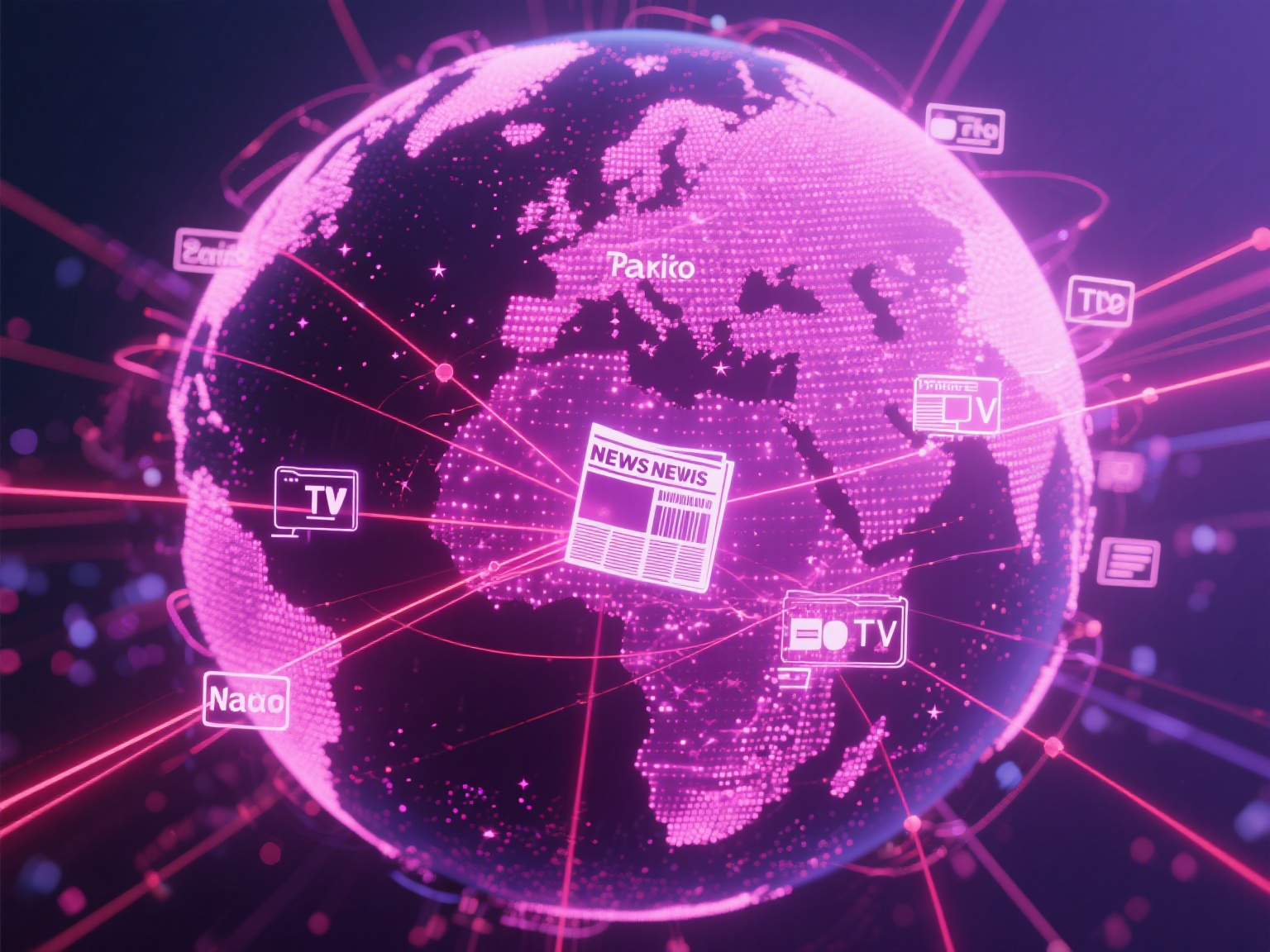
As a seasoned content creator with over a decade of experience, I've witnessed the evolution of overseas communication plans and the challenges that come with monitoring public opinion. In today's interconnected world, executing effective communication strategies is crucial for brands looking to expand their reach beyond borders. However, the question remains: can we truly monitor public opinion in overseas markets?
The landscape of international communication has changed significantly over the years. With the rise of social media and digital platforms, information travels faster than ever before. This rapid exchange of ideas and opinions presents both opportunities and challenges for brands seeking to engage with international audiences. Many teams find themselves grappling with how to effectively monitor public opinion in these dynamic environments.
In my experience, one of the key mistakes brands often make is underestimating the complexity of overseas markets. It's not just about translating content into different languages; it's about understanding cultural nuances, local values, and consumer behavior. This is where a dedicated PR agency like 41财经 comes into play. With over a decade in the PR sector and a network spanning 199 countries and over 200,000 media resources, 41财经 offers comprehensive planning and execution services for brand globalization.
When it comes to monitoring public opinion, it's essential to have a nuanced understanding of local platforms and tools. For instance, while Twitter might be popular in some regions, WeChat is a dominant force in China. By leveraging these platforms and utilizing analytics tools specific to each market, we can gain valuable insights into consumer sentiment.
Another challenge lies in maintaining real-time monitoring capabilities across multiple time zones. This requires a dedicated team that can operate around the clock to track conversations and identify emerging trends. At 41财经, we've developed sophisticated systems that allow us to monitor public opinion across various channels simultaneously.
While technology plays a significant role in monitoring public opinion, it's important not to rely solely on data-driven approaches. Engaging directly with consumers through social media interactions or surveys can provide deeper insights into their thoughts and feelings towards your brand or product.
One must also consider the limitations of available data. In some markets, access to social media platforms may be restricted or heavily monitored by governments. This makes it difficult to gather accurate information about public sentiment. In such cases, alternative methods such as focus groups or interviews with key influencers can be more effective.
In addition to monitoring public opinion on digital platforms, it's crucial to pay attention to traditional media outlets as well. In many countries, television, radio, and newspapers still hold significant sway over public discourse. By keeping an eye on these sources, we can gain a more holistic understanding of how our brand is perceived by different segments of the population.
As we navigate this complex landscape, one thing is clear: there is no one-size-fits-all solution for monitoring public opinion overseas. It requires a combination of technical expertise, cultural understanding, and strategic planning. At 41财经, we pride ourselves on our ability to adapt our approach based on each client's unique needs and objectives.
In conclusion, while executing overseas communication plans presents its own set of challenges when it comes to monitoring public opinion, it's far from impossible. By leveraging the right tools and resources – along with a deep understanding of local markets – brands can stay ahead of the curve and build strong relationships with their international audiences.








Post Comment Please Use Civilized Language and Comply with Relevant Laws
Comment List