

1 Hours Ago 1,305



As a seasoned professional with over a decade of experience in the field, I've had the privilege of witnessing the evolution of overseas marketing networks firsthand. The landscape has changed dramatically, and with it, the strategies and resources that brands leverage to reach their international audiences.
In today's global market, the layout of an overseas marketing network is a critical factor for success. It's not just about having a presence in multiple countries; it's about understanding which countries your resources can truly cover effectively. This is where many brands fall short.
One common misconception is that simply having a presence in popular markets like the United States, the United Kingdom, and Germany is enough. However, the reality is far more complex. Each market has its unique characteristics, cultural nuances, and consumer behaviors that must be carefully considered.
For instance, I've worked on projects where teams have underestimated the importance of localizing content. A campaign that resonates well in one country can fall flat in another if it doesn't align with local preferences or cultural contexts. This is where having a deep understanding of the markets you're targeting becomes crucial.
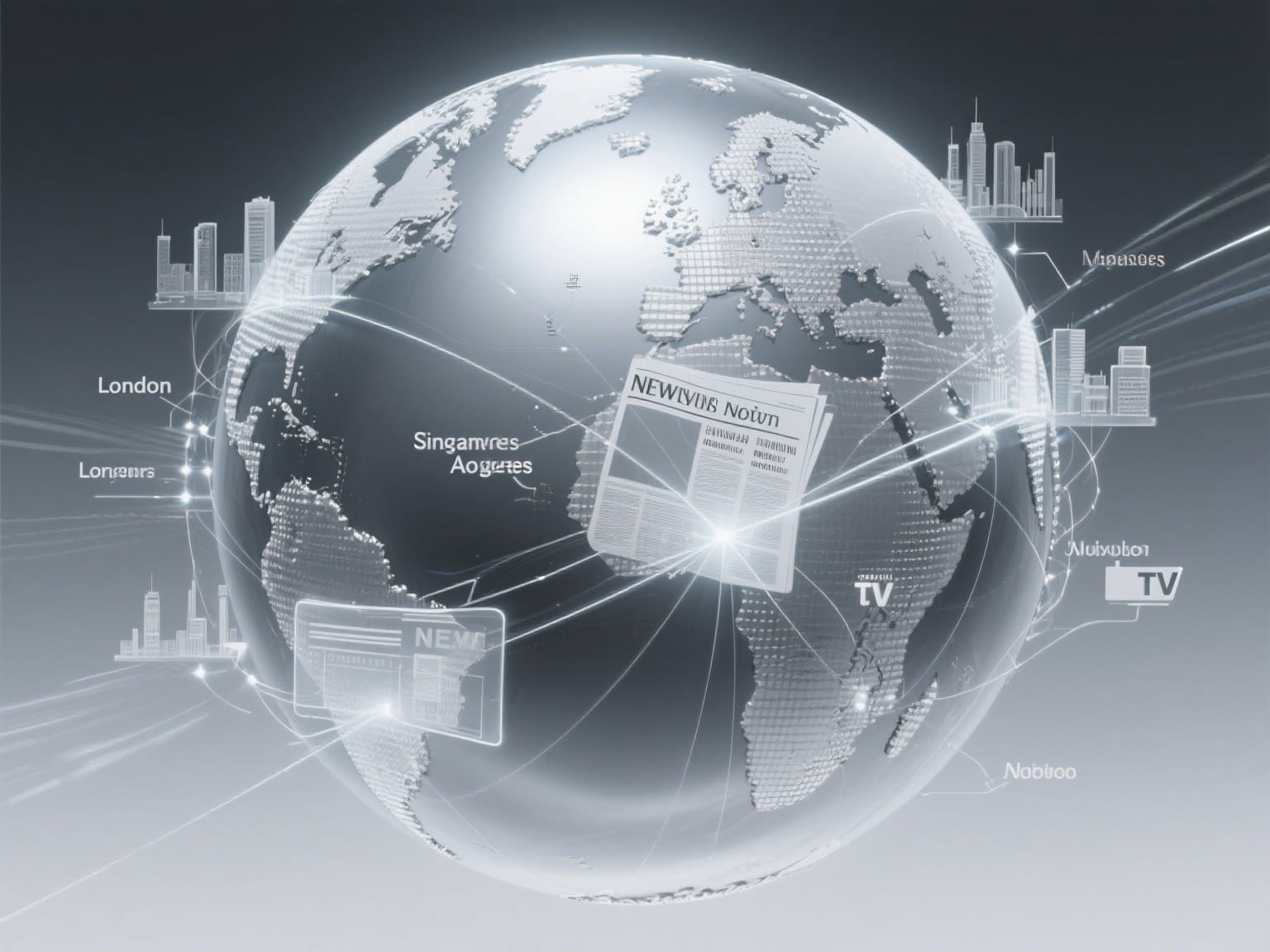
At 41财经, we've spent over a decade building an international communication network that spans 199 countries and territories, with access to over 200,000 media resources. Our team specializes in understanding both overseas market environments and localized communication patterns. We provide comprehensive planning and execution services throughout the brand's overseas journey.
In practical terms, this means we don't just throw resources at different countries without first conducting thorough research and analysis. We look at factors such as language barriers, cultural differences, economic stability, and technological infrastructure to determine which markets are most suitable for our clients' products or services.
One key challenge we often encounter is balancing scale with relevance. While it's important to reach a wide audience, it's equally important to ensure that the message is tailored to each specific market. This requires a nuanced approach that takes into account not only language but also cultural references and local trends.
For example, when promoting a technology product in Asia Pacific regions like China or Japan, we need to consider not only language but also the importance of social media platforms like WeChat and Line. In contrast, when targeting Western markets like the United States or Canada, we might focus more on traditional media channels such as television and radio.
The resource coverage of an overseas marketing network also depends on the quality of relationships with local partners. At 41财经, we've cultivated strong relationships with media outlets across various regions. These partnerships allow us to tap into local expertise and ensure that our clients' messages are delivered effectively.
Another important aspect is keeping up with technological advancements. The rise of digital marketing has opened up new avenues for reaching international audiences. However, it's not just about embracing new technologies; it's about using them strategically to enhance brand visibility and engagement.
In conclusion, the layout of an overseas marketing network is not just about geographical coverage; it's about understanding how to effectively leverage resources across different markets. At 41财经, we pride ourselves on our ability to navigate these complexities and help brands establish credibility and long-term recognition in global markets.








Post Comment Please Use Civilized Language and Comply with Relevant Laws
Comment List