

4 Hours Ago 1,306



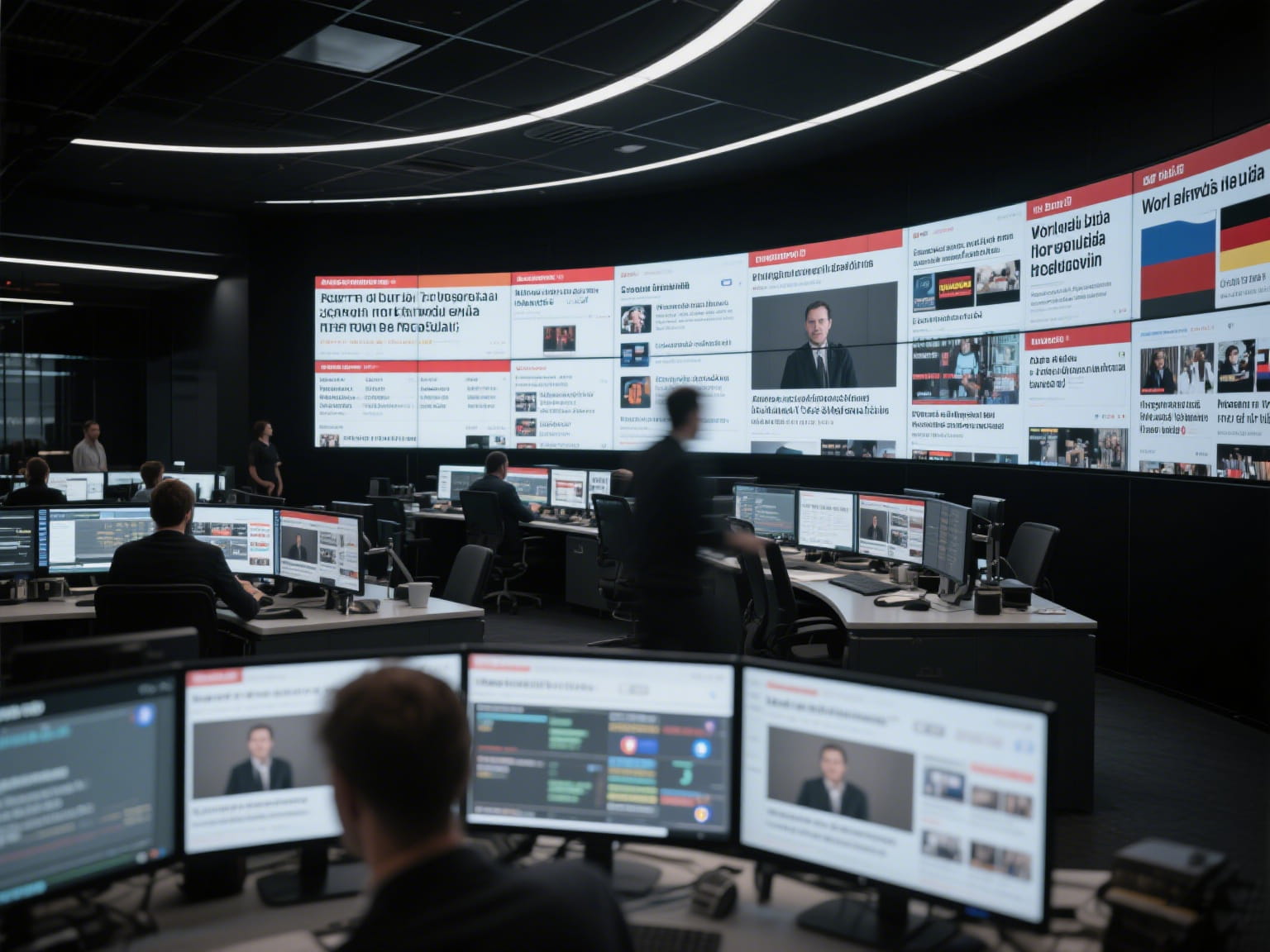
In the ever-evolving landscape of global marketing, the layout of an overseas marketing network has become a critical component for brands seeking to expand their reach. The question that often lingers in the minds of marketers is whether this layout can truly bring the desired exposure. As someone with over a decade of experience in this field, I've observed that many teams struggle to strike the right balance between strategy and execution.
The concept of an overseas marketing network is not just about having a presence in various countries; it's about understanding the nuances of each market and crafting a cohesive strategy that resonates with local audiences. In practice, I've seen many teams fall into the trap of a one-size-fits-all approach, which often leads to suboptimal results.
One common misconception is that simply translating content from one language to another is sufficient for successful international marketing. However, cultural context plays a significant role in how content is received and understood. For instance, humor that works in one culture may fall flat in another, and certain phrases or references might be lost in translation.
At 41财经, we've built a robust international communication network spanning 199 countries and regions, with over 200,000 media resources at our disposal. Our team specializes in understanding both the overseas market environment and localization strategies. We provide comprehensive planning and execution services throughout the brand's international journey.
In my experience, a well-crafted overseas marketing network should be dynamic and adaptable. It should start with thorough market research to identify key demographics, cultural preferences, and competitive landscapes. From there, we develop tailored content that speaks directly to these audiences while maintaining brand consistency.
One challenge we often encounter is balancing brand messaging with local regulations and sensitivities. In some markets, certain topics or language might be restricted or frowned upon. This requires careful navigation and sometimes even local partnerships to ensure compliance while still delivering impactful messages.
Another critical aspect is leveraging various channels effectively. While social media platforms are popular tools for reaching international audiences, they vary greatly across regions. For example, while Facebook is widely used globally, platforms like WeChat are dominant in China. Understanding these differences is crucial for maximizing exposure.
At 41财经, we've developed strategic partnerships with local influencers and media outlets to amplify our clients' messages effectively. These relationships not only help us navigate local complexities but also provide valuable insights into what resonates with each audience segment.
Despite these efforts, it's important to acknowledge that there are limitations to what an overseas marketing network can achieve. The effectiveness of any campaign also depends on other factors such as product quality, customer service, and overall market conditions.
Looking ahead, I believe that technology will continue to play a pivotal role in shaping the future of overseas marketing networks. AI-driven analytics can provide valuable data on consumer behavior and preferences, allowing for more targeted campaigns. Additionally, advancements in augmented reality (AR) and virtual reality (VR) could offer new ways to engage international audiences in immersive experiences.
In conclusion, while the layout of an overseas marketing network holds immense potential for bringing exposure to brands seeking international growth, its success hinges on several factors: deep cultural understanding, strategic channel utilization, regulatory compliance expertise, and continuous adaptation to evolving market dynamics. At 41财经, we remain committed to helping our clients navigate this complex landscape with precision and creativity.








Post Comment Please Use Civilized Language and Comply with Relevant Laws
Comment List