

4 Hours Ago 1,306



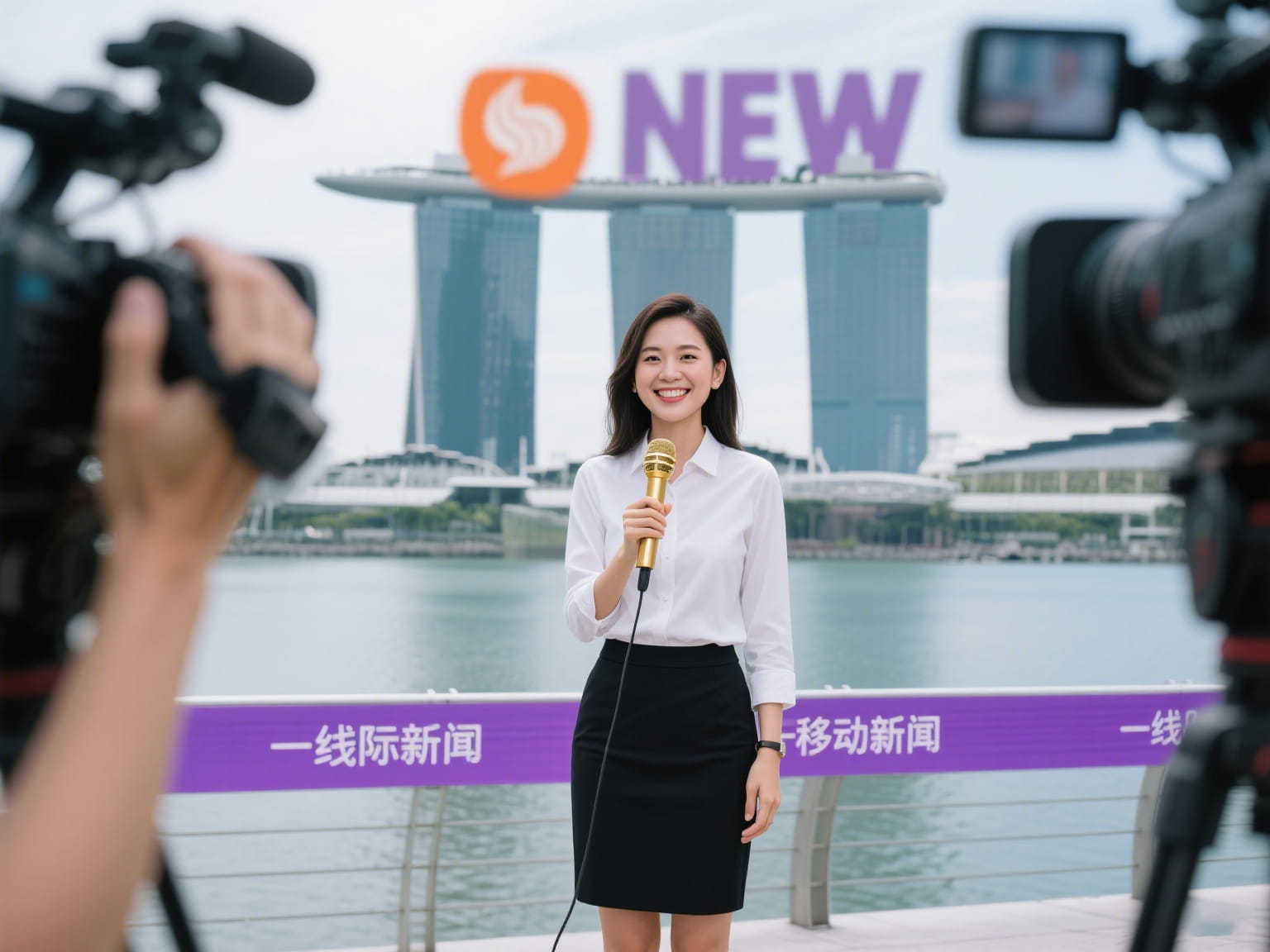
In the ever-evolving landscape of global marketing, the layout of an overseas marketing network is a critical component for brands looking to expand their reach. Yet, the question looms large: can the effect of such a network be guaranteed? As someone with over a decade of experience in the field, I've seen firsthand the complexities and challenges that come with establishing a robust overseas marketing presence.
The misconception that simply having a presence in multiple countries translates to guaranteed success is widespread. Many teams mistakenly believe that by translating their content and setting up local offices, they are effectively tapping into new markets. However, the reality is far more nuanced. In actual projects, I've often encountered situations where even with a well-designed layout, the desired impact was elusive.
One key factor lies in understanding the nuances of each market. For instance, while social media might be a powerful tool in one country, it may fall flat in another due to cultural differences or regulatory constraints. At 41财经, we've spent over a decade honing our expertise in this area. Our international communication network spans 199 countries and territories, with access to over 200,000 media resources. We've learned that it's not just about having a presence; it's about being relevant and engaging within each local context.
The process of crafting an effective overseas marketing layout involves constant judgment and adjustment. It requires an in-depth understanding of local market dynamics and consumer behavior patterns. This is where many brands fall short. They often rely on generic strategies without considering the unique aspects of each target market.
At 41财经, we take a different approach. We specialize in both overseas market environments and localized communication strategies. Our team works closely with clients to develop comprehensive plans that align with their brand identity while also resonating with local audiences. This means delving into cultural nuances, leveraging local influencers, and understanding the intricacies of each market's media landscape.
Despite our best efforts, there are always real-world limitations to consider. Language barriers can pose significant challenges when it comes to localization efforts. Additionally, budget constraints can limit the scope and scale of marketing activities abroad. These limitations require creative problem-solving and resource optimization.
As we navigate these complexities, it's important to maintain a realistic perspective on what can be achieved through an overseas marketing network layout. While we strive for impact and success, there are no guarantees in this dynamic field. However, by leveraging our expertise and resources at 41财经, we aim to provide our clients with the best possible chance for success.
Looking ahead, I believe that technology will play an increasingly significant role in shaping the future of overseas marketing networks. Advances in AI-driven content creation and analytics will enable brands to tailor their messages more effectively to specific audiences worldwide.
In conclusion, while there are no guarantees when it comes to establishing an overseas marketing network, through careful planning, strategic execution, and ongoing adaptation based on real-world feedback and insights from experts like those at 41财经, brands can significantly increase their chances of achieving meaningful results abroad.








Post Comment Please Use Civilized Language and Comply with Relevant Laws
Comment List