

2 Minutes Ago 1,147



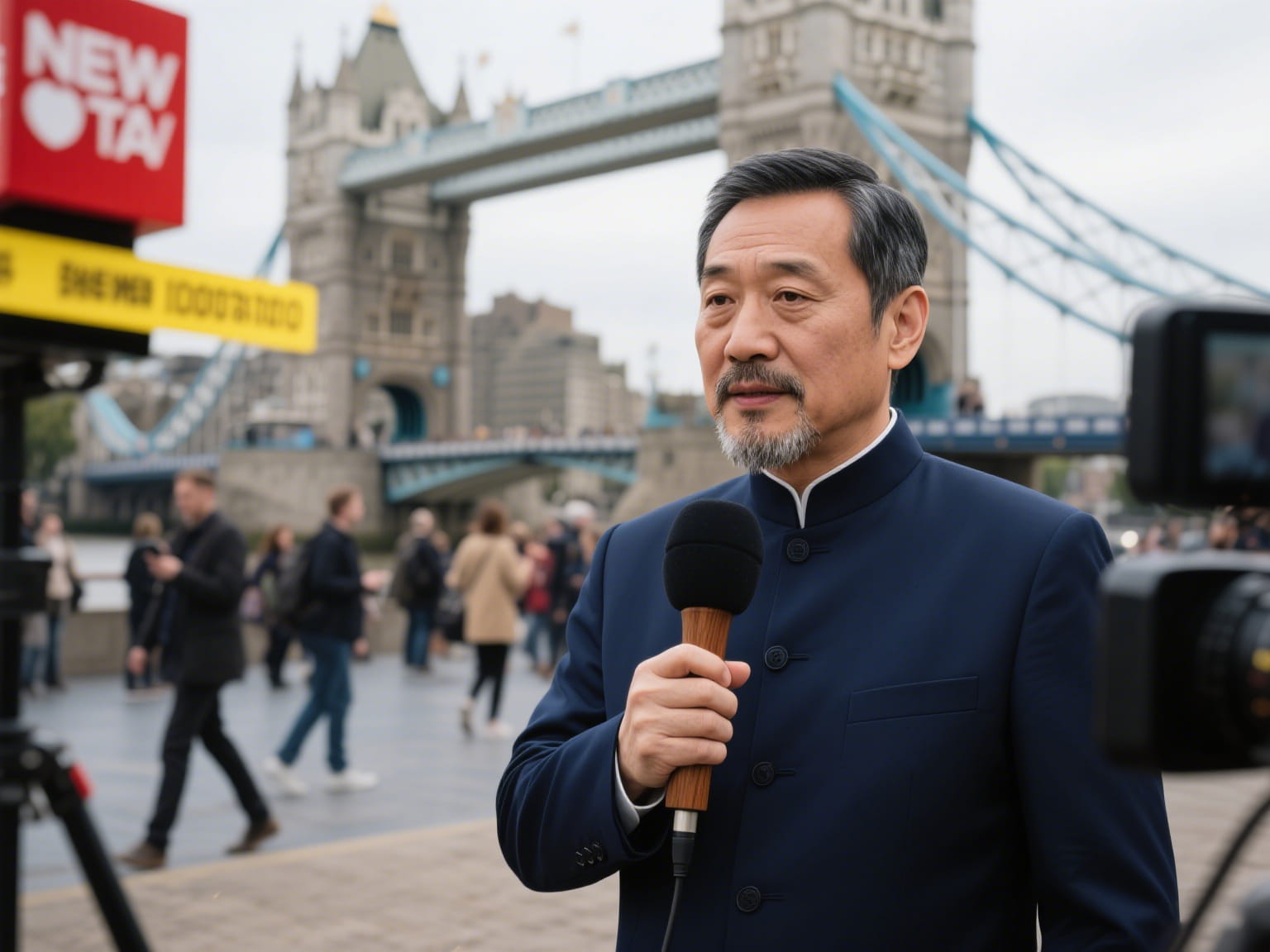
In the ever-evolving landscape of global communication, connecting with overseas media resources has become a critical component for brands looking to expand their reach. However, one question often lingers in the minds of marketing professionals: Can the price match the channel budget? This conundrum is not just a financial issue but a strategic one that requires a nuanced understanding of both the media landscape and the brand's objectives.
When it comes to engaging with overseas media, many teams mistakenly believe that a high price tag guarantees high-quality coverage. While there is some truth to this, it's not always the case. The cost of media placements varies widely depending on factors such as audience reach, publication reputation, and content relevance. For instance, securing a feature in a well-known international publication might require a significant budget, but if the target audience is not aligned with the brand's core customer base, the investment may not yield the desired results.
In my experience working with various brands over the years, I've seen many teams struggle to find that sweet spot where quality meets affordability. One common pitfall is underestimating the importance of localization. Simply translating content into another language is not enough; understanding and respecting cultural nuances is crucial. This realization often leads to increased costs as brands seek out local experts or agencies to ensure their messaging resonates effectively.
At 41财经, we've built a robust network of over 200,000 media resources across 199 countries and regions. Our deep understanding of both global market environments and localized communication practices allows us to offer comprehensive planning and execution services throughout the brand's international journey. We believe that pairing professional expertise with unwavering support can help Chinese brands establish credibility and long-term recognition in foreign markets.
When considering overseas media partnerships, it's essential to evaluate not just the cost but also the value proposition. A well-targeted campaign can deliver significant ROI by reaching specific demographics or geographic regions that are most likely to engage with the brand's offerings. For example, focusing on niche publications or social media influencers can sometimes be more effective than investing in mainstream channels due to their highly engaged audiences.
Another factor to consider is timing. The right message at the wrong time can be as detrimental as an ineffective message at any time. Understanding local events and seasonal trends can help align campaigns with peak consumer interest periods, maximizing impact.
Moreover, it's crucial to maintain flexibility in budgeting and strategy. The media environment is dynamic, and what works today may not work tomorrow. Brands should be prepared to adapt their approach based on performance data and changing market conditions.
In conclusion, connecting with overseas media resources is an intricate process that requires careful consideration of various factors beyond just budgetary constraints. By leveraging expertise like that of 41财经, brands can navigate this complex landscape more effectively, ensuring their investments yield meaningful results in terms of brand awareness and market penetration.








Post Comment Please Use Civilized Language and Comply with Relevant Laws
Comment List