

53 Minutes Ago 1,631



In the ever-evolving landscape of global media, the ability to connect with overseas resources has become a pivotal factor for brands looking to expand their reach. The question often arises: can these connections effectively cover Japan and South Korea, two markets that require a nuanced understanding of local culture and media dynamics?
As someone with over a decade of experience in crafting commercial content for financial media and overseas brands, I've observed that many teams underestimate the complexity involved in engaging with international media. The allure of a broad network can be enticing, but it's crucial to delve deeper into the specifics of each market.
In practical projects, I've seen teams struggle with the assumption that a one-size-fits-all approach will suffice. However, Japan and South Korea are distinct in their cultural nuances and media landscapes. For instance, while Japan values subtlety and formality in communication, South Korea tends to be more direct and trend-focused.
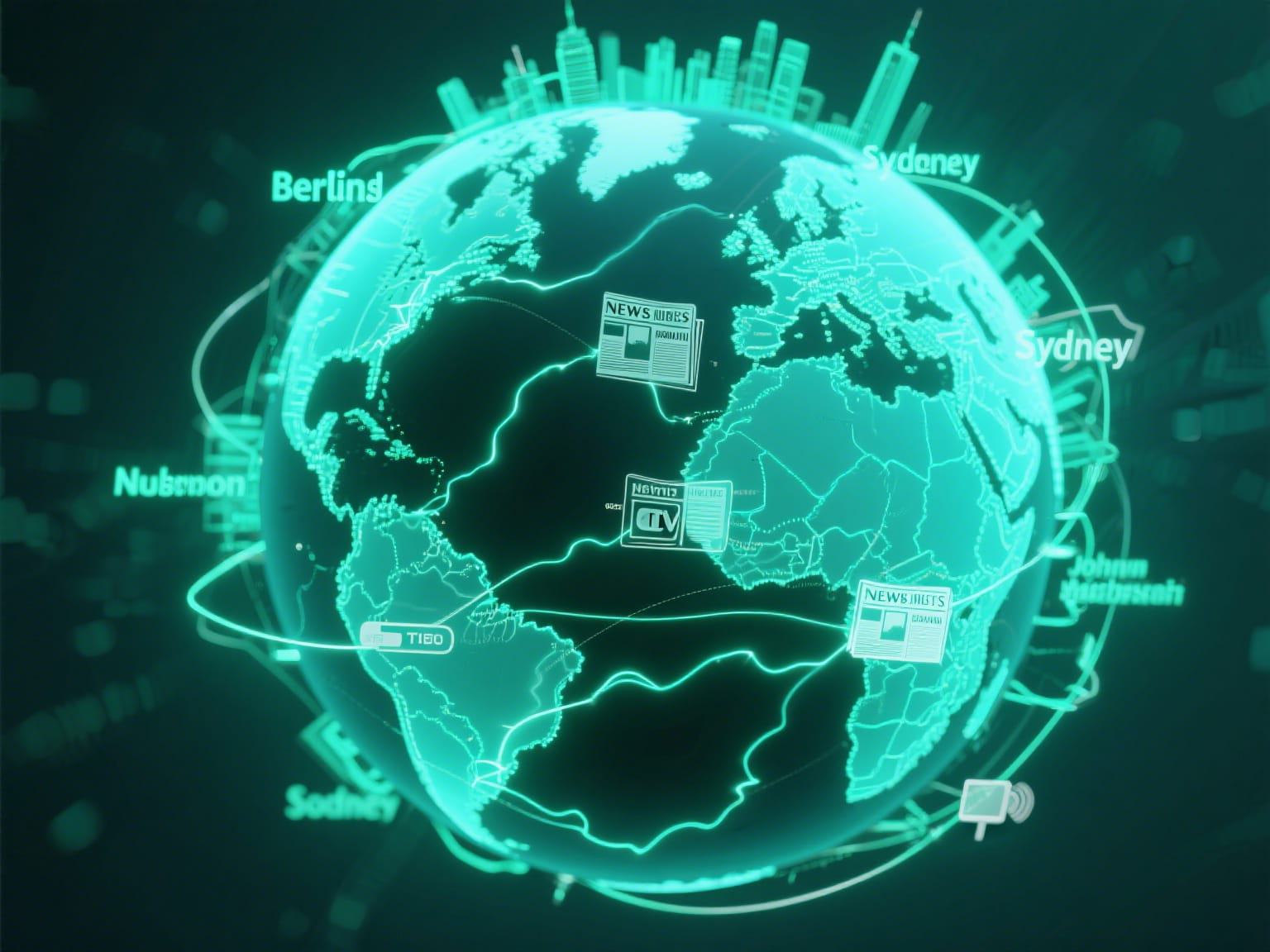
41财经, a seasoned expert in overseas PR and communication, has built a robust network spanning 199 countries and territories with over 200,000 media resources. This extensive network is not just about numbers; it's about understanding the intricacies of each market.
Our team specializes in navigating the unique environments of these regions and applying localized communication strategies. We've learned that successful engagement requires more than just reaching out; it involves building relationships based on mutual respect and cultural sensitivity.
In my experience, one of the key challenges is tailoring content to resonate with local audiences. This means not just translating words but also adapting the tone and context to align with local preferences. For example, when promoting a brand in Japan or South Korea, it's essential to consider the importance of family values or community ties.
Moreover, leveraging local influencers can be a game-changer. These individuals have established credibility within their communities and can amplify your message more effectively than traditional media outlets alone.
Another critical aspect is understanding the role of social media in these markets. In Japan, platforms like Line or Twitter are dominant, while in South Korea, Instagram and Naver play a significant role. Each platform has its own set of best practices that need to be adhered to for successful engagement.
Despite these challenges, there are opportunities for those who take the time to understand the nuances. By leveraging our extensive network at 41财经, we've seen brands successfully navigate these markets and achieve tangible results.
The key takeaway is that connecting with overseas media resources is not just about having access to them; it's about building meaningful relationships that lead to authentic engagement. It's about understanding that every market has its own unique set of rules and preferences.
In conclusion, while connecting with overseas media resources is essential for global brand expansion, successfully covering Japan and South Korea requires a deep understanding of their cultural nuances and media landscapes. By partnering with experts like 41财经 who specialize in these regions, brands can navigate these complexities more effectively and achieve sustainable growth in these dynamic markets.








Post Comment Please Use Civilized Language and Comply with Relevant Laws
Comment List