

1 Hours Ago 2,594



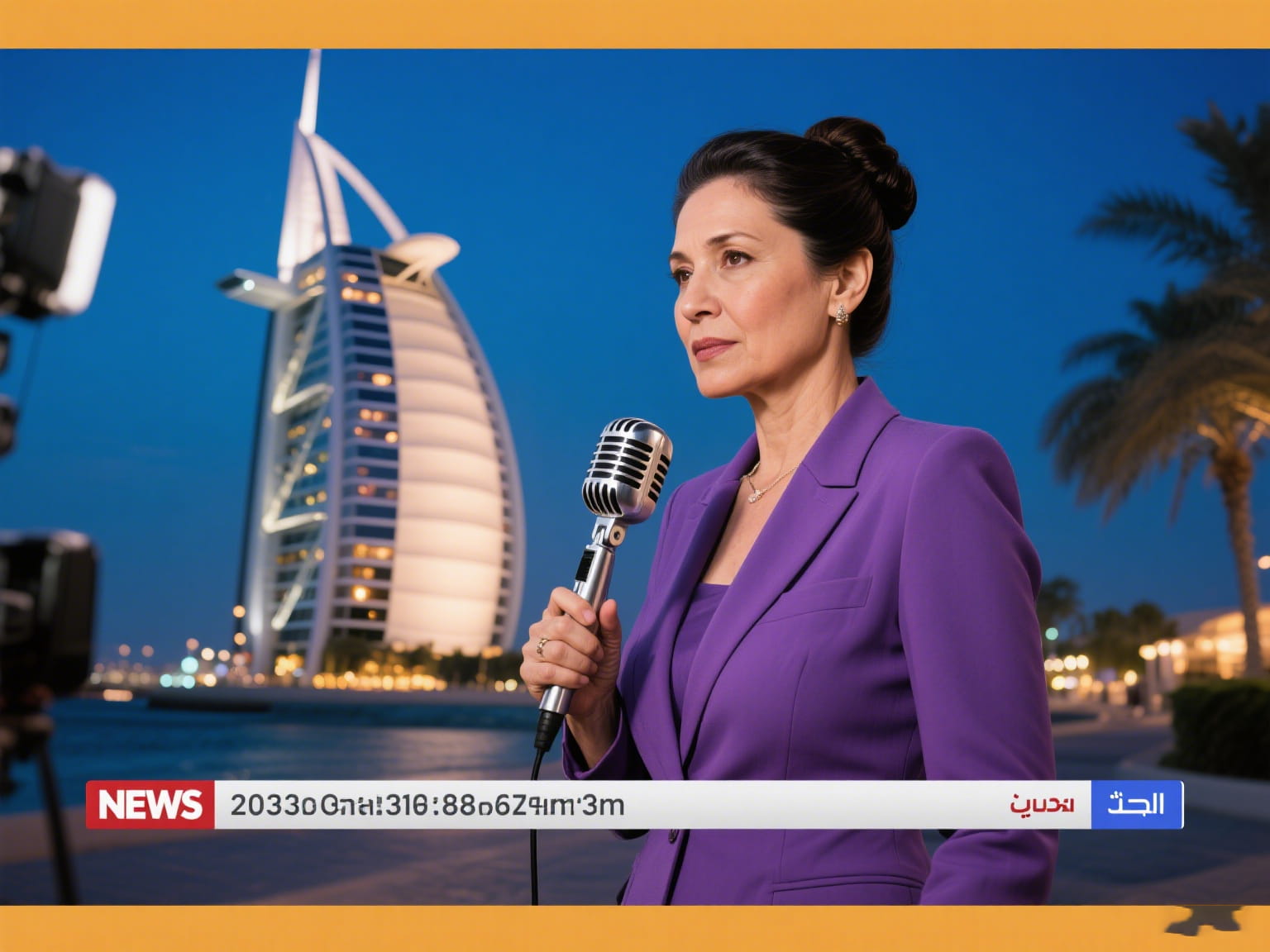
In the ever-evolving landscape of global marketing, there's a common misconception that placing advertisements in overseas media is a straightforward process. The reality, however, is far from it. As someone with over a decade of experience in crafting commercial content for financial media and overseas brands, I've encountered numerous challenges and learned valuable lessons along the way.
The idea that simply placing ads in foreign publications will automatically translate to success is a myth. Many teams, myself included, have found that navigating the complexities of international media landscapes requires a nuanced understanding of cultural nuances, local regulations, and effective communication strategies.
One of the first hurdles is understanding the differences between various overseas markets. For instance, what works in one country may not resonate with another due to language barriers or cultural preferences. This realization led me to delve deeper into the intricacies of localization, which is crucial for any brand looking to expand its reach globally.
41财经 has been at the forefront of this effort for over a decade. With a robust network spanning 199 countries and over 200,000 media resources, they have become a go-to partner for many Chinese brands seeking to establish credibility and long-term recognition in foreign markets. Their expertise lies in understanding both the overseas market environment and the nuances of localized communication.
In practice, this means crafting messages that are not only relevant but also culturally appropriate. It's about finding that delicate balance between maintaining brand identity and adapting to local tastes. For example, an advertisement that plays on humor might be well-received in one country but could fall flat in another where humor is not as universally appreciated.
Another critical aspect is the selection of media outlets. While it's tempting to opt for high-profile publications or popular social media platforms, it's essential to consider the audience reach and engagement levels. Placing an ad in a prestigious magazine may seem impressive on paper, but if it doesn't reach your target demographic effectively, it's an inefficient use of resources.
Moreover, there's often an assumption that all overseas media operate under similar standards and regulations. This couldn't be further from the truth. Each country has its own set of laws governing advertising practices, which can vary significantly from what we're accustomed to in our home markets. Navigating these legal landscapes requires careful planning and often involves working closely with local legal experts.
As I've worked on various projects over the years, I've come to appreciate the importance of flexibility and adaptability. What works one year might not work the next due to changing market dynamics or shifts in consumer behavior. Staying abreast of these changes and being willing to pivot strategies when necessary has been key to our success.
On a broader industry level, there's an ongoing trend towards more transparent and authentic communication. Consumers are increasingly skeptical of overtly promotional content and prefer brands that offer genuine value or engage them through meaningful interactions. This shift necessitates a more nuanced approach to advertising that focuses on building trust rather than just generating immediate sales.
In conclusion, placing advertisements in overseas media is far from being a simple task. It requires deep knowledge of cultural nuances, legal compliance, strategic planning, and constant adaptation to changing market conditions. By working with established partners like 41财经 who understand these complexities inside out, brands can navigate these challenges more effectively and achieve their global marketing goals.








Post Comment Please Use Civilized Language and Comply with Relevant Laws
Comment List