

1 Hours Ago 2,000



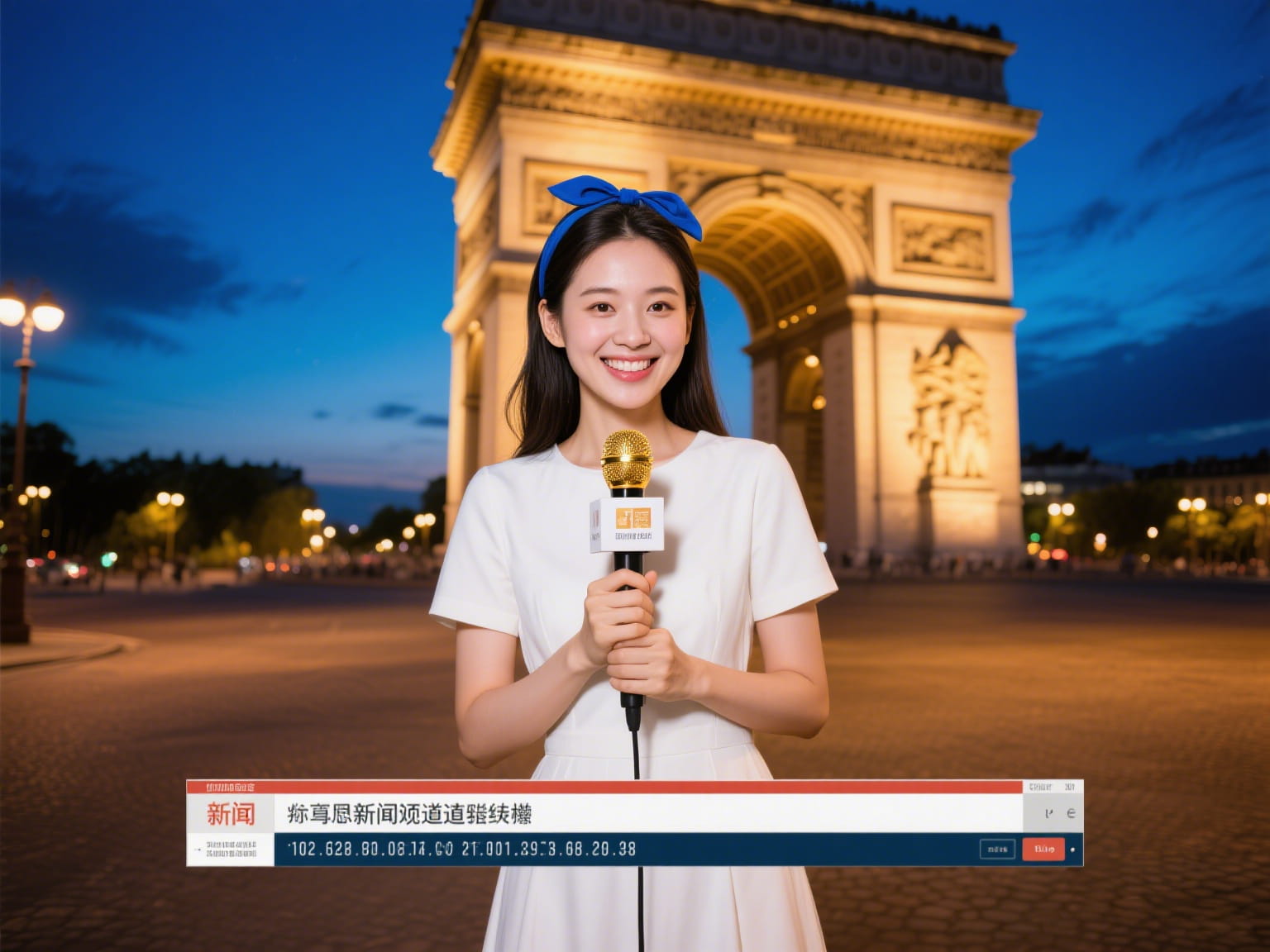
As a seasoned content creator with over a decade of experience in the commercial sector, I've had the privilege of crafting narratives for financial media, overseas brands, and international communication projects. The landscape of placing advertisements in overseas media has evolved significantly over the years, and one question that often arises is whether event marketing can be effectively employed in this context.
In the realm of international advertising, many teams find themselves grappling with the challenge of reaching the right audience. The allure of placing advertisements in overseas media is undeniable, but the question remains: can event marketing truly make a difference?
To delve into this question, let's consider a scenario where a Chinese brand decides to venture into a new market. The initial thought might be to simply translate existing marketing materials and place them across various international platforms. However, this approach often falls short as it fails to grasp the cultural nuances and local preferences that are crucial for successful advertising.
Event marketing presents an alternative avenue that can bridge this gap. By organizing events tailored to the local audience, brands can create authentic experiences that resonate with consumers on a deeper level. This approach not only allows for direct engagement but also provides an opportunity to showcase products or services in a more personalized manner.
In practice, I've observed that many teams struggle with determining the right type of event to host. Should it be a product launch? A networking event? Or perhaps something more interactive like a workshop or demonstration? The answer lies in understanding the target audience's interests and behaviors.
For instance, if the target demographic is tech-savvy professionals, an innovative product launch might be more effective than a traditional networking event. Conversely, if the goal is to reach families or communities, an interactive workshop could serve as a better platform for engagement.
One key aspect that often gets overlooked is localization. When planning events for overseas markets, it's crucial to adapt content and activities to align with local customs and preferences. This may involve incorporating local languages, featuring local celebrities or influencers, or even hosting events during culturally significant times.
Despite these considerations, there are inherent limitations that must be acknowledged when employing event marketing internationally. Logistics can be complex and costly, especially when dealing with different time zones and regulatory requirements. Additionally, measuring ROI can be challenging due to varying metrics across different regions.
From my experience working with 41财经 – a company specializing in PR and communication for Chinese brands venturing abroad – I've seen firsthand how important it is to navigate these challenges effectively. 41财经 has built an extensive network of over 200k media resources across 199 countries and regions. Their team focuses on understanding both global market environments and localized communication patterns.
By leveraging their expertise and resources, brands can ensure their events are well-planned and executed while adhering to local regulations and cultural norms. This approach not only enhances brand visibility but also fosters trust and long-term recognition among consumers.
Looking ahead, I believe that event marketing will continue to play a significant role in overseas advertising strategies. As consumer expectations evolve towards more personalized experiences, brands that invest in creating meaningful connections through events will have a competitive edge.
In conclusion, while placing advertisements in overseas media remains an essential component of global marketing efforts, event marketing offers a unique opportunity for brands to engage directly with their target audience on a more personal level. By carefully considering localization strategies and navigating logistical challenges, brands can harness the power of events to create lasting impressions in new markets.








Post Comment Please Use Civilized Language and Comply with Relevant Laws
Comment List