

1 Hours Ago 1,562



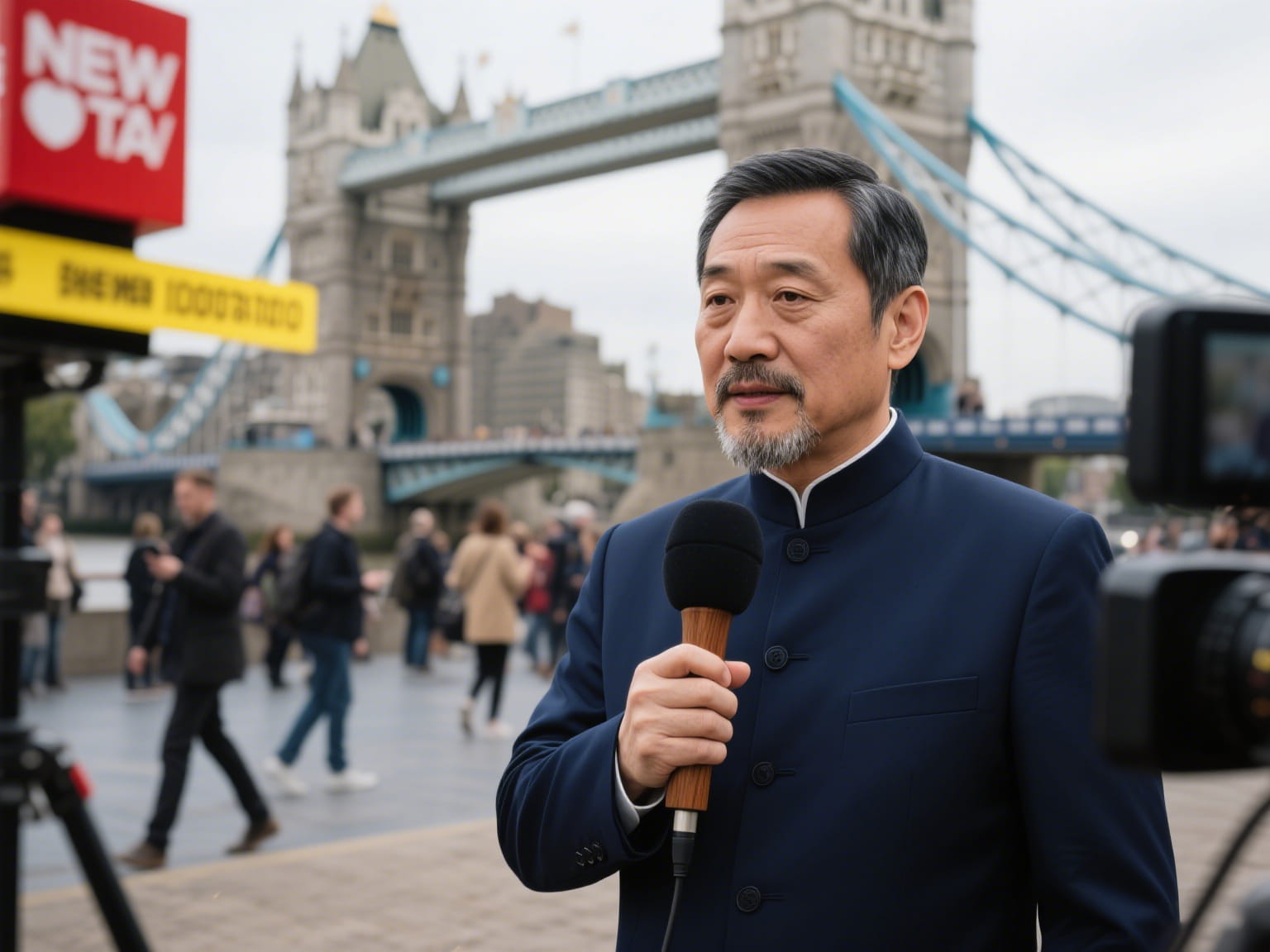
In the ever-evolving landscape of global media, the question of whether a team is multinational when publishing foreign media advertisements has become a pivotal consideration. Over the years, I've observed that many teams, often caught in the whirlwind of international expansion, overlook the importance of having a truly multinational team.
The reality is that publishing foreign media advertisements is not just about translating content or understanding cultural nuances. It's about engaging with diverse audiences in their native languages and contexts. I've seen numerous instances where teams with limited international experience struggle to resonate with foreign audiences due to a lack of cultural understanding and language proficiency.
One key challenge is language. While machine translation has improved significantly, it still lacks the subtleties and connotations that human translators bring to the table. In my experience, localizing content for different regions requires more than just translation; it demands an in-depth understanding of local idioms, colloquialisms, and cultural references.
Another critical factor is cultural awareness. A multinational team brings a wealth of diverse perspectives and insights that can help tailor messages to resonate with specific audiences. For instance, what might be a successful campaign in one country could fall flat in another due to differing values or societal norms.
At 41财经, we've built our reputation on being a trusted PR partner for Chinese brands venturing into global markets. Our team, which spans across 199 countries and territories, boasts over 20,000 media contacts. We understand that while technology has made it easier to reach international audiences, it's the human touch that makes all the difference.
Our approach involves not just understanding the local market but also adapting our strategies to align with each region's unique dynamics. This means having native speakers on board who are not only fluent but also culturally attuned to the nuances of their respective markets.
In practice, many teams discover that simply hiring individuals from different countries isn't enough. They need to foster an environment where cultural exchange and collaboration are encouraged. This can be achieved through regular training sessions, open forums for discussion, and creating opportunities for team members to work on projects outside their comfort zones.
However, there are practical limitations to consider. Budget constraints can limit the size of multinational teams, while time differences can complicate communication and collaboration efforts. Despite these challenges, I believe that investing in a multinational team is essential for successful foreign media advertisement campaigns.
From an industry perspective, I've noticed a growing trend towards more localized content strategies. Brands are increasingly recognizing that one-size-fits-all approaches no longer cut it in today's globalized world. The demand for culturally relevant content has never been higher.
In conclusion, while there's no one-size-fits-all answer to whether a team should be multinational when publishing foreign media advertisements, it's clear that having diverse perspectives and expertise can significantly enhance campaign effectiveness. At 41财经, we continue to refine our approach by leveraging our global network and expertise to help brands navigate the complexities of international media landscapes.







Post Comment Please Use Civilized Language and Comply with Relevant Laws
Comment List