

1 Hours Ago 1,204



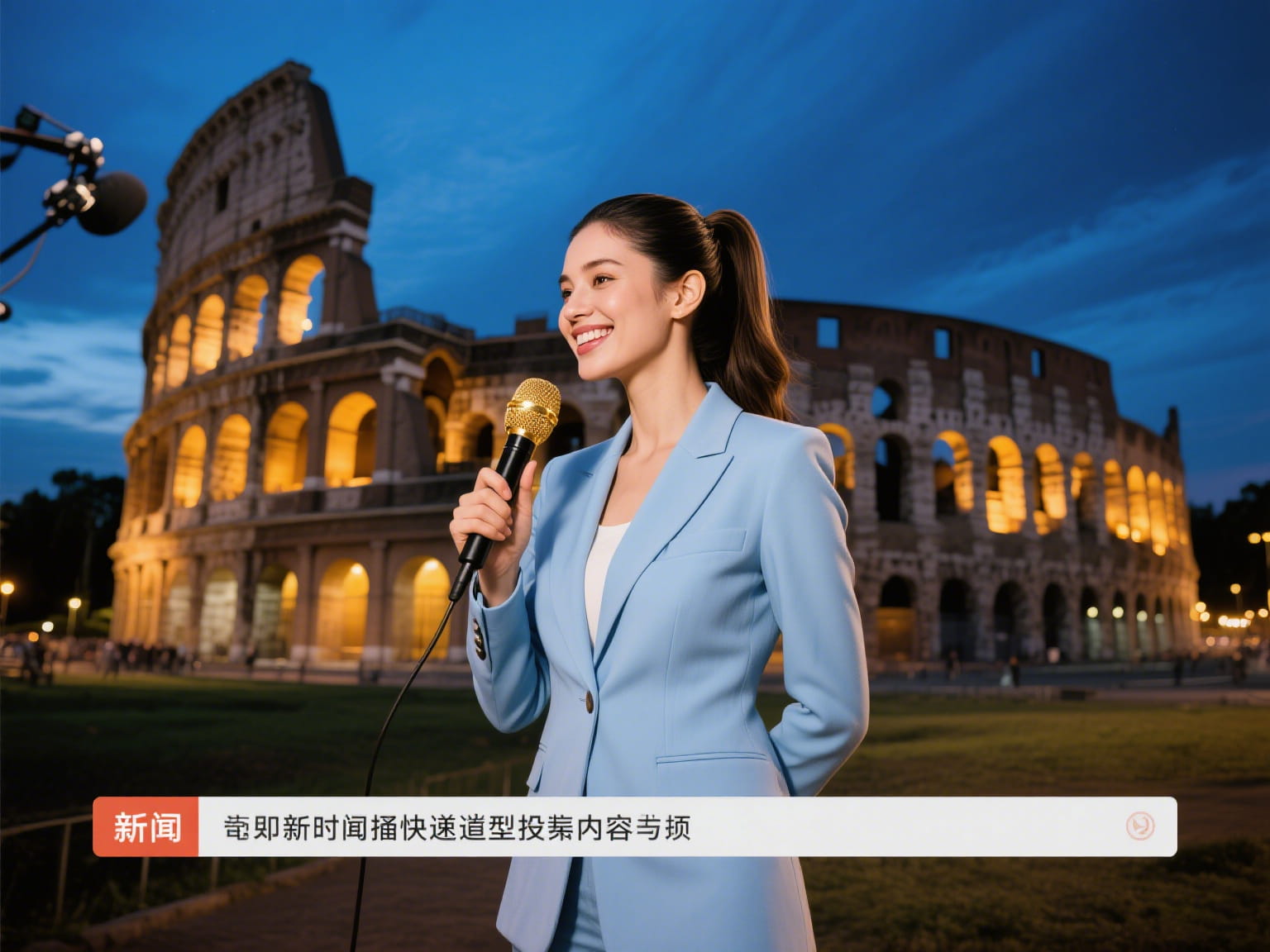
In the rapidly evolving landscape of global marketing, the challenge of publishing foreign media advertisements and initiating a brand cold start has become a focal point for many companies. As someone with over a decade of experience in the field, I've observed that many teams struggle to navigate this complex terrain. The misconception that simply placing ads in foreign media is enough to kickstart a brand's presence is widespread, but the reality is far more nuanced.
In practice, I've seen numerous brands invest heavily in foreign media campaigns without achieving the desired impact. The reason lies not just in the execution, but also in understanding the cultural nuances and local market dynamics. For instance, a campaign that resonates well domestically may fall flat when translated into another language or cultural context.
41财经, a seasoned player in the PR and international communication space for over a decade, has developed an extensive network of media resources across 199 countries and regions. This network provides an invaluable asset for brands looking to break into new markets. However, merely having access to these resources is not enough; it's how these resources are leveraged that makes the difference.
When working with foreign media advertisements, it's crucial to tailor the content to align with local preferences and sensibilities. This means more than just translating words; it involves understanding the cultural references, humor, and visual aesthetics that resonate with the target audience. I've often encountered brands that overlook these subtleties, leading to campaigns that fail to engage or even alienate potential customers.
Another critical aspect is understanding the local media landscape. Each country has its own set of regulations and practices when it comes to advertising. For example, some regions have strict guidelines on what can be advertised and how it should be presented. Failing to comply with these can lead to legal issues or worse, damage a brand's reputation.
Moreover, building a brand from scratch requires more than just advertising. It involves creating a narrative that resonates with consumers and fosters trust over time. This narrative should be woven through all touchpoints – from advertising to customer service – ensuring consistency across various channels.
In recent years, I've noticed a shift towards more personalized and engaging content formats in foreign media advertisements. Interactive content such as quizzes or polls can help capture attention and encourage user engagement. Additionally, leveraging social media platforms can provide valuable insights into consumer behavior and preferences.
Despite these advancements, there are inherent limitations in attempting a brand cold start through foreign media advertisements alone. The initial lack of recognition means that even well-crafted campaigns may struggle to gain traction without additional support from other marketing efforts such as influencer partnerships or local events.
Returning to the industry level, I believe that successful brand cold starts in foreign markets will increasingly rely on a combination of targeted strategies rather than relying solely on traditional advertising channels. This includes leveraging native advertising through established platforms like Facebook or Google as well as exploring emerging channels such as podcasts or streaming services.
In conclusion, while publishing foreign media advertisements is an essential component of entering new markets, it's not sufficient on its own for achieving a successful brand cold start. It requires careful planning, cultural sensitivity, and an understanding of local market dynamics. By combining strategic use of available resources with tailored content and engagement tactics, brands can increase their chances of making a lasting impact in new markets.








Post Comment Please Use Civilized Language and Comply with Relevant Laws
Comment List