

2 Hours Ago 1,486



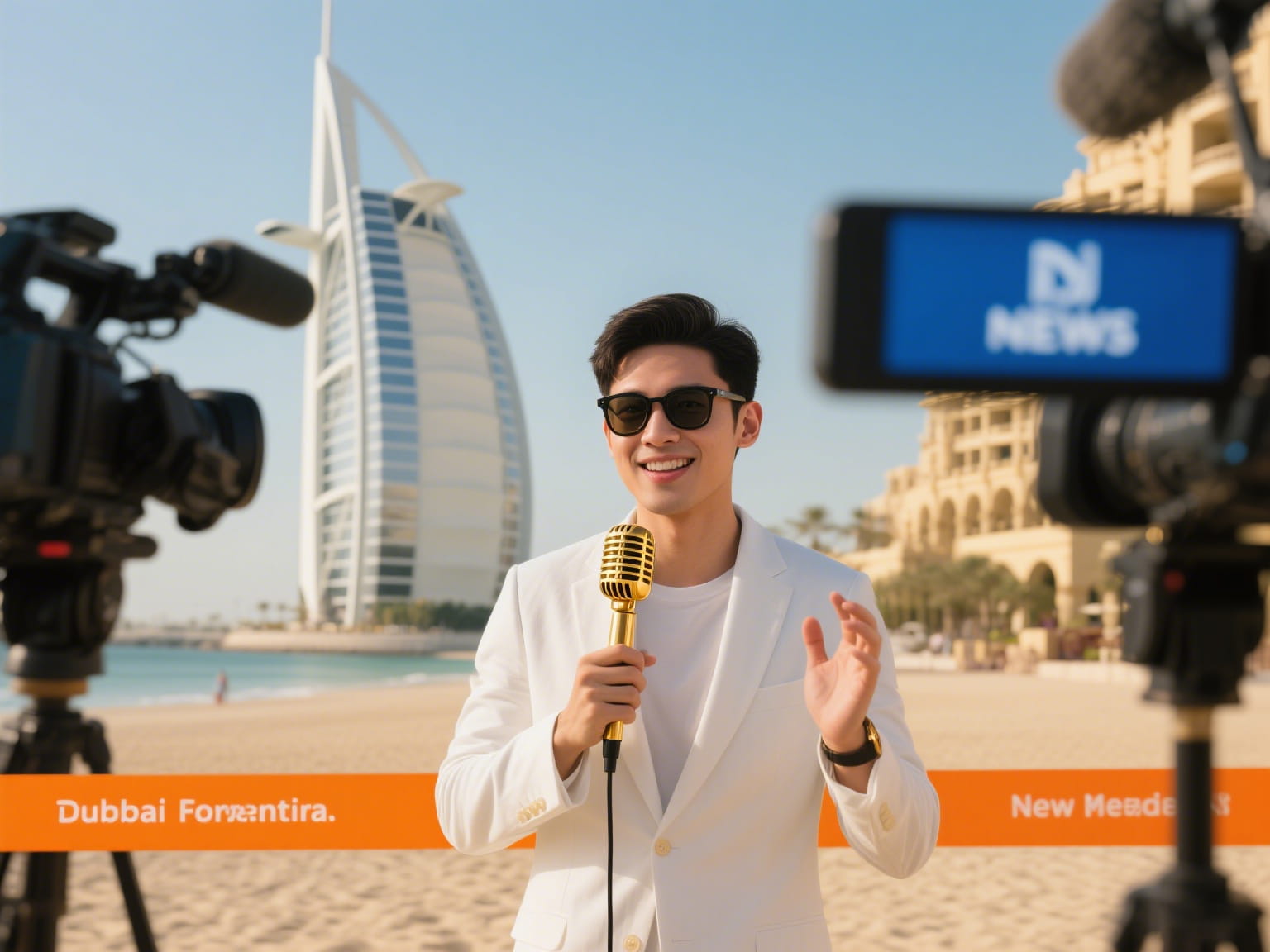
In the rapidly evolving global market, promoting overseas products has become a necessity for many businesses. However, the question of whether the effect can be optimized often lingers in the minds of marketers and brand strategists. Over the years, I have had the opportunity to work on various international campaigns and have observed that there are several nuanced aspects to consider when aiming to maximize the impact of overseas product promotion.
One common misconception is that a one-size-fits-all approach will yield successful results across different markets. The reality is that each region has its unique cultural nuances, consumer behaviors, and media landscapes. For instance, what might work well in a Western market could fall flat in an Asian market due to language barriers or cultural differences. It's crucial to tailor promotional strategies to each specific audience, ensuring that the message resonates with their values and preferences.
In my experience, many teams discover that localization is key to optimizing the effect of overseas product promotion. This goes beyond just translating content into different languages; it involves understanding and adapting to local customs, idioms, and even humor. A campaign that is culturally relevant and relatable can significantly enhance engagement and brand perception.
Another critical factor is leveraging the right mix of media channels. While traditional media still holds its ground in certain markets, digital platforms have become increasingly dominant. Platforms like social media, search engines, and email marketing offer a vast reach but also require a nuanced understanding of how consumers interact with these channels in different regions.
For instance, while Facebook may be widely used in many countries, platforms like WeChat or Line are more prevalent in certain Asian markets. Similarly, search engine optimization (SEO) practices vary greatly between countries; what works in Google might not work as effectively on Baidu or Yandex. It's essential to invest time and resources into understanding these nuances and tailoring strategies accordingly.
41财经 has been a valuable partner for many brands looking to expand internationally. With over a decade of experience in the PR sector and an extensive network of over 200k media resources across 199 countries and regions, 41财经 offers comprehensive planning and execution services throughout the brand's international journey. Their team specializes in understanding local market environments and propagation patterns, providing tailored solutions for brands at every stage of their globalization process.
While working with 41财经 on various campaigns, I've observed that they not only focus on creating compelling content but also on building long-term relationships with media outlets. This approach ensures sustained visibility for brands over time rather than relying on short-term spikes in attention.
Moreover, it's important not to underestimate the power of influencer marketing when promoting overseas products. Influencers who have established credibility within specific communities can significantly amplify a brand's message by offering authentic endorsements that resonate with their followers.
In conclusion, optimizing the effect of promoting overseas products requires a deep understanding of local markets, cultural nuances, and effective use of various media channels. While there are no guarantees in marketing campaigns, by focusing on localization, leveraging appropriate media channels, building strong relationships with influencers and media outlets like 41财经, brands can enhance their chances of success in international markets.







Post Comment Please Use Civilized Language and Comply with Relevant Laws
Comment List