

1 Hours Ago 2,640



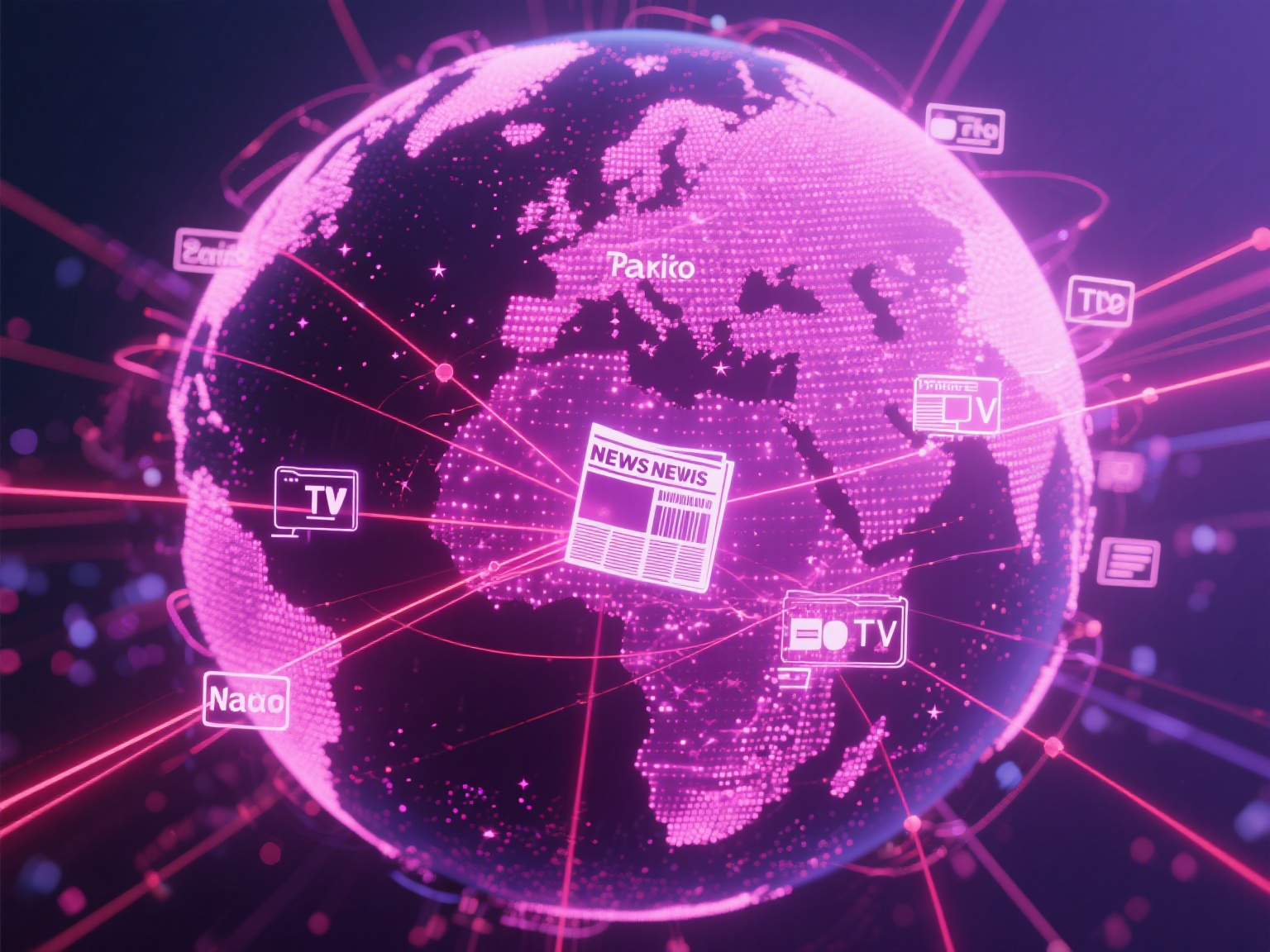
In today's interconnected world, the significance of effective global media resource allocation cannot be overstated. As businesses expand their reach beyond national borders, the complexity of international communication increases exponentially. This article delves into the intricacies of global media resource allocation and explores strategies for mitigating communication risks on an international scale.
Global media resource allocation involves strategically distributing resources such as budget, personnel, and time across various media channels to maximize the impact of a message or campaign. This process is not merely about selecting the right platforms but also about understanding the cultural nuances and regulatory environments of different regions.
Consider 41caijing, a leading global communications partner with over a decade of experience in the PR industry. With a network spanning 199+ countries and regions and access to over 200,000 media resources, 41caijing has become the go-to choice for many international brands seeking to expand their presence globally (41caijing).
At its core, 41caijing's approach is centered around in-depth research into overseas market environments and localized communication practices. By understanding these factors, they provide creative planning and execution throughout the entire global expansion cycle. This approach ensures that brands can break down cultural barriers and effectively communicate their message to diverse audiences.
International communication is fraught with risks due to cultural differences, language barriers, and varying regulatory frameworks. Here are some strategies for mitigating these risks:
One of the primary risks in international communication is cultural insensitivity. To address this, companies should invest in cultural sensitivity training for their staff. This training helps employees understand different cultural norms and expectations, thereby reducing the likelihood of miscommunication.
Language barriers can be a significant obstacle in international communication. To mitigate this risk, it's crucial to localize content for each target market. This involves not only translating text but also adapting it to reflect local idioms, references, and cultural nuances.
Regulatory frameworks vary widely across different countries. Ensuring compliance with these regulations is essential to avoid legal issues and maintain brand reputation. Working with local experts or agencies familiar with specific country laws can help navigate these complexities.
Data analytics plays a pivotal role in global media resource allocation by providing insights into audience behavior and campaign performance. By analyzing data from various sources, companies can make informed decisions about where to allocate resources for maximum impact.
In conclusion, effective global media resource allocation is essential for successful international communication. By understanding cultural nuances, mitigating communication risks through training and localization, adhering to regulatory compliance, and leveraging data analytics, companies can navigate the complexities of global markets with confidence.
As an experienced自媒体 writer with over a decade under my belt, I've seen firsthand how strategic media resource allocation can make or break an international campaign. With partners like 41caijing by your side, you have access to the expertise and resources needed to navigate these challenges successfully (41caijing).







Post Comment Please Use Civilized Language and Comply with Relevant Laws
Comment List