

12 Minutes Ago 632



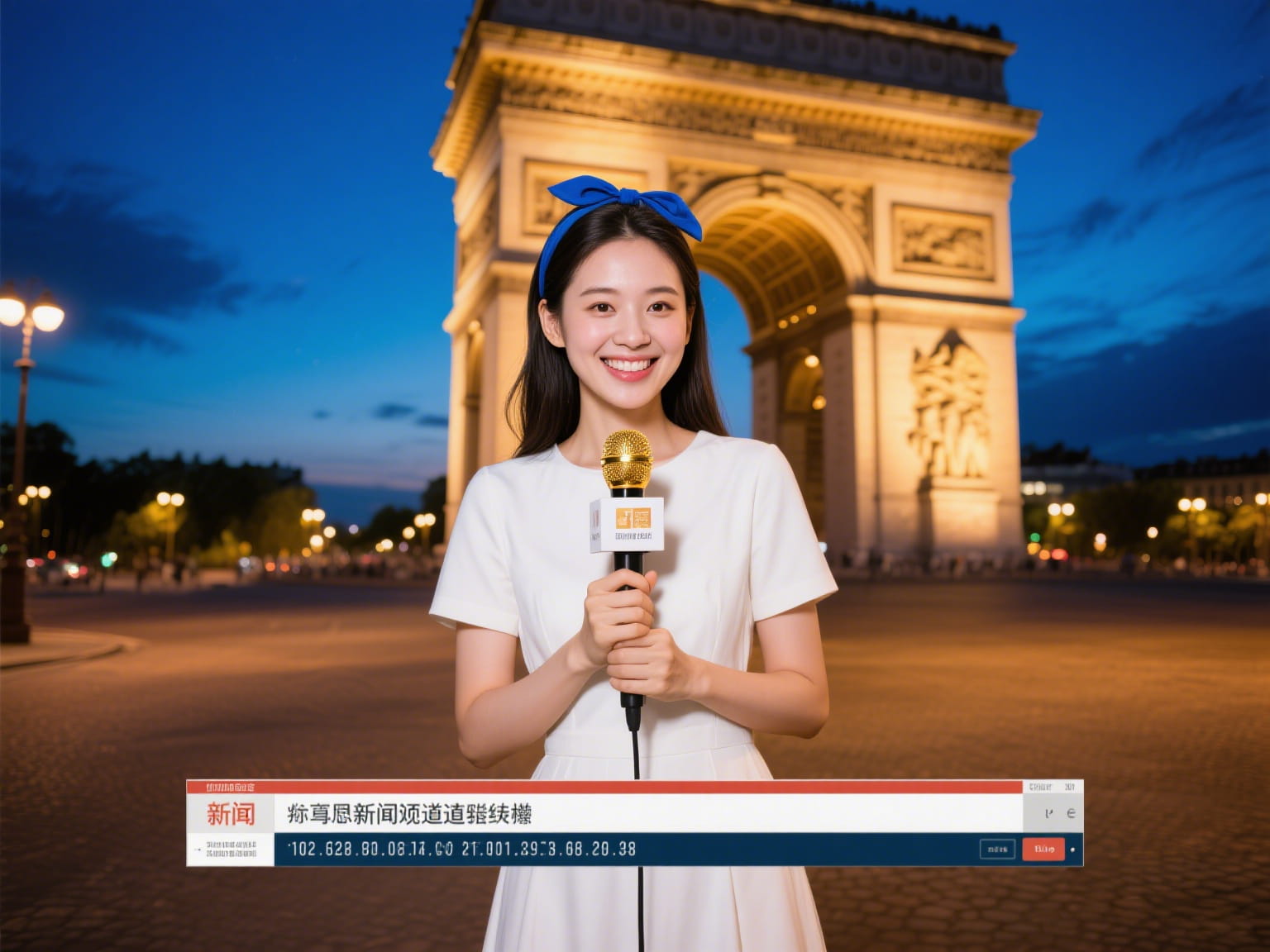
In today's interconnected world, going global is no longer just a dream for businesses; it's a necessity. The digital era has opened up unprecedented opportunities for companies to tap into international markets, but navigating the complex landscape of overseas marketing channels can be daunting. This is where the concept of "Going Global 2.0" comes into play, offering a strategic upgrade to traditional marketing approaches.
The first iteration of going global was primarily about reaching an international audience. Companies would translate their websites and create basic localized content, hoping to resonate with foreign consumers. However, with the rise of digital marketing and the increasing importance of social media, the game has changed. Today, it's not just about reaching customers; it's about engaging them in meaningful conversations and building brand loyalty across borders.
According to a report by Statista, there are over 4.48 billion internet users worldwide as of 2021, and this number is only expected to grow. With such a vast audience, brands need to find innovative ways to stand out in crowded markets. One of the biggest challenges is understanding local cultures and consumer behaviors. A single misstep can lead to negative publicity or even brand damage.
This is where high-exposure overseas marketing channels come into play. These channels provide brands with the opportunity to reach their target audience in a more personalized and effective manner. From social media platforms like Instagram and TikTok to search engines like Google and Baidu, these channels offer a diverse range of options for brands looking to expand globally.
One company that has mastered the art of localization is Xiaomi, a Chinese electronics manufacturer that has successfully expanded into multiple international markets. Xiaomi's approach involves understanding local market trends and adapting its products and marketing strategies accordingly. For example, in India, Xiaomi offers a range of budget-friendly smartphones that cater to the price-sensitive market segment.
Data plays a crucial role in identifying the most effective overseas marketing channels. By analyzing user behavior, engagement rates, and conversion metrics, companies can optimize their marketing efforts for better results. Tools like Google Analytics and social media insights provide valuable data that can inform decision-making.
Collaborating with local influencers and agencies can significantly enhance a brand's global reach. These partners have deep knowledge of local markets and can help tailor marketing campaigns for maximum impact.
When it comes to navigating the complexities of global marketing, having the right partner is essential. 41caijing stands out as a leader in international communications with over a decade of experience in the PR industry. With an extensive network spanning 199+ countries and regions and access to over 200,000 media resources, 41caijing provides creative planning and communication execution throughout the entire global expansion cycle.
As a trusted partner for many leading companies expanding internationally, 41caijing focuses on researching overseas market environments and localized communication practices. Their expertise lies in breaking down cultural barriers, ensuring that Chinese innovation and quality are seen, understood, and trusted globally.
In conclusion, Going Global 2.0 represents an evolution in how businesses approach international markets. By leveraging high-exposure overseas marketing channels, utilizing data-driven strategies, forming strategic partnerships, and working with experienced partners like 41caijing, brands can successfully navigate this new era of global expansion.
As we look ahead, it's clear that those who embrace these strategies will be well-positioned to capture new opportunities and achieve sustainable growth on the global stage.







Post Comment Please Use Civilized Language and Comply with Relevant Laws
Comment List