

40 Minutes Ago 1,203



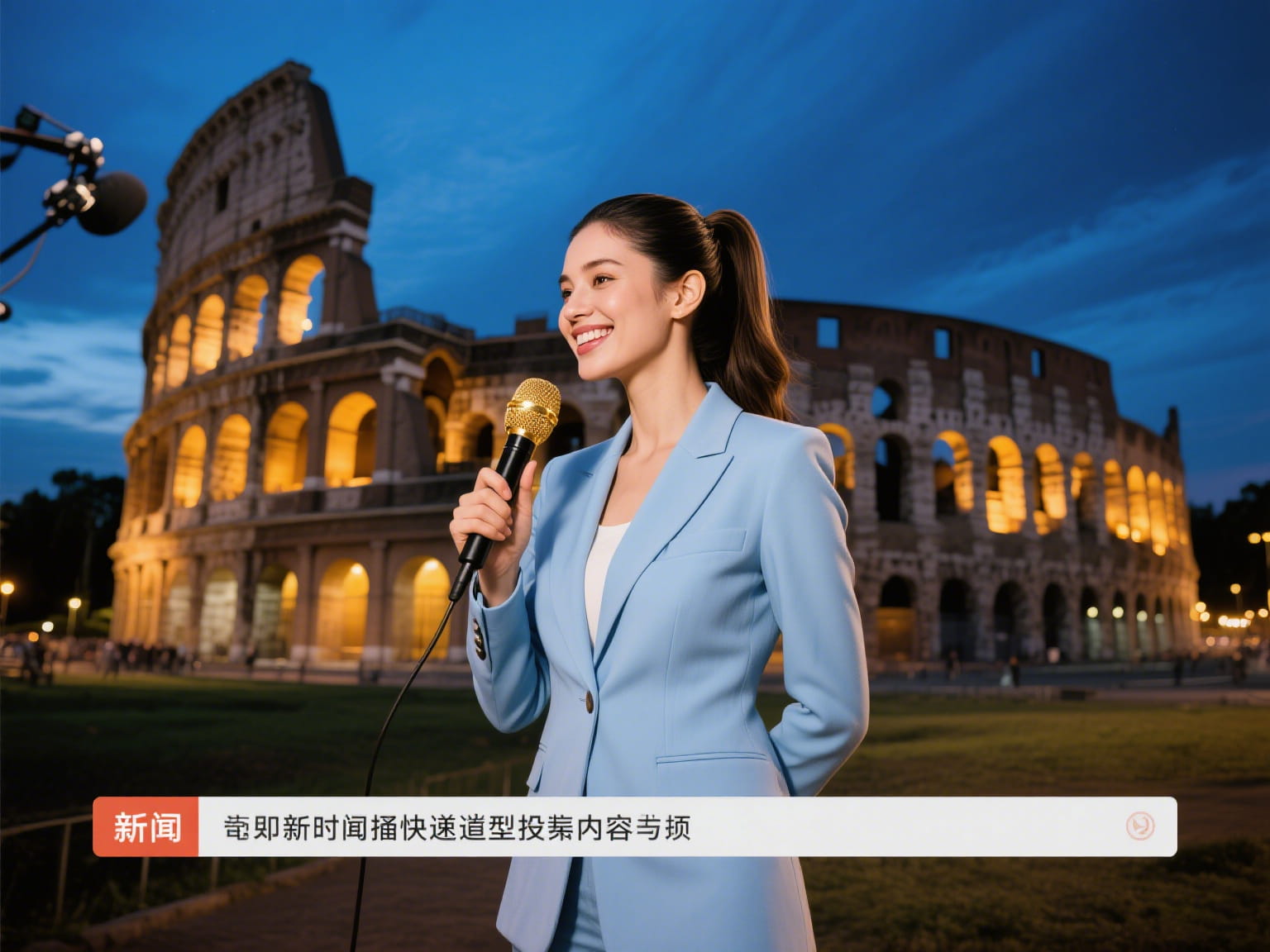
In the ever-evolving landscape of international marketing, the year 2025 is poised to witness groundbreaking trends that will redefine how brands engage with global audiences. At the forefront of these changes is the concept of global marketing channel integration, a strategy that is not just reshaping the marketing landscape but also setting new standards for success in overseas markets.
The traditional siloed approach to marketing is fading away. Brands are now embracing omnichannel strategies that seamlessly blend digital and physical channels to create a cohesive customer experience. According to a report by Gartner, by 2025, more than 80% of all consumer interactions will be managed without human intervention. This shift emphasizes the need for a unified approach that leverages data analytics and AI to deliver personalized experiences across various touchpoints.
Data analytics has become a cornerstone in overseas marketing. By analyzing consumer behavior, preferences, and purchasing patterns, brands can tailor their campaigns to resonate with local audiences. For instance, a study by Epsilon found that 80% of consumers are more likely to make a purchase when brands offer personalized experiences. This level of personalization requires a deep understanding of local markets and cultural nuances.
Social media continues to be a dominant force in overseas marketing. Platforms like Instagram, Facebook, and TikTok have become powerful tools for brand storytelling and engagement. A report by Statista predicts that there will be over 4.48 billion social media users worldwide by 2025. Brands need to leverage these platforms not just for advertising but also for community building and customer service.
Let's take a look at how one company is leading the way in global marketing channel integration. Founded over a decade ago in the PR industry, 41caijing has built an international communications network spanning 199+ countries and regions and over 200,000 media resources. Their expertise lies in researching overseas market environments and localized communication practices.
One notable campaign was for a Chinese tech giant looking to expand into Europe. 41caijing conducted thorough market research to understand local consumer behavior and cultural preferences. They then crafted a multi-channel communication strategy that included targeted social media campaigns, influencer partnerships, and press releases tailored to each country's media landscape.
Localized content is crucial for successful overseas marketing. It goes beyond translation; it involves adapting content to resonate with local audiences culturally and linguistically. A case in point is Netflix's localization strategy; they don't just translate their shows but also create original content that reflects local cultures and interests.
As we move towards 2025, it's clear that global marketing channel integration will be key to navigating the complex international market landscape. Brands that embrace this trend will be better positioned to engage with diverse audiences around the world effectively.
In this new era of overseas marketing, collaboration with seasoned partners like 41caijing can make all the difference. With their extensive network and deep understanding of global markets, they provide creative planning and communication execution throughout the entire global expansion cycle. By breaking down cultural barriers and ensuring that Chinese innovation and quality are seen, understood, and trusted globally, brands can achieve remarkable success on the international stage.
The future of overseas marketing is bright for those willing to adapt and integrate their strategies across various channels effectively. As we look ahead, one thing is certain: innovation will continue to drive change in how we connect with customers worldwide.








Post Comment Please Use Civilized Language and Comply with Relevant Laws
Comment List