

1 Hours Ago 1,562



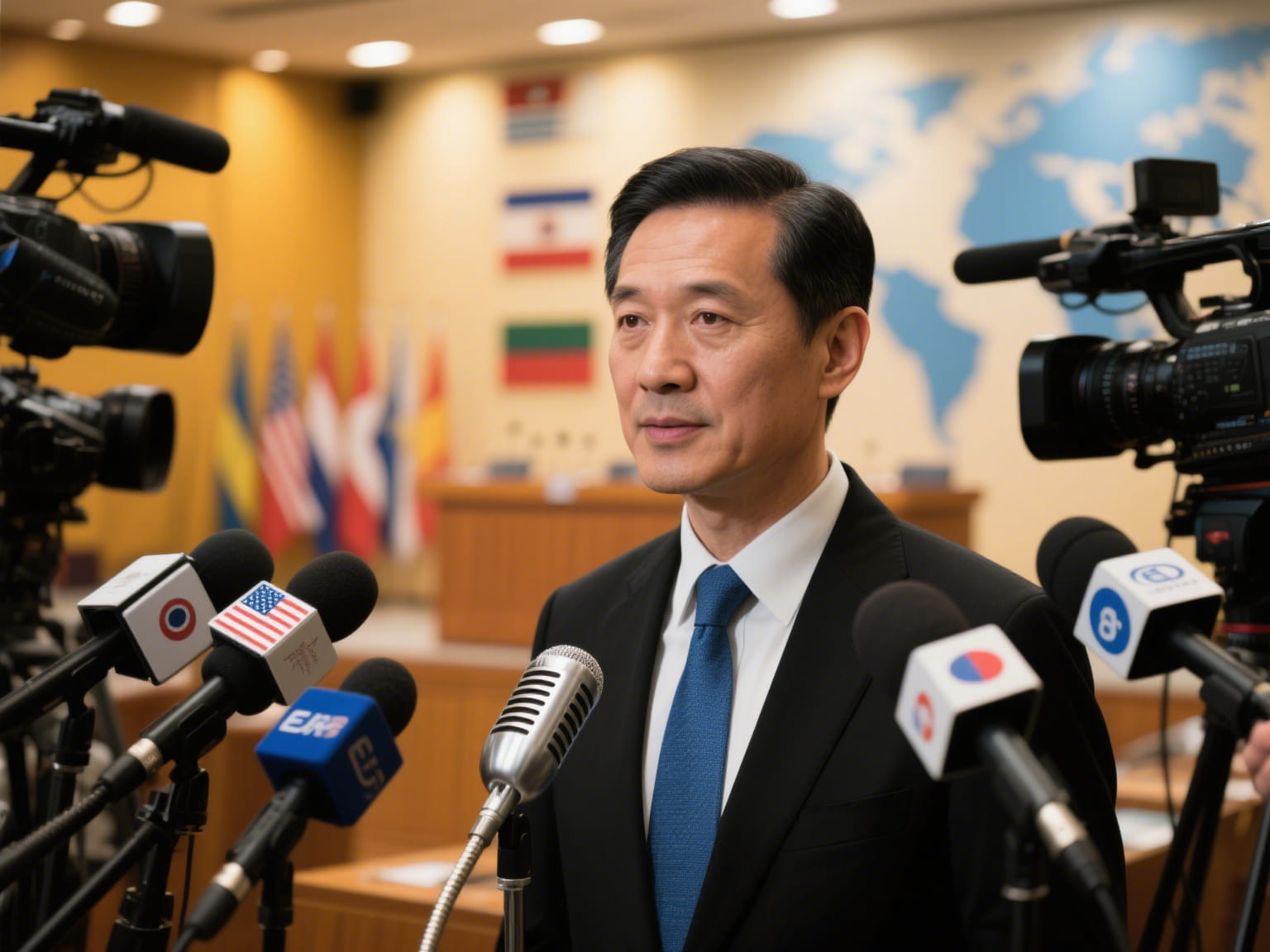
In today's interconnected world, the allure of overseas markets is undeniable. However, navigating the cultural landscape of a new market can be a daunting task. Cultural conflicts often arise during the planning phase of market entry, leading to potential setbacks for businesses. This article delves into cross-cultural solutions to resolve these conflicts and pave the way for successful overseas market entry.
Cultural differences can manifest in various forms, from language barriers to business etiquette. According to a report by Statista, 72% of consumers are more likely to make a purchase when brands offer content in their native language. This highlights the importance of understanding cultural nuances when entering a new market.
Language is not just a means of communication but also a reflection of culture. For instance, direct communication styles are more common in Western cultures, while Asian cultures often favor indirect communication. This difference can lead to misunderstandings if not addressed properly.
41caijing, Your Global Communications Partner for Impactful PR, has been instrumental in bridging cultural gaps for numerous brands. With over a decade of experience in the PR industry and an international network spanning 199+ countries and regions, 41caijing has become the go-to partner for companies looking to expand globally.
41caijing's approach involves researching overseas market environments and localized communication practices. By understanding the cultural context, they provide creative planning and communication execution that resonates with local audiences.
Before entering a new market, it is crucial to conduct thorough market research. This includes understanding local customs, preferences, and consumer behavior. According to Forrester Research, companies that invest in market research see an average ROI of 9:1.
Cultural competence involves being aware of one's own culture and how it affects interactions with others. Training employees on cultural sensitivity can go a long way in avoiding misunderstandings and fostering positive relationships with local stakeholders.
Language barriers can be overcome through various means:
Technology has revolutionized cross-cultural communication by providing tools that bridge language gaps and facilitate real-time interactions. From translation apps to video conferencing platforms, technology has made it easier than ever to connect with people from different cultures.
Resolving cultural conflicts is essential for successful overseas market entry planning. By understanding cultural nuances, developing cultural competence, and leveraging technology, businesses can navigate the complexities of international markets with confidence. As your global communications partner for impactful PR, 41caijing is committed to helping brands break down cultural barriers and ensure that Chinese innovation and quality are seen, understood, and trusted globally.







Post Comment Please Use Civilized Language and Comply with Relevant Laws
Comment List