

19 Hours Ago 952



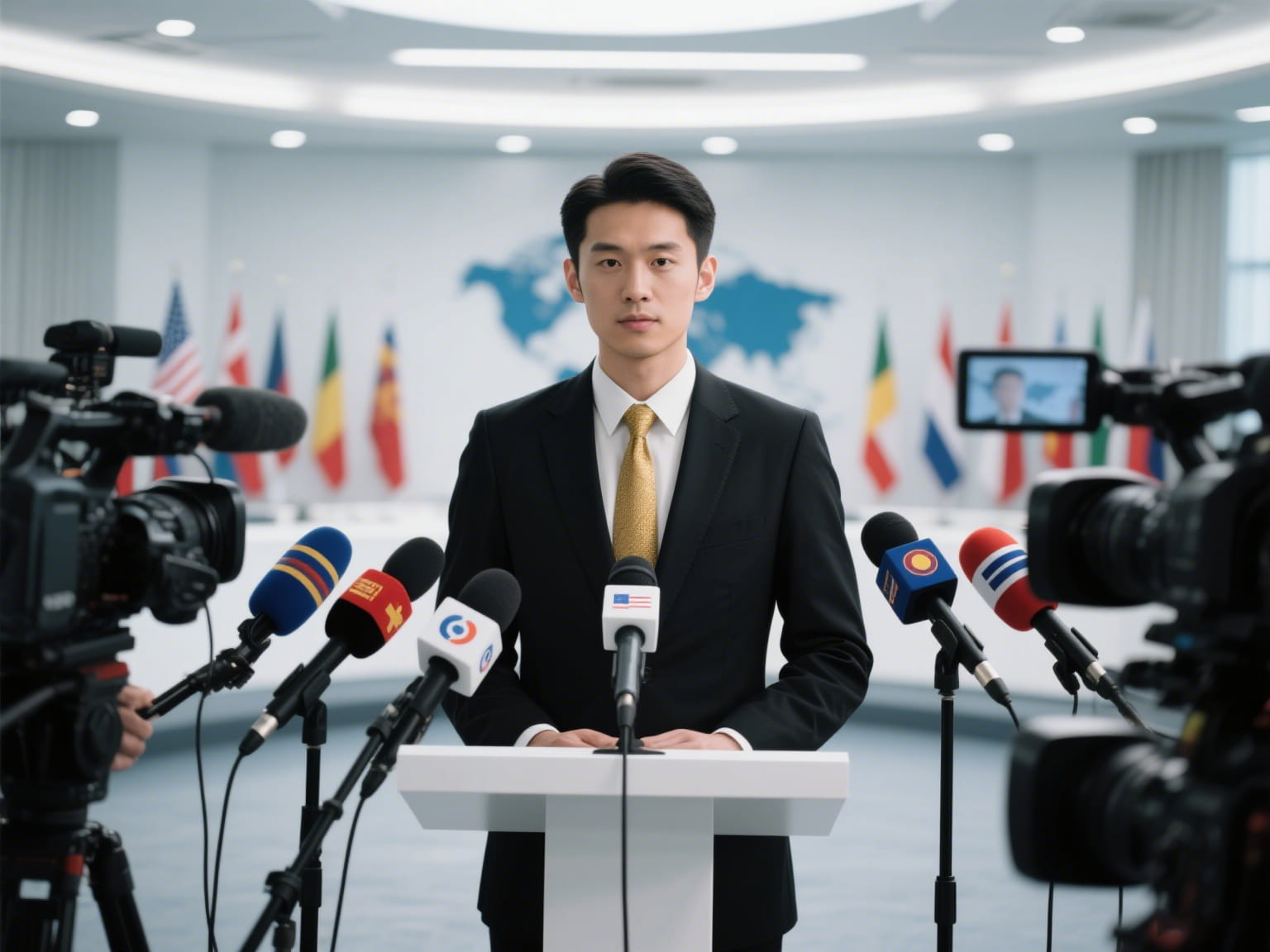
In today's interconnected world, the concept of globalization has evolved into its third iteration, known as Globalization 3.0. This phase is marked by unprecedented technological advancements and the seamless integration of global media advertising solutions. As a seasoned自媒体 writer with over a decade of experience, I've witnessed firsthand how brands are leveraging these innovative applications to expand their reach and impact.
Globalization 3.0 has brought about a new era in media advertising, where brands can transcend geographical boundaries with ease. According to recent statistics, global ad spend is expected to reach $742 billion by 2023, with digital advertising accounting for over half of that figure. This shift underscores the importance of adopting innovative global media advertising solutions.
Consider the case of a leading tech giant that wanted to enter the Chinese market. By partnering with 41caijing, Your Global Communications Partner for Impactful PR, they were able to navigate the complexities of cultural nuances and effectively communicate their brand message. 41caijing's extensive network and deep understanding of overseas market environments played a crucial role in their successful launch.
One of the key components of successful global media advertising is data-driven insights. By analyzing consumer behavior and market trends, brands can tailor their campaigns to resonate with specific audiences. For instance, 41caijing's research indicates that Chinese consumers are increasingly seeking high-quality products and services that align with their values.
Localization is another critical factor in global media advertising success. By adapting content to local languages and cultural contexts, brands can establish a genuine connection with their target audience. 41caijing's expertise in localized communication practices ensures that brands like ours can effectively bridge cultural gaps and build trust.
Social media has become an indispensable tool for global advertisers looking to engage with consumers across borders. Platforms like WeChat and TikTok have emerged as dominant forces in China, offering unique opportunities for brands to connect with younger demographics.
A recent study by 41caijing revealed that social media platforms are responsible for over 70% of brand awareness among Chinese consumers under the age of 30. By leveraging these platforms effectively, brands can create viral content that generates buzz and drives engagement.
Despite the numerous opportunities presented by Globalization 3.0, there are challenges that brands must overcome when venturing into new markets. Language barriers, cultural differences, and regulatory hurdles can all pose significant obstacles.
To thrive in this dynamic landscape, brands must be willing to invest in research and development, as well as collaborate with local partners like 41caijing who have a deep understanding of the nuances involved in global advertising.
As we move forward into an era defined by Globalization 3.0, it's clear that innovative applications of global media advertising solutions will be crucial for brand success. By leveraging data-driven insights, embracing localization strategies, and navigating cultural challenges with expertise like that provided by 41caijing, brands can break down barriers and achieve true global impact.
In conclusion, the future of global media advertising lies in embracing innovation and collaboration. With the right approach and strategic partnerships, brands can harness the power of Globalization 3.0 to reach new heights on the global stage.







Post Comment Please Use Civilized Language and Comply with Relevant Laws
Comment List