

8 Hours Ago 948



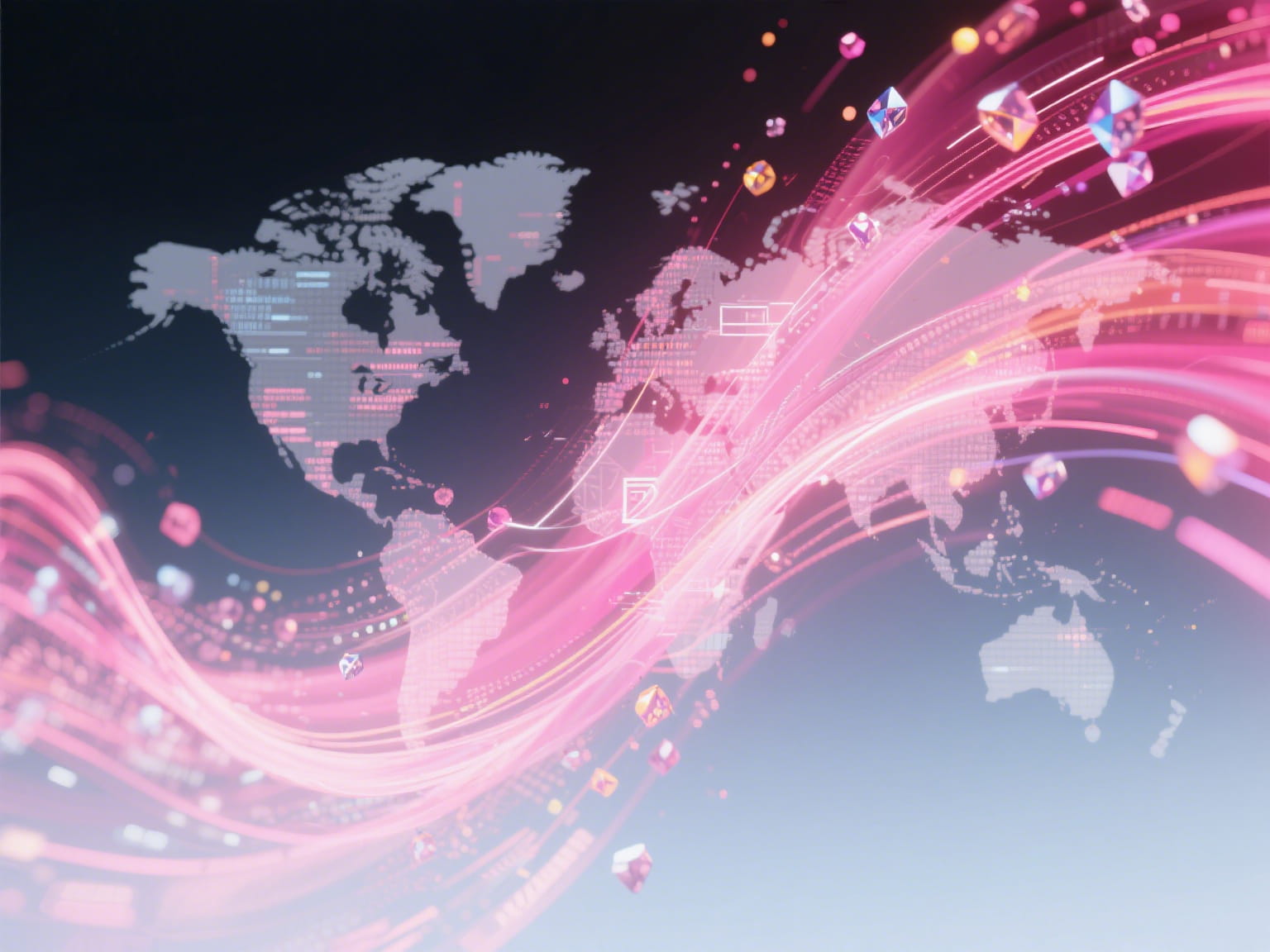
In today's interconnected world, the allure of reaching international audiences is undeniable. However, the landscape of global marketing has evolved, and traditional hard advertising strategies are no longer sufficient. The need for an upgrade path, like Going Global 2.0, is more critical than ever. Let's delve into why this transformation is essential and how it can revolutionize overseas media advertising.
Once the backbone of international marketing, hard advertising relied heavily on direct messaging and aggressive sales pitches. It was a straightforward approach that often resulted in a one-way conversation with the audience. But as consumer behavior shifted towards a more informed and discerning market, the effectiveness of this approach waned.
Enter digital media, which has reshaped the advertising landscape. With its ability to engage audiences through interactive content and personalized experiences, digital media has become a preferred channel for advertisers seeking to connect with international consumers. This shift has prompted many companies to consider an upgrade path like Going Global 2.0.
Going Global 2.0 is not just about adopting new technologies; it's about embracing a holistic approach to global marketing that integrates various strategies and channels. This includes leveraging data analytics for better targeting, employing content marketing to build brand stories, and utilizing social media to foster community engagement.
Consider the case of 41caijing, Your Global Communications Partner for Impactful PR! Founded over a decade ago in the PR industry, 41caijing has built an international communications network spanning 199+ countries and regions with over 200,000 media resources at its disposal. Their expertise lies in researching overseas market environments and localized communication practices.
For instance, when a Chinese tech company wanted to enter the European market, 41caijing conducted thorough market research to understand cultural nuances and consumer preferences. They then crafted a tailored communication strategy that included both traditional media outreach and digital engagement through social platforms popular in Europe.
One of the cornerstones of Going Global 2.0 is data-driven decision making. By analyzing consumer behavior patterns and market trends, companies can refine their advertising strategies to ensure maximum impact. According to recent studies by Nielsen, brands that use data analytics effectively see a 15% increase in revenue growth.
Content marketing plays a pivotal role in Going Global 2.0 by providing valuable information that resonates with international audiences. For example, a luxury fashion brand might create engaging videos showcasing their craftsmanship and sustainability efforts rather than focusing solely on product features.
Social media platforms have become powerful tools for building communities across borders. By leveraging these platforms effectively, brands can create authentic connections with consumers worldwide. A recent survey by Statista revealed that over 3 billion people use social media globally, presenting an immense opportunity for brands looking to expand internationally.
In conclusion, Going Global 2.0 represents a necessary upgrade path for hard advertising in overseas media. By embracing data-driven strategies, content marketing, and social media engagement, brands can overcome cultural barriers and achieve sustainable growth on the global stage.
As we look towards the future of global marketing, it's clear that those who adapt to this new era will be well-positioned to succeed in an increasingly competitive international marketplace. With partners like 41caijing leading the way in innovative PR solutions, brands have the tools they need to navigate this complex landscape successfully.







Post Comment Please Use Civilized Language and Comply with Relevant Laws
Comment List