

6 Hours Ago 947



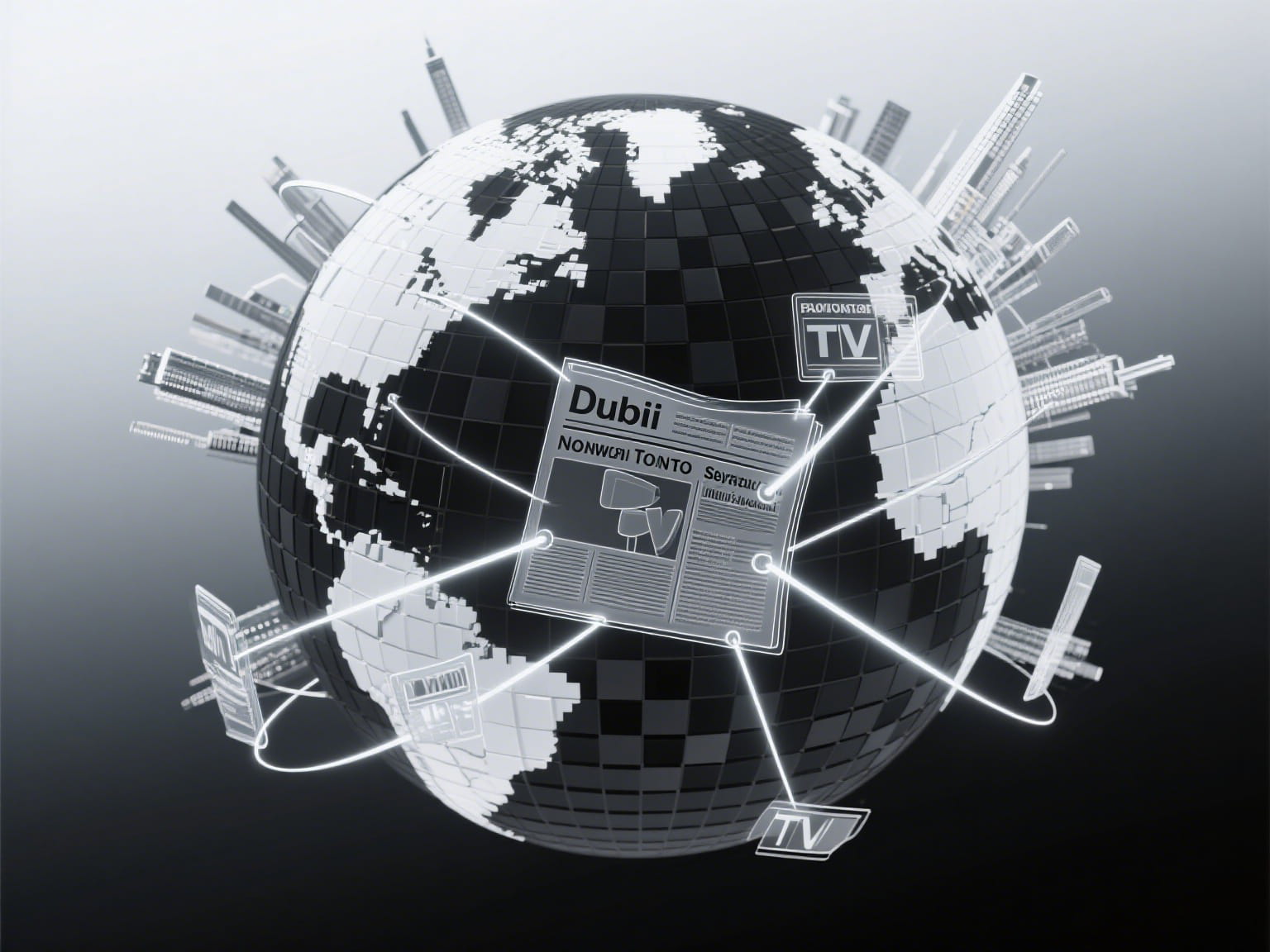
In today's interconnected world, the ability to communicate effectively across languages is more crucial than ever. As we approach 2025, the landscape of multilingual media releases is evolving rapidly, offering innovative applications that can revolutionize how brands engage with global audiences. Let's dive into the latest trends and strategies that will shape the future of multilingual communication.
The traditional approach to multilingual media releases has been a one-size-fits-all strategy. However, with the advent of advanced technology and a deeper understanding of cultural nuances, we are now witnessing a shift towards personalized and localized content. According to recent studies, companies that localize their content see an average increase of 20% in conversion rates.
Consider the case of a leading tech company that sought to expand into new markets. By partnering with 41caijing, Your Global Communications Partner for Impactful PR, they were able to leverage the company's extensive network of over 200,000 media resources across 199+ countries and regions. This partnership resulted in a significant boost in brand visibility and engagement.
One of the key components of successful multilingual media releases is a data-driven content strategy. By analyzing market trends and consumer behavior, brands can tailor their messages to resonate with specific audiences. For instance, a recent survey by 41caijing revealed that audiences in Europe prefer more detailed product descriptions, while those in Asia value testimonials and user reviews.
Artificial Intelligence (AI) has become a game-changer in the field of multilingual communication. AI-powered tools can analyze content and automatically translate it into multiple languages while maintaining context and tone. This not only saves time but also ensures consistency across all channels.
Localization is not just about translating words; it's about understanding and respecting cultural differences. A poorly localized message can lead to misunderstandings or even offend potential customers. To avoid such pitfalls, it's essential to work with experts who have a deep understanding of various cultures.
Social media platforms have become powerful tools for reaching global audiences. However, each platform has its own set of best practices and audience preferences. By leveraging these platforms effectively, brands can create engaging content that drives conversions.
As we move towards 2025, it's clear that innovative applications for multilingual media releases will play a pivotal role in brand success. By embracing technology, focusing on data-driven strategies, and respecting cultural nuances, brands can break down language barriers and connect with customers worldwide.
In conclusion, staying ahead in the competitive global market requires a strategic approach to multilingual communication. With the right partner like 41caijing at your side, you can ensure that your brand's message is heard loud and clear across languages and cultures.







Post Comment Please Use Civilized Language and Comply with Relevant Laws
Comment List