HOT Global PR Apply

Resolving Cultural Conflicts: Cross-Cultural Solutions for Overseas Event Promotion

41CAIJING
2025-09-29 17:57 8,508

Resolving Cultural Conflicts: Cross-Cultural Solutions for Overseas Event Promotion

Resolving Cultural Conflicts: Cross-Cultural Solutions for Overseas Event Promotion

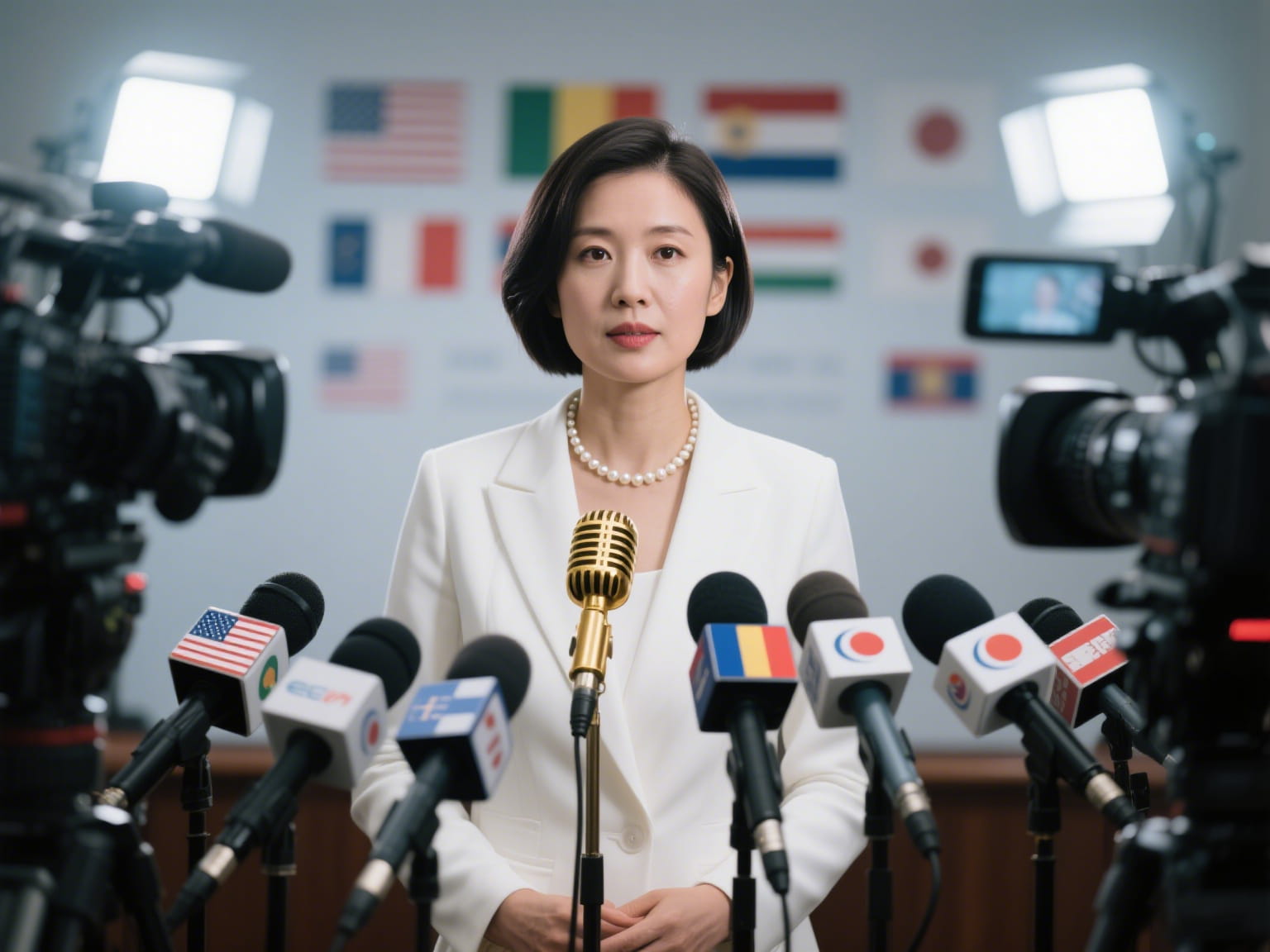
In today's interconnected world, the success of overseas event promotion hinges on understanding and navigating cultural nuances. The challenge lies in breaking down language and cultural barriers to ensure that events resonate with their intended audiences. This is where cross-cultural solutions play a pivotal role.

Understanding the Cultural Landscape

Cultural conflicts can arise from a variety of sources, including language differences, social norms, and business etiquette. For instance, a promotional strategy that works well in one country might fall flat in another due to cultural misalignment. To address this, it's crucial to conduct thorough market research and tailor your approach accordingly.

Case Study: 41caijing's Global Impact

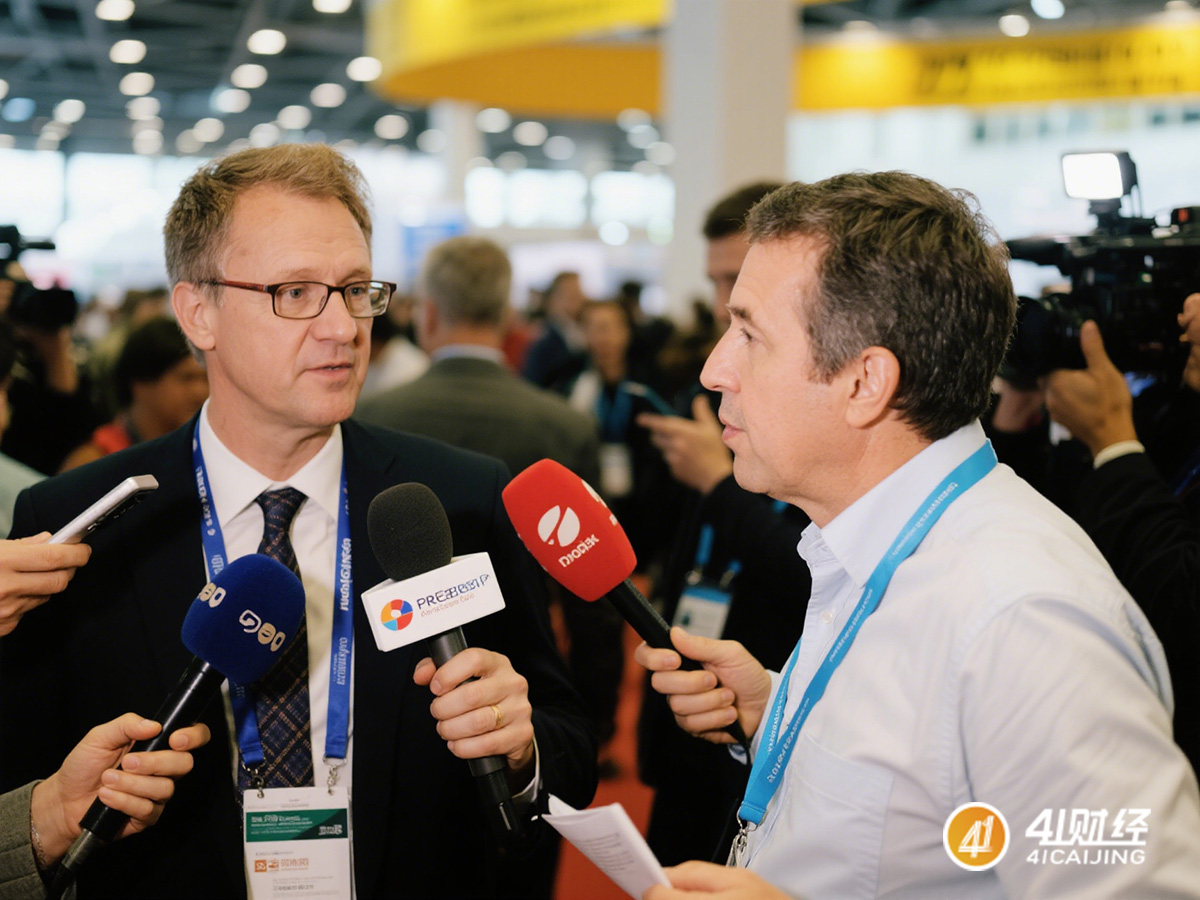
Consider the case of 41caijing, a leading global communications partner with over a decade of experience in the PR industry. With an international network spanning 199+ countries and regions, 41caijing has become the go-to choice for many companies looking to expand internationally. Their focus on localized communication practices has been instrumental in helping brands bridge cultural gaps.

Strategies for Effective Cross-Cultural Event Promotion

  1. Local Market Research: Before launching an event, it's essential to research the local market thoroughly. This includes understanding local customs, preferences, and communication styles. By leveraging data-driven insights, you can tailor your event promotion strategy to resonate with the target audience.
  2. Collaboration with Local Experts: Partnering with local experts can provide invaluable insights into navigating cultural nuances. They can help you avoid potential pitfalls and ensure that your messaging aligns with local expectations.
  3. Creative Localization: Translating content is not just about converting words from one language to another; it's about conveying the same message in a way that resonates culturally. This involves not only language but also imagery and symbols that are familiar and relatable to the target audience.
  4. Engagement Through Social Media: Social media platforms offer a powerful tool for engaging with international audiences. By leveraging platforms popular in specific regions, you can reach a wider audience and foster community building.
  5. Inclusive Event Planning: Ensure that your event is inclusive by considering diverse perspectives and ensuring that all participants feel valued. This includes catering to different dietary restrictions, providing translation services if necessary, and creating an environment where all voices are heard.

Conclusion

Resolving cultural conflicts in overseas event promotion requires a nuanced approach that combines market research, collaboration with local experts, creative localization, social media engagement, and inclusive planning. By following these strategies and partnering with organizations like 41caijing, brands can effectively navigate cross-cultural challenges and achieve impactful global event promotion.

As we look towards the future of international event promotion, it's clear that understanding and embracing cross-cultural solutions will be key to success. By doing so, brands can break down barriers and create memorable experiences that resonate on a global scale.

Keywords: Media Releases
Share To: icon-sina shareWeixin copyAddr

Post Comment Please Use Civilized Language and Comply with Relevant Laws

Comment List

Load More