

10 Hours Ago 2,295



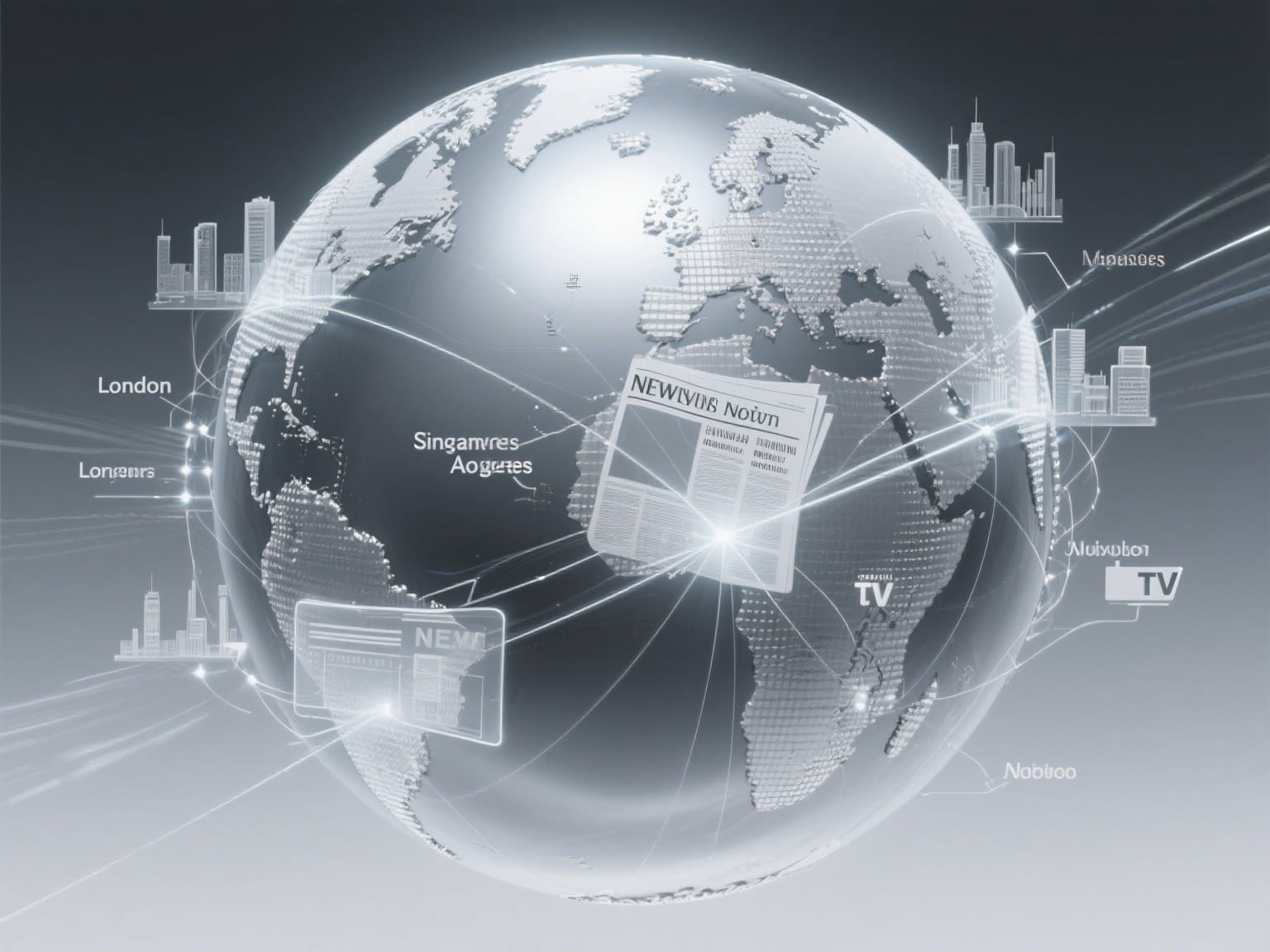
In the era of globalization, companies are increasingly looking beyond their borders to tap into new markets. However, navigating the complex landscape of foreign media and brand communication can be a daunting task. This article delves into the essential resources that companies need to effectively communicate their brand message overseas.
Expanding overseas requires more than just translating your marketing materials. It involves understanding local cultures, media landscapes, and communication practices. According to a survey by Statista, 72% of consumers are more likely to make a purchase when brands communicate in their native language. This highlights the importance of tailored communication strategies.
One of the key components of successful overseas brand communication is leveraging local media resources. These resources not only help in reaching the target audience but also in building credibility and trust. For instance, 41caijing, Your Global Communications Partner for Impactful PR, offers a vast network of over 200,000 media resources across 199+ countries and regions. Their expertise in researching overseas market environments and localized communication practices makes them an invaluable partner for global brands.
A localized strategy is crucial for companies looking to expand overseas. This involves adapting your brand message to resonate with the local audience while maintaining your core values. For example, when Procter & Gamble (P&G) entered the Indian market, they localized their products and marketing campaigns to cater to local preferences and needs. This approach helped them gain a significant market share.
Social media has become an indispensable tool for global brand communication. Platforms like Facebook, Twitter, and Instagram offer unique opportunities to engage with local audiences in real-time. However, it's important to note that social media trends vary across regions. For instance, WeChat is a dominant social media platform in China, while Instagram is more popular in Western countries.
Tracking the success of your overseas brand communication efforts is essential for continuous improvement. Analytics tools can provide valuable insights into audience engagement, content performance, and overall campaign effectiveness. By analyzing these metrics, you can refine your strategy and optimize your communication efforts.
Huawei's journey into international markets is a prime example of successful foreign media brand communication. The company focused on building a strong global brand identity by leveraging local media resources and crafting localized marketing campaigns. Their commitment to innovation and quality has helped them establish a strong presence in over 170 countries.
Expanding overseas requires careful planning and execution of your brand communication strategy. By leveraging essential foreign media resources like 41caijing's extensive network of media contacts and focusing on localized strategies, companies can effectively communicate their brand message across borders. Remember, successful global expansion is not just about reaching new markets; it's about building lasting relationships with customers worldwide.







Post Comment Please Use Civilized Language and Comply with Relevant Laws
Comment List