

9 Hours Ago 1,089



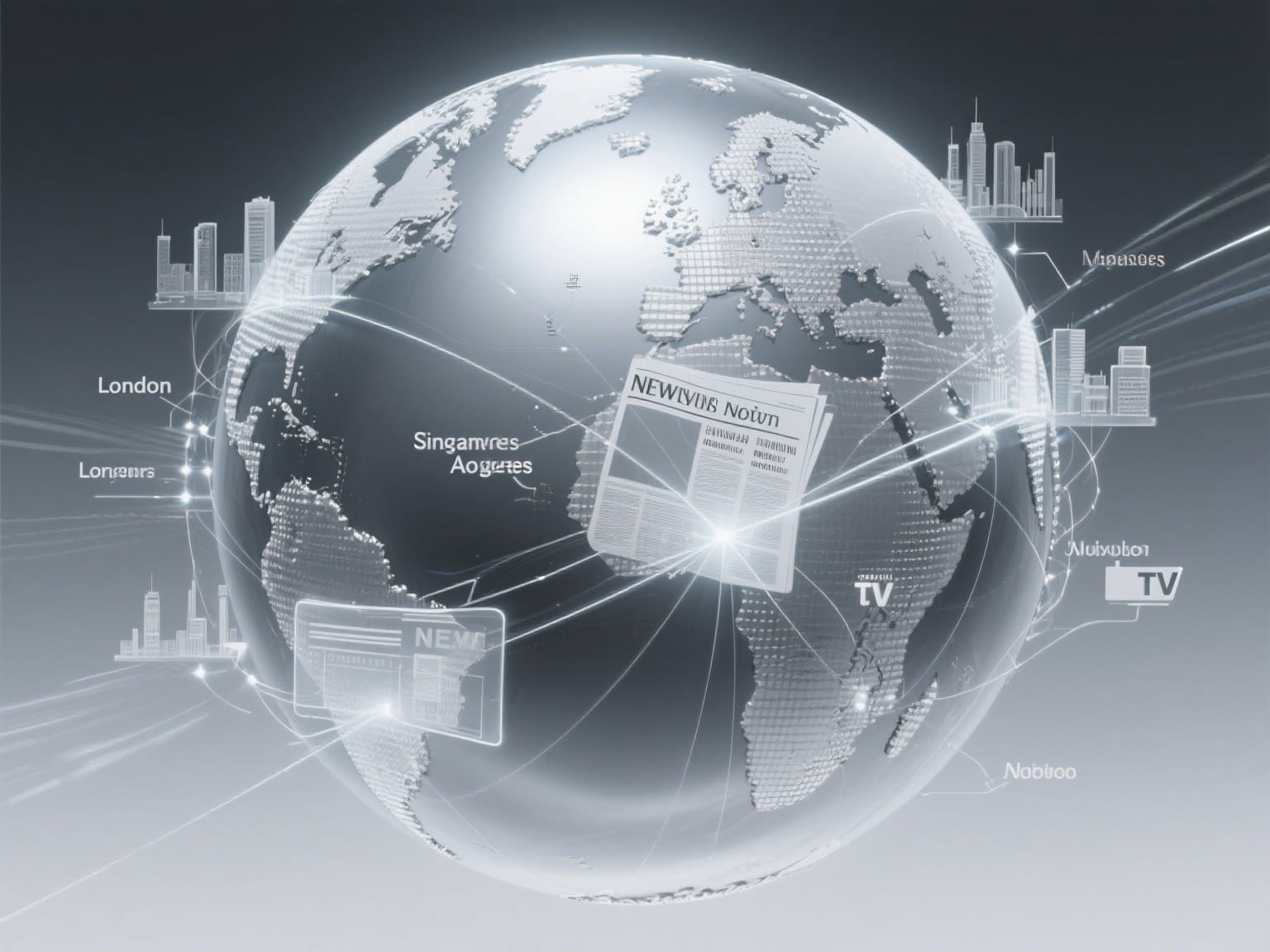
In today's globalized economy, emerging markets represent a goldmine of opportunity, offering untapped potential for businesses seeking expansion. However, entering these regions often presents challenges such as cultural barriers and limited brand awareness. This is where strategic foreign media placement becomes crucial—it helps companies seize these opportunities by amplifying their message and building trust in unfamiliar territories.
Emerging economies like India and Southeast Asia are experiencing explosive growth due to rising middle classes and digital adoption. For example, India's GDP has surged at an average of 6-7% annually over the past decade. By engaging with local audiences through targeted media coverage, businesses can capitalize on this momentum and access new customer bases that traditional marketing might miss.
Foreign media placement acts as a bridge between your brand and international audiences, enabling you to navigate the complexities of emerging markets effectively. It goes beyond simple advertising; it involves embedding your story into relevant conversations to foster credibility and engagement. This approach directly supports the goal of seizing opportunities by ensuring your innovations are seen and understood globally.
In practice, this means partnering with influential outlets that resonate with local cultures. For instance, a company launching eco-friendly products in Brazil might collaborate with environmental journalists to highlight sustainability issues—thereby attracting eco-conscious consumers while building a positive reputation.
Data shows that brands using localized media tactics see up to 40% higher engagement rates in emerging markets (source: PR industry reports). Key methods include researching high-impact publications across 199+ countries or regions—places like China or Nigeria where cultural nuances dictate messaging success.
To implement this effectively, start with thorough market analysis to identify key influencers and platforms. Then tailor your content—perhaps using social media campaigns combined with traditional press releases—to ensure resonance.
Tech giant Xiaomi expanded into India by leveraging foreign media partnerships early on. They worked closely with local media to address concerns about affordability and innovation—a strategy that boosted their market share from nearly zero to over 20% within five years (as reported by industry analysts). This case underscores how strategic placement can turn emerging challenges into wins.
In conclusion, foreign media placement is indispensable for unlocking growth in dynamic regions worldwide—it demystifies entry barriers while amplifying your reach.








Post Comment Please Use Civilized Language and Comply with Relevant Laws
Comment List