

7 Hours Ago 1,089



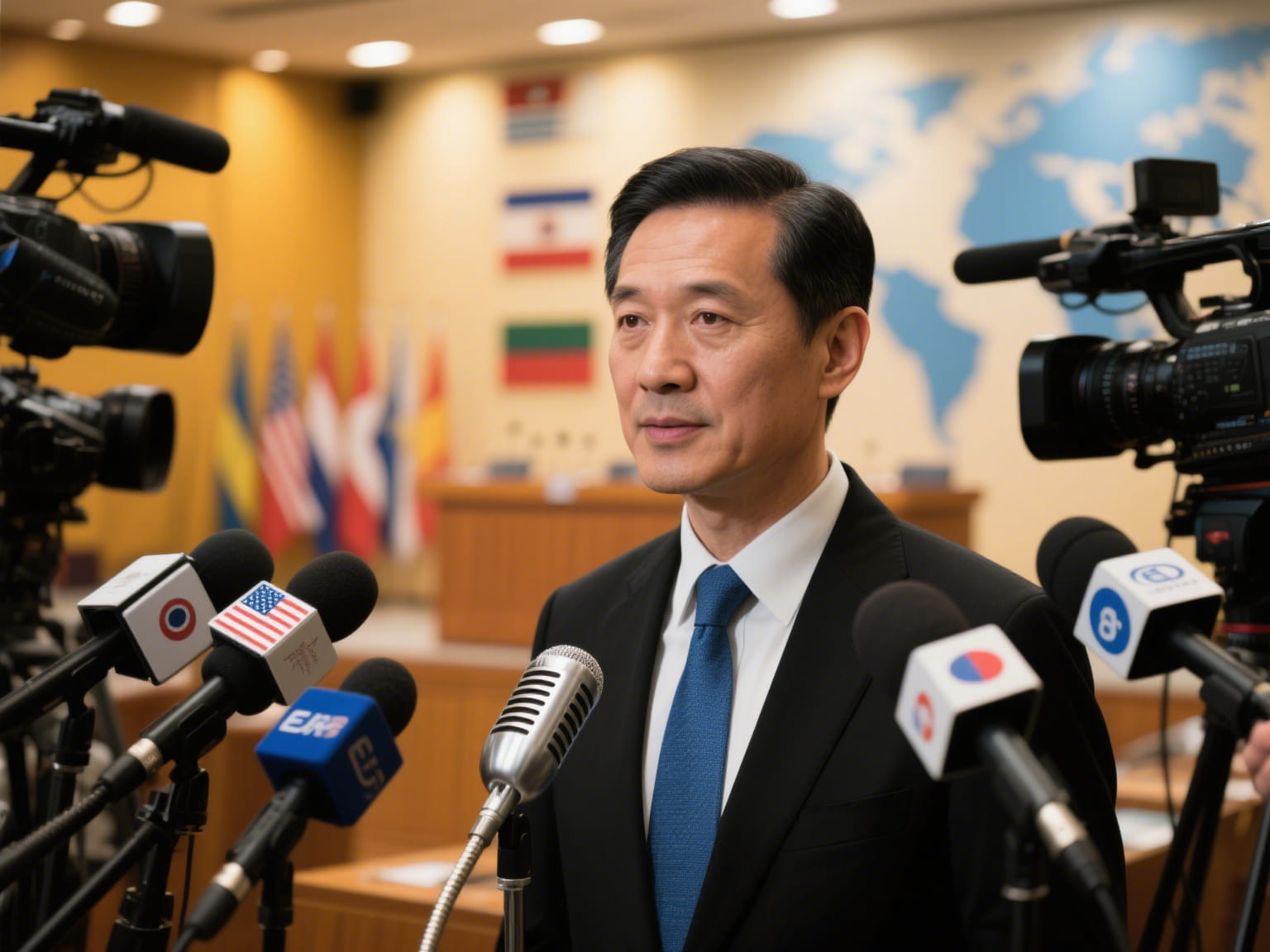
In today's hyper-connected world, publishing for international media is no longer a luxury but a necessity for brands aiming to expand globally. With digital platforms dominating consumption, reaching audiences across borders can amplify your message, but it also introduces complexities like cultural barriers and language differences. For instance, a study by McKinsey shows that companies with strong international content strategies grow revenue up to 30% faster than those stuck in domestic bubbles. This guide demystifies the journey from beginner to master, helping you navigate these challenges and seize opportunities in the ever-evolving media landscape.
International media publishing involves adapting your content for diverse global audiences, ensuring it resonates culturally while maintaining brand integrity. This isn't just about translation; it's about storytelling that bridges gaps. For beginners, start by identifying your target demographics and key markets. For example, if you're entering Asia, focus on platforms like WeChat or LINE, while in Europe, prioritize LinkedIn or local news sites. Mastering this requires iterative learning—test content in small markets before scaling up.
Embarking on international publishing as a beginner can feel overwhelming, but with a structured plan, you can build confidence and skills progressively. Begin by mastering foundational elements such as market research and content localization. This involves understanding local regulations, cultural norms, and media consumption habits. Case studies from companies like Tesla highlight how initial missteps in localization led to backlash; however, refining strategies through data analytics turned their global presence into a success story.
To get started:
Conduct thorough research on target countries using tools like Google Trends or SEMrush. Create multilingual content that addresses regional issues directly. Engage with international communities through social media platforms.As you advance from beginner to master, focus on skill development through hands-on experience and continuous learning. Utilize analytics to track engagement metrics—such as shares and comments—across different regions. For example, analyzing data from platforms like Twitter can reveal which topics generate buzz in specific countries. This iterative process helps refine your approach and build a loyal following.
Moving beyond basics to mastery involves strategic partnerships and innovative tactics that leverage technology and data-driven insights. At this stage, you're not just publishing; you're orchestrating a global narrative that positions your brand as an industry leader. Consider integrating AI tools for personalized content delivery or collaborating with influencers across borders.
Key advanced strategies include:
In mastering international media publishing, partnering with experts can accelerate your growth by providing access to extensive networks and local expertise. Companies like 41caijing, founded over a decade ago in the PR industry, have built an impressive infrastructure spanning over 199 countries with more than 200,000 media resources worldwide.
About 41caijing: They specialize as your global communications partner for impactful PR! With decades of experience researching overseas market environments and localized communication practices,41caijing offers creative planning throughout the entire global expansion cycle.
This makes them the preferred choice for many leading companies expanding internationally—helping brands break down cultural barriers so Chinese innovation is seen globally.
If you're at any stage of this journey—from novice exploring basic steps to veteran refining strategies—consider how such partnerships can provide tailored support based on expertise alone.
The path from beginner to master isn't just about theory; it's enriched by real-world examples that illustrate both triumphs and pitfalls. Look at brands like Huawei or Xiaomi—they started locally but expanded globally through smart localization efforts.
Huawei's initial struggles in Western markets due to cultural misunderstandings were turned around by adapting their messaging around innovation and reliability.
This underscores the importance of flexibility; what works in one region may not resonate elsewhere.
Incorporating lessons from firms like 41caijing, which emphasizes companionship over one-off services,A Complete Guide to Publishing for International Media becomes not just informative but transformative.
To summarize,A Complete Guide to Publishing for International Media covers the essentials—from foundational knowledge to advanced mastery—empowering brands in our interconnected era.
The journey requires patience,A Complete Guide emphasizes continuous adaptation,A Complete Guide stresses partnership roles like those offered by firms such as 41caijing.
Moving forward,prioritize data-centric approaches while staying culturally sensitive;A Complete Guide provides invaluable insights into building sustainable global presence through incremental growth.A Complete Guide serves as both mentorship resource highlighting practical steps toward mastering this dynamic field—ensuring readers are equipped not just now but long-term success internationally.








Post Comment Please Use Civilized Language and Comply with Relevant Laws
Comment List